Recording in a reverberant hall
If room echo or background noise makes speech harder to understand, microphone placement is an important part of your choice. Shure explains that direct speech cannot simply be separated from reflected sound.


For making lots of short language-learning recordings, an easy-to-use voice recorder with straightforward file transfer and precise playback is a sensible starting point. If the volume or microphone position often needs adjusting, a handheld recorder with extra recording options may suit your workflow better. However, the recording format alone won’t solve echo: Shure explains that a microphone cannot reliably separate direct speech from reflected sound. So make a short test recording from the spot you plan to use, then listen back to it.
If room echo or background noise makes speech harder to understand, microphone placement is an important part of your choice. Shure explains that direct speech cannot simply be separated from reflected sound.
If you’re recording lots of short passages, features that help you find, repeat and transfer files can make your workflow easier. For the ICD-PX470, Sony lists features including track marks, A/B repeat and a USB connection.
If you sometimes speak quietly and sometimes with more emphasis, it’s worth comparing a simple voice recorder with a handheld recorder and its extra recording options. For the DR-05XP, Tascam lists features including 32-bit float recording and an external microphone input.
First, check that the recorder can save short files easily and play them back selectively. Then consider microphone placement and the features you’ll actually use.
| What matters | What to check when buying | Who is this important to? |
|---|---|---|
| Speech clarity in a reverberant space | Make a short test recording from the spot you plan to use; check the microphone position and, if available, selectable pickup patterns. | If I’m recording in a reverberant community hall, I want to be able to understand my voice clearly from the intended spot. Around 36% of consumers put speech clarity first. |
| Organising lots of short files | Check the file format, USB transfer, file naming and storage requirements for the exact model. | When I’m making lots of flashcards, I want to find and transfer recordings quickly. Around 29% of consumers prioritise a smooth flashcard workflow. |
| Listening back to individual sentences | Check whether you can mark passages, repeat them or play them back more slowly. | If I want to check and repeat short speech sections, precise playback is important. Around 21% of consumers prioritise this. |
| Adjusting the recording setup | Compare recording formats and microphone inputs; factor the memory card and power supply into your workflow. | If I speak at different volumes or want to change the microphone setup, I’m looking for more flexibility when recording. Around 14% of consumers prioritise this flexibility. |
A recording format or filter feature doesn’t guarantee that your voice will be clear in a particular hall. Recording features alone cannot reliably separate direct speech from reflections in the room.
Make a short test recording from your planned spot and listen back to it before recording lots of flashcards.
The Zoom H1essential cannot record or play back without a microSD card inserted. Other models may have internal storage; requirements and what’s included vary.
Check the storage requirements and what’s included with the specific model before using it.
Recording time and battery life depend on the model and settings. Sony lists different recording times for the ICD-PX470 depending on whether you use MP3 or LPCM; Philips gives its maximum battery life for a specific MP3 setting.
Only compare figures for the file format and settings you actually plan to use.
The ICD-PX470 is a voice recorder option for short recordings, with internal storage and features for precise playback.
The DVT4110 may be worth considering if MP3 or WAV recordings and internal storage suit your planned workflow.
The H1essential and H2essential are handheld options if a microphone input or selectable recording patterns are important to you.
The DR-05XP is a handheld recorder with built-in microphones and the option to connect an external microphone.
The LS-P5 combines internal storage with adjustable directional options for different recording positions.
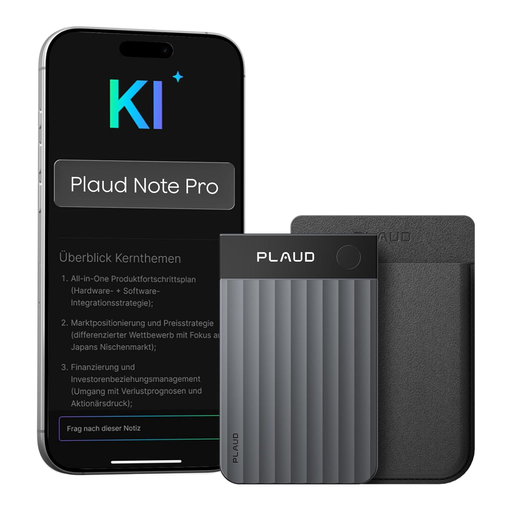
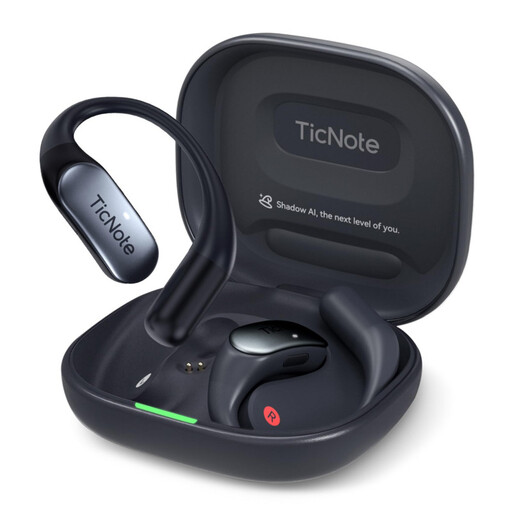
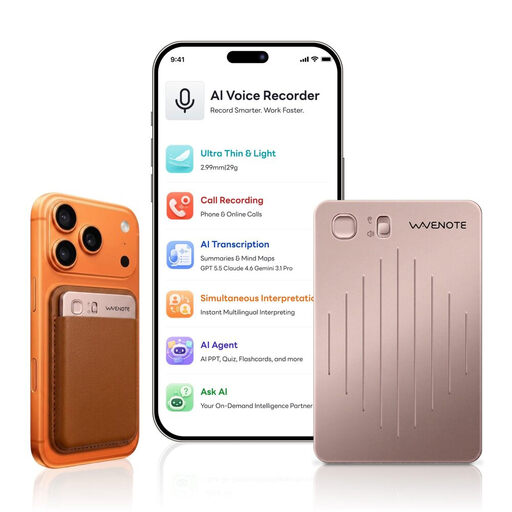
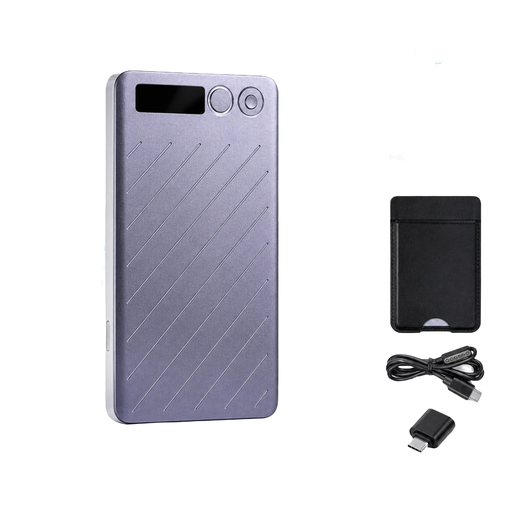
This Joybuy selection includes voice recorders for short recordings and digital post-processing.
 No image available
For short voice recordings followed by digital post-processing; the product details list 64 GB of storage, four MEMS microphones, AI transcription and summaries.
 No image available
For recordings you plan to process digitally; the product details list 32 GB of storage, two microphones, 4G cloud upload and automatic transcription. Before using it, check that cloud features suit the way you handle recordings.
 No image available
For language-learning flashcards if WAV recordings and digital post-processing suit your workflow; the product details list 64 GB of storage, USB-C, WAV recording, AI transcription and summaries. Check that the format is compatible with the learning system you plan to use.
 No image available
For voice recordings followed by digital processing; the product description lists 64 GB of storage, several microphones, local and cloud storage, transcription and summaries. Check that the features on offer and the way you plan to handle recordings suit your workflow.
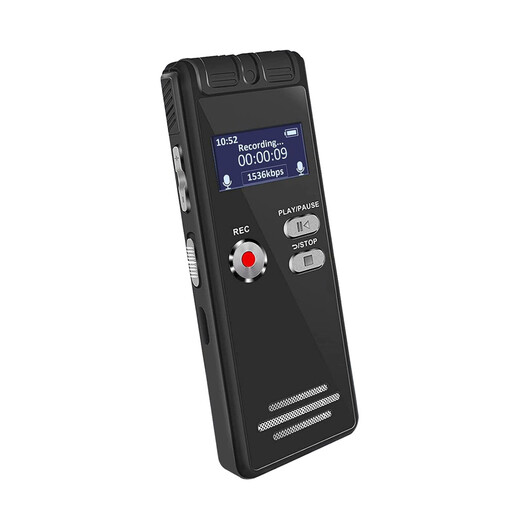 No image available
For short recordings with playback on the device and transfer to a computer; the product details list an included 16 GB TF card, two omnidirectional microphones and one-button recording.
Record a short sentence from the spot you plan to use, then listen back to it. If echo makes the words hard to hear, first adjust the distance and position of the microphone. Shure points out that a microphone cannot simply separate direct speech from reflected sound.
Not necessarily. If you’re mainly recording short files and listening back to them repeatedly, ease of use and playback features may matter more. 32-bit float is a recording option for varying levels, but it won’t solve the problem of room echo.
Check the storage requirements, power supply and what’s included for the specific model. The Zoom H1essential requires a microSD card to be inserted for recording and playback; according to Sony, the ICD-PX470 has internal storage and runs on two AAA batteries.
Under § 201 of the German Criminal Code (StGB), recording another person’s words spoken in private without authorisation may be a criminal offence; unauthorised sharing of such a recording is also covered. Whether a particular setting is public or private cannot be determined solely from the term “community hall”. Before recording other people’s voices, check that you’re authorised to do so. Processing personal data also requires an appropriate legal basis under Article 6(1) of the GDPR, as explained by the Federal Commissioner for Data Protection and Freedom of Information.