Solo newsreader
If you regularly record news items in the same spot, you can start with a compact recorder with built-in microphones. The key is whether you can position the device suitably there and listen back to your voice recording afterwards.


For a single newsreader, a compact recorder with built-in microphones is enough if you can position it suitably at your regular speaking spot and listen back to the recording there. A recorder with XLR inputs makes sense if you want to position a separate, compatible microphone independently; extra tracks and controls are most useful when you have guests or recorded clips. More bit depth won’t make up for poor microphone positioning or fix room echo.
If you regularly record news items in the same spot, you can start with a compact recorder with built-in microphones. The key is whether you can position the device suitably there and listen back to your voice recording afterwards.
If you want to position a separate microphone independently of the recorder, check the microphone connection and the power supply required. Tascam lists XLR/TRS combo inputs with phantom power on the DR-40XP; Zoom lists two XLR/TRS inputs on the H4essential.
If you’ll be recording sources in addition to your own voice, separate inputs, tracks or controls may be useful. Zoom lists four XLR inputs on the PodTrak P4next; RØDE describes the RØDECaster Duo as having faders and multitrack recording.
A good fit if: you record short pieces on your own in a quiet, regular spot and can position the device there for a test listen.
The trade-off: The microphone position is fixed in relation to the recorder; distance and room reflections can affect the recording.
A good fit if: you want to set up a separate presenter’s microphone or connect another source.
The trade-off: The microphone, cable, compatible input and, where necessary, phantom power must all work together.
A good fit if: you want to control guests, recorded clips or several sources while recording, and possibly record them separately.
The trade-off: Extra channels and controls mean more setup, especially if you’re only recording one voice.
For voice recordings, microphone positioning and room reflections matter just as much as the device setup. Shure Germany identifies both as factors in home recording.
| Buying criterion | What to check before buying | Who is this important to? |
|---|---|---|
| Clear voice at the recording spot | Can you position the recorder suitably and listen back to a test recording at your usual speaking volume? | If I record on my own in a regular spot, I want my voice to come through clearly. Around 36% of consumers put clear solo speech first. |
| Separate presenter’s microphone | Are the microphone connection and power supply compatible with the input on the exact recorder model? | If I want to position the microphone independently of the recorder, the connection needs to work with my microphone. Around 29% of consumers prioritise a separate microphone. |
| File and recording workflow | Are the recording format, storage medium, monitoring options and transfer method compatible with your computer? | If I want to record and share short pieces regularly, an uncomplicated workflow matters to me. Around 21% of consumers put this first. |
| Several separate sources | Are there enough inputs, tracks and headphone outputs for all the sources you need at the same time? | If I have guests or recorded clips, I want to connect the sources appropriately and record them separately if needed. Around 14% of consumers prioritise multiple sources. |
Recording format and the acoustic conditions at your speaking spot are two different things. Changing the recording settings won’t alter the microphone position or the reflections in the room.
Start by considering the setup and listening back to a test recording in the actual room. Then assess recording formats in light of your editing workflow.
An input on its own doesn’t give you a complete presenter’s microphone setup. The microphone, cable and, where necessary, phantom power must be compatible with the specific combination.
Check the microphone connection, the power supply required and what’s included with the exact product listing.
Depending on your setup, you may also need to buy a microphone, cable and suitable storage medium.
Testberichte.de included the DR-40XP and Portacapture X8 in its “Test 06/2026” best-of list. Tascam Europe marks both models as discontinued on their respective download pages, while the DR-40XP is still featured on its product page.
Assess the specific listing based on its condition, what’s included and the available service, rather than assuming that an earlier place on a list means it’s still being made or is currently available.
Zoom lists the H1essential for recording with built-in microphones and the H4essential with two XLR/TRS inputs. The PodTrak P4next is designed for setups with several microphones.
Tascam lists built-in stereo microphones on the DR-05XP and, in addition, XLR/TRS inputs with phantom power on the DR-40XP.
OM SYSTEM describes the LS-P5 as having built-in microphones, internal memory and adjustable microphone directivity.
RØDE describes the RØDECaster Duo as a production device with faders and multitrack recording to microSD, USB storage or a computer.
The following Joybuy listings are for compact voice recorders with built-in microphones, designed for recording individual pieces of speech.
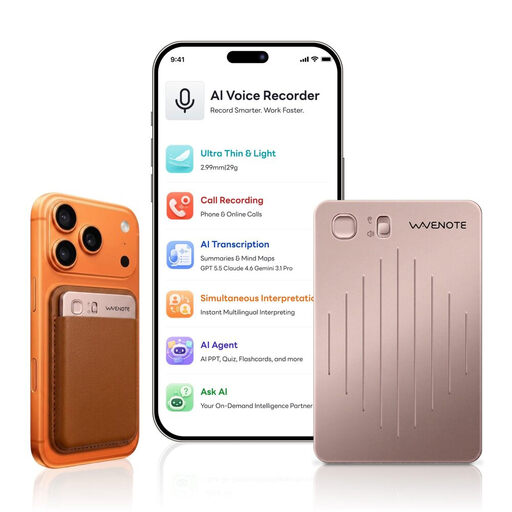 No image available
Positioned as an option for voice recordings without a separate microphone; check that the app and file management suit your recording workflow.
64 GB storage; built-in microphones according to the product description.
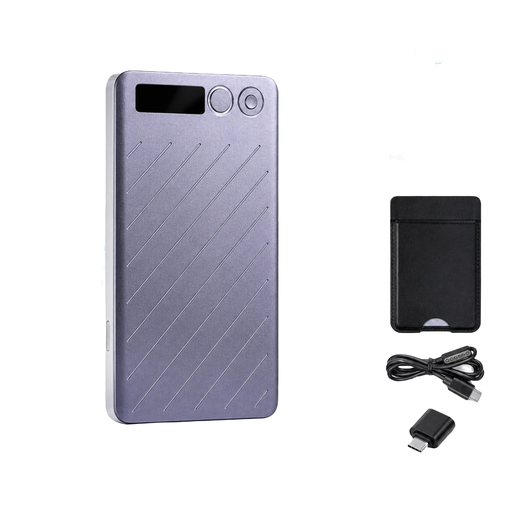 No image available
Positioned for recording individual pieces of speech and transcribing them afterwards; check that the function supports your preferred language and editing workflow.
64 GB storage; built-in microphones and transcription function according to the product details.
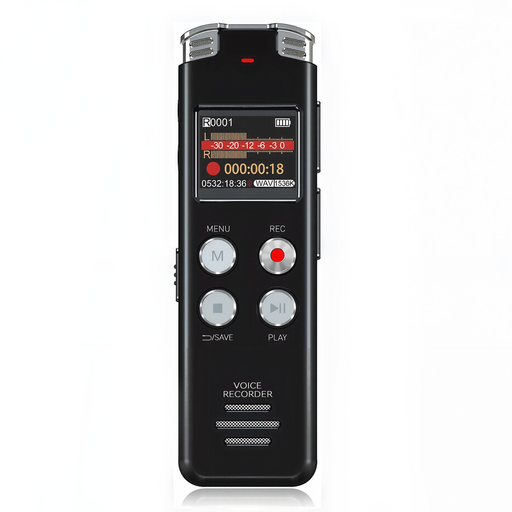 No image available
Positioned as a portable voice recorder for individual pieces; before buying, check that the connections and file transfer suit your recording workflow.
128 GB storage and LCD screen according to the product title.
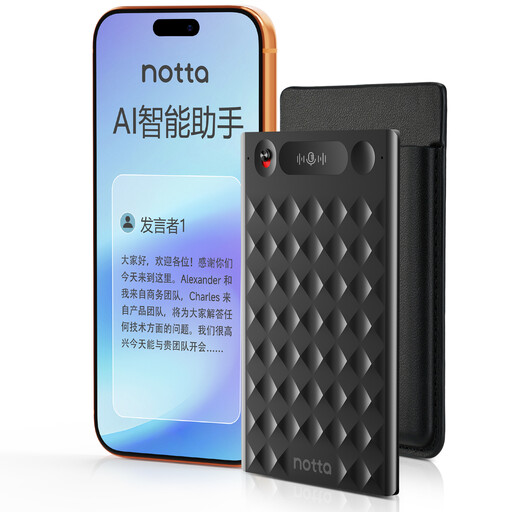 No image available
Positioned for voice recordings followed by transcription; check in advance that the listed features and languages suit your workflow.
32 GB storage, one-button recording, real-time transcription and protective case according to the product title. The stated battery life is 30 hours.
No. Built-in microphones may be enough for a single voice if the setup works in your room. XLR inputs are useful if you want to connect a compatible separate microphone or other sources.
Set up the recorder or connected microphone at your intended speaking spot, record a typical passage and listen back. Shure Germany identifies room reflections and microphone positioning as factors in home recording.
Check whether your setup needs a separate microphone, cable or storage medium. In the event of a defect, § 437 BGB sets out buyers’ rights subject to the conditions specified there; § 439 BGB deals in particular with subsequent performance. These statutory rights are separate from a voluntary manufacturer’s warranty.
Not without more: § 201 StGB makes it a criminal offence to record another person’s non-public speech without authorisation. If your piece is to include other people’s voices, make sure you have permission before recording.
Making a copyrighted work available on demand involves the right of making it available to the public under § 19a UrhG. For any third-party material you use, check that you have the necessary rights or that a relevant exception applies; owning a recorder doesn’t give you permission to use it.