For guided meditation in an untreated room, positioning the microphone close by and keeping it steady matters more than any particular recording feature. A recorder with built-in microphones is better suited to a fixed speaking position, while a clip-on microphone is a better choice if you’ll be moving around. External inputs are useful if you plan to expand your set-up later. None of these options will eliminate room echo, so listen back to a test recording made at your intended recording position and check the distance, background noise and ease of use.
Which type of recorder suits you?
Speaking alone from a fixed position
If you’ll be speaking while seated and can place the recorder close to you where it won’t be knocked or moved, a handheld recorder with built-in microphones could be a good option. Shure explains that a microphone cannot simply separate direct sound from reflected speech, so its position in the room remains important.
Moving around while speaking
If you change position as you guide the meditation, a microphone worn close to your body can help keep the distance from your voice more consistent. Tascam describes the DR-10L Pro as a portable recorder with a clip-on microphone. Before making a longer recording, check whether your clothing or the way the microphone is attached creates any noticeable noise.
Planning to expand your set-up
If you’d like to use an external vocal microphone or record several separate sources later on, check that the recorder has the right inputs and tracks. Zoom lists two XLR/TRS inputs for the H4essential, while Tascam describes the Portacapture X8 as a multitrack recorder with applications for voice.
What to look for when buying
| What you need |
What to check before buying |
Who this matters most to |
| Clear speech despite room echo |
Position the recorder or microphone close by; listen to a test recording made at the intended position through headphones. |
If I’m speaking in a room with a lot of echo, I want to capture my voice as directly as possible and avoid unwanted noise when setting up. Around 36% of consumers put clear speech despite room echo first. |
| Reliable long recordings |
Prepare the storage medium, power supply and recording mode for the specific model, then listen back to a test recording. |
Before starting a longer meditation, I want to make sure recording and playback work as they should. Around 29% of consumers prioritise a long recording that’s easy to start and monitor. |
| Consistent sound when moving |
Test the clip-on microphone with the clothing you’ll actually wear and check that the connections are compatible. |
If I move around while speaking, I want to keep the microphone at a consistent distance without my clothing rubbing against it. Around 21% of consumers focus mainly on being able to move freely while recording. |
| External microphones and expansion |
Check the number and type of inputs you need. If you’re using compatible microphones, also check whether phantom power is required. |
If I want to use an external microphone or record additional sources later, I need the right connections without carrying around equipment I won’t use. Around 14% of consumers prioritise expandability. |
Avoid common buying mistakes
-
Confusing 32-bit float with a solution for room echo
A recording format can make it easier to manage changes in recording level, but it won’t change the reflections in a room. The microphone’s distance and direction still affect how your voice sounds.
Make a test recording from your intended speaking position and listen to it through headphones before recording the full meditation.
If your voice still sounds echoey even at the right level, you may need to record it again or do some additional editing.
-
Holding a handheld recorder throughout the recording
Moving your hand while holding the recorder can create handling noise. In its test of the Zoom H1essential, Bonedo noted significant handling noise.
Set the recorder down securely and test the controls before recording.
Depending on where you place it, you may also need a suitable stand or mount.
-
Planning for the recorder but not the set-up you need
Models differ in whether the microphone is built in, included in the box or needs to be connected separately. The right set-up depends on where your voice will be during the recording.
First decide where you want the microphone to be, then check the connections and what comes with the specific model.
Depending on your set-up, you may need a storage medium, a stand or mount, a compatible external microphone or a cable.
A closer look at key brands
Zoom
The models mentioned here range from the H1essential, with XY microphones and a mini-jack input, to the H2essential, with selectable recording patterns, and the H4essential, with two XLR/TRS inputs.
- According to Zoom, the H1essential has a 3.5 mm microphone/line input that can be used to connect a compatible lavalier microphone.
- Bonedo noted significant handling noise and a lack of included accessories with the H1essential. These comments apply to this model, not every recorder from the brand.
Tascam
The DR-05XP is a handheld recorder, the DR-10L Pro comes with a clip-on microphone, and the Portacapture X8 is a multitrack recorder for recording several sources.
- Tascam Europe describes the DR-05XP’s built-in microphones as omnidirectional and lists an external microphone input.
- The microphone’s pick-up pattern is no substitute for positioning it close by in a room with a lot of echo. These features apply to the individual models listed.
OM SYSTEM
The LS-P5 is a compact recorder whose microphone directionality can be adjusted, according to the manufacturer.
- OM SYSTEM lists 16 GB of internal storage for the LS-P5, which may be useful if you’re planning to record without a memory card.
- A more directional pick-up pattern doesn’t mean room echo will disappear; the microphone should still be positioned to suit the speaking set-up.
Sony
The PCM-A10 is a compact voice and Linear PCM recorder with a manually adjustable recording level and an external microphone input.
- Sony lists 16 GB of internal storage and a built-in battery for the PCM-A10.
- Published recording times vary by format. On their own, they don’t show how well the built-in microphones will work in a particular untreated room.
Xvive
The XV1-R is a handheld recorder with XY microphones, 32-bit float WAV and a 3.5 mm microphone/line input.
- Xvive lists voice recording presets and says this model can run on AA batteries or USB power.
- Built-in effects are no substitute for positioning the microphone correctly. The features listed apply to the XV1-R, not the entire brand.
Joybuy products for voice recording
This selection includes digital voice recorders for recording speech, including compact and portable models. Even with a recorder that has several built-in microphones, positioning the microphone as close as possible remains important if you want to limit room echo.
 No image available
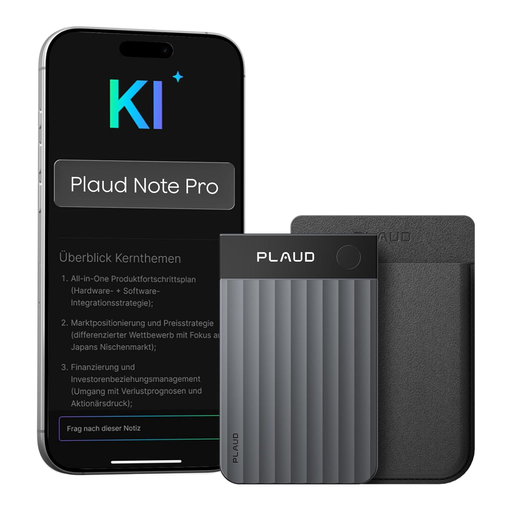
PLAUD Note Pro Voice Recorder, 64 GB
With its built-in microphones, this voice recorder could suit recordings made from a fixed speaking position, but it’s no substitute for positioning the microphone close by.
It’s listed as having four MEMS microphones and 64 GB of storage. Continuous recording time is stated as up to 30 hours.
Joybuy
 No image available
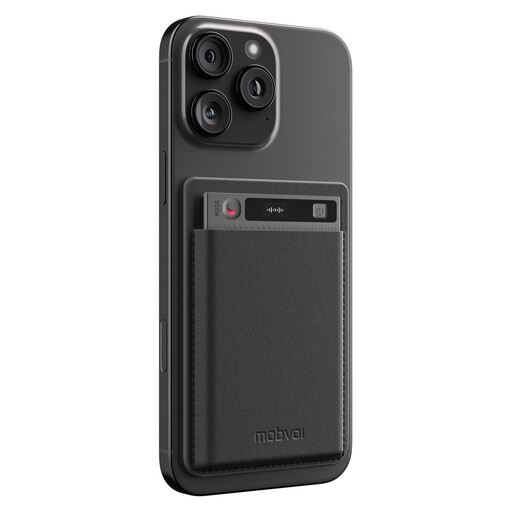
Mobvoi TicNote Lite AI Voice Recorder, 4 GB
The triple-microphone system is listed as suitable for voice recording. Make a test recording to check how your voice sounds from your chosen position.
The description lists 4 GB of storage and up to 30 hours of battery life. It explicitly states that there’s no headphone socket.
Joybuy
 No image available
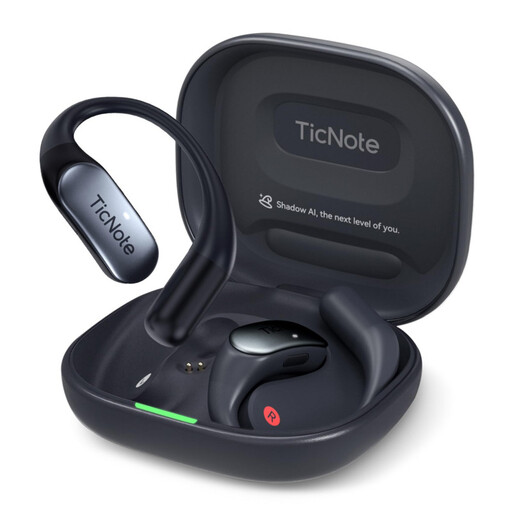
Mobvoi TicNote Pods 4G AI Voice Recorder, 32 GB, Navy Blue
This standalone recording device could be a good option if you want to start recording at the touch of a button once it’s set up.
Specifications list 32 GB of storage, a dual-microphone array and 4G connectivity. Battery life is stated as 5 hours.
Joybuy
 No image available
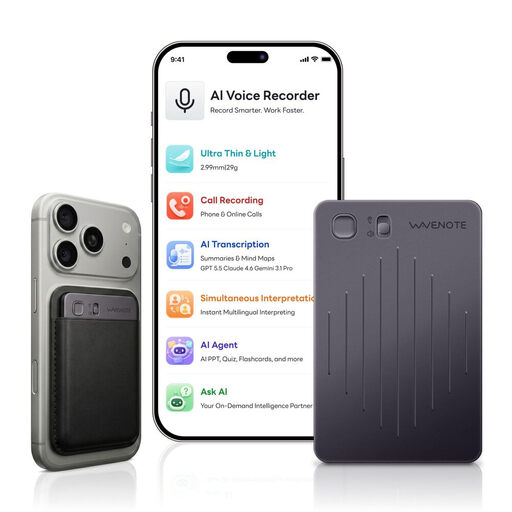
WaveNote AI Voice Recorder, 64 GB, Black Grey
This model is described as a voice recorder with a dual-sensor microphone. Even in a room with a lot of echo, it’s important to choose the microphone’s position carefully.
Specifications include 64 GB of storage and WAV recording. Continuous recording time is stated as up to 42 hours.
Joybuy
 No image available
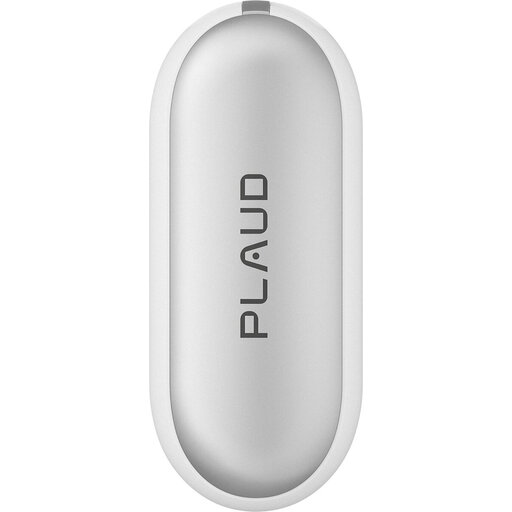
PLAUD NotePin S Wearable AI Voice Recorder, 64 GB, Silver
This wearable voice recorder has several wearing options, so it could suit you if you move around while speaking. Test how it attaches to check for any noise from your clothing.
Specifications include two microphones, 64 GB of internal storage and WAV recording. Recording time is stated as up to 20 hours.
Joybuy
Frequently asked questions
Can 32-bit float reduce room echo?
No. On compatible devices, 32-bit float can make it easier to manage changes in recording levels, but it won’t eliminate room echo. Listen to a test recording made from the intended microphone position.
How should I prepare for a longer meditation recording?
Prepare the power supply and storage medium to suit the specific model, then listen to a test recording through headphones if there’s a headphone socket. Zoom recommends formatting new microSD cards, or cards previously used in another device, in the H1essential recorder.
What extra equipment might I need?
It depends on where you position the microphone and what connections you need. A stand or mount may be useful for a handheld recorder placed in a fixed position; a recorder with external microphone inputs may also need a microphone, cable and stand or mount. In its test of the H1essential, Bonedo noted that accessories weren’t included.
Can I record other people in Germany without their knowledge?
Section 201 of the German Criminal Code (StGB) makes it a criminal offence to record another person’s private spoken words without authorisation. If anyone else will be speaking during your meditation, check that you’re authorised to record them first. This is different from recording your own voice.
Can I add someone else’s music to a meditation I publish?
Not simply because you made the voice recording yourself. Under Section 15 of the German Copyright Act (UrhG), the author generally has the exclusive right to make their work available to the public. Whether you can use a particular piece of music depends on the rights granted to you.


