Readers who stay in one spot
If you usually read your poems from the same spot, you can set up a handheld recorder securely at a suitable distance. A test recording will help you assess the distance and sound in your booth.


If you usually read from the same spot, a recorder with built-in microphones, set up securely, may be all you need. The key is to make a test recording from the place where you plan to speak and listen back to it. If you move around while reading, consider a recorder with a clip-on microphone. A model with XLR/TRS inputs is mainly useful if you want to connect a compatible external microphone. 32-bit float does not replace good microphone placement or checks for room sound and background noise.
If you usually read your poems from the same spot, you can set up a handheld recorder securely at a suitable distance. A test recording will help you assess the distance and sound in your booth.
If you change position or posture while reading, a clip-on microphone can help keep a consistent distance from your voice. Check the clip, cable routing and any rustling from clothing during a test recording.
If you want to connect a microphone you already own or plan to buy, the recorder input, microphone and, where applicable, cable all need to be compatible. Built-in microphones alone do not provide these connections.
First, decide whether you’ll stay in one spot or move around while reading. Then choose the right microphone setup and make a test recording to check that the storage, connections and controls suit your workflow.
| Priority | What to check before buying | Who is this important to? |
|---|---|---|
| Clear voice | Microphone distance and a stable setup; listen to a test recording made from your planned speaking position. | If I’m reading from one spot, I want my voice to stay clear and not be drowned out by the sound of the booth. Around 40% of consumers are likely to have this as their main priority. |
| Quiet and emphatic passages | Check the recording mode and playback options; test the quietest and loudest lines you plan to read. | If my reading shifts between quiet lines and emphatic delivery, I want to be able to check both. Around 30% of consumers prioritise this dynamic range. |
| Simple recording workflow | Check the storage, power supply, recording format and file transfer in advance. | If I want to read without interruption and share the file afterwards, having everything ready matters to me. Around 20% of consumers put this priority first. |
| Separate microphone | Check the input type and compatibility of the microphone and cable, as well as any power it requires. | If I want to use a separate microphone for speech, the connection needs to suit my specific setup. Around 10% of consumers prioritise this option to expand their setup. |
A recording format cannot fix poor microphone placement in a small booth. A microphone placed too far away can pick up the voice, reflections and background noise in different proportions from a well-positioned one.
First, decide where you’ll speak and where the microphone can go. Then record a test take with quiet and emphatic lines and listen back to it.
Bonedo’s independent test of the Zoom H1essential found noticeable handling noise. This finding relates to the specific model tested.
If you’re using the Zoom H1essential and want to keep your hands free to read, plan to set it up securely.
In its test of the Zoom H1essential, Bonedo found that neither storage media nor a connection cable was included. So check what you’ll need for your specific recording setup.
Compare what comes with your chosen model against the items you’ll need for your first take and to transfer the file.
With the tested H1essential, you may need to budget separately for storage media or accessories to position the recorder.
The inputs on the Zoom H4essential give you connection options, but they don’t make up a complete microphone setup for speech on their own.
Choose this connection route if you actually plan to use an external microphone, and check the microphone, cable and any required power together.
Depending on your planned setup, you may also need a compatible microphone and cable.
The models and features below can help you explore different recording options. The information relates to the product ranges mentioned and is not a blanket assessment of the brands.
The models mentioned include handheld recorders with built-in microphones, a recorder with a lavalier microphone and devices with XLR/TRS inputs.
The DR-05XP is a handheld recorder with built-in microphones, a 32-bit float mode, a stereo mini-jack input and a USB-C audio interface.
The PCM-A10 is a compact Linear PCM recorder with 16 GB of internal storage and the option to use a microSD card.
The following Joybuy products are standalone voice recorders. For a poetry reading in a small booth, focus on microphone placement, recording format and your workflow, and check everything with a test take.
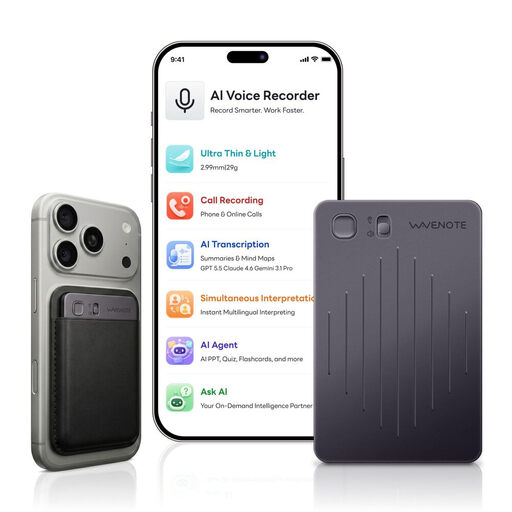 No image available
You could consider it as a standalone voice recorder for a fixed reading spot; check the microphone position with a test recording.
Features listed include 64 GB of storage, WAV recording, USB-C and a switch to start recording.
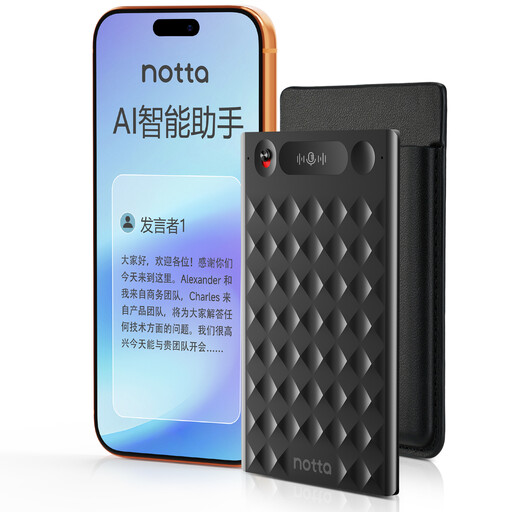 No image available
If you’re looking for a standalone recorder with internal storage, test it in the room you plan to use before a longer reading.
Features listed include 32 GB of storage, a 4-microphone array mode and one-button recording.
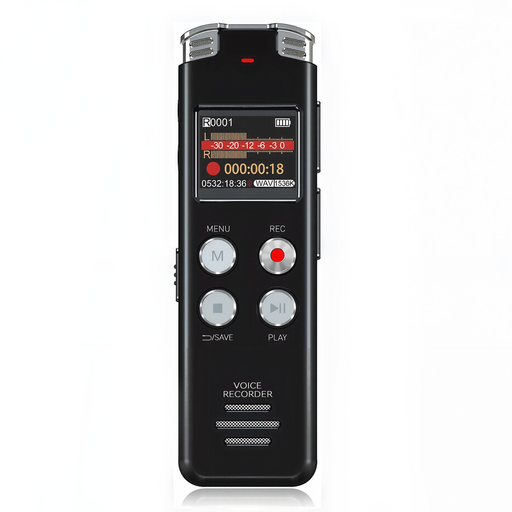 No image available
This portable voice recorder could suit a fixed reading spot, provided its built-in microphone works with your setup.
Features listed include a dynamic microphone, WAV and MP3 recording, and REC/STOP controls.
Set up the recorder or microphone securely, then test quiet and emphatic lines from the exact spot where you’ll speak. Listen back to judge whether the voice, room sound and background noise work for you.
No, a test recording is still important. According to the manufacturer, the mode can make it easier to manage recording levels, but it does not confirm that the microphone is well positioned or that the booth sounds right. Test particularly quiet and emphatic passages.
Check that you have storage media suitable for the specific model, a power supply and the recording format you want to use. Sony lists different maximum recording times for the PCM-A10 depending on whether you select PCM or MP3.
This depends, among other things, on the rights to the text in question. The German Patent and Trade Mark Office lists poems as works that may be protected by copyright; section 19a of the UrhG covers making works available to the public. If a poem belongs to someone else and is still protected, check that you have the necessary rights before publishing a reading.
Section 201 of the German Criminal Code (StGB) covers the unauthorised recording of another person’s non-public spoken words. If you plan to record other people, check in advance that you are entitled to do so; the legal position depends on the circumstances.