Creators with a soft speaking voice
For longer voiceovers, keeping the microphone close helps the voice stay clear and distinct from room echo. Shure explains that a microphone cannot reliably separate direct sound from reflections.


For softly spoken travel guide narration, placing the microphone close to the speaker matters more than choosing a particular recording format. A compact handheld recorder may suit a quiet, fixed position; a clip-on microphone can work better when you’re on the move; and external inputs are useful for a planned microphone setup. Whichever option you choose, test it at the actual recording location: turning up the recording level won’t remove room echo from the voice afterwards.
For longer voiceovers, keeping the microphone close helps the voice stay clear and distinct from room echo. Shure explains that a microphone cannot reliably separate direct sound from reflections.
If you move between speaking locations or also want to record the ambience of a place, you’ll need a setup that can be adapted to each location. Zoom describes the H1essential as offering, among other things, a tripod option for conversations and use for interviews on the go.
If you have a particular separate microphone or several sound sources in mind, make sure the connections and the complete signal path are suitable. Tascam lists XLR/TRS inputs with phantom power for the DR-40XP.
A good fit if: the narrator mostly speaks in a quiet, fixed location where the device can be placed close by and kept steady.
The trade-off: Built-in microphones also pick up the room. The Zoom H1essential also has a 3.5 mm microphone input. Check that the specific microphone you choose is compatible.
A good fit if: a single soft-spoken person is moving around, or a tabletop device can’t be positioned well. Tascam describes the DR-10L Pro as coming with a clip-on microphone.
The trade-off: Check the attachment and cable placement for rustling noise. Tascam lists the DR-10L Pro as discontinued on its download page.
A good fit if: a particular external microphone or additional separate sound sources are part of your recording plan. The Tascam DR-40XP offers XLR/TRS inputs with phantom power.
The trade-off: Extra inputs won’t improve voice recordings by themselves. The microphone, connection, power supply and placement all need to work together.
| Priority | What to check when buying | Who it matters most to |
|---|---|---|
| Clarity of a soft voice | Can the built-in microphone be placed close to the speaker and kept steady, or do you need a suitable input or a clip-on microphone? A test in the intended room will help you assess the voice and any echo. Shure points out that a microphone can’t reliably distinguish direct sound from room reflections. | If I speak softly, I want to record a clear voice despite possible room echo; around 36% of consumers prioritise speech clarity. |
| Changing recording locations | Check how the device can be positioned or attached, and whether the connections and power supply suit your planned recording process. | When recording in different locations, I want to be able to position the recorder quickly or wear it on my body; around 29% of consumers prioritise flexibility in where they record. |
| Recording speech and ambience separately | Decide whether you’ll record speech and location sounds one after the other, or whether you need separate inputs or tracks to record them at the same time. | If I want to edit location sounds independently from the voiceover, a separate recording option is important; around 21% of consumers prioritise recording ambience separately. |
| Longer voice recordings | Check recording time and power supply separately for the format you’ve chosen. For LPCM 48 kHz/24-bit, Sony lists a maximum of 13 hrs 15 mins of recording time on the PCM-A10’s internal memory and around 15 hours of battery life; these are separate limits. | For longer takes, I want to make sure storage, power and file format are all compatible in advance; around 14% of consumers prioritise a reliable process for long recordings. |
More headroom for recording levels won’t remove room echo already picked up by the microphone. A poor take may mean you have to record the voiceover again.
First, test the actual speaking location and adjust the distance or position. Listen to a short test recording before choosing extra equipment for the sake of a particular recording format.
The Tascam DR-40XP’s inputs let you connect suitable external microphones, but don’t capture a close-miked voice on their own. Depending on your planned setup, you may need an additional microphone and a way to attach it.
Before buying, decide which microphone you want to connect and how you’ll position and power it.
For LPCM 48 kHz/24-bit, Sony lists different limits for the PCM-A10’s internal memory and battery. If either limit is reached first, a longer voiceover take may be cut short.
Check both limits for your chosen format and make a complete test recording.
The H1essential’s listed features include built-in X/Y microphones, a tripod option and a 3.5 mm microphone input. The H4essential adds XLR/TRS inputs for a different microphone setup.
The DR-05XP combines built-in microphones with an input for suitable external microphones; the DR-40XP has adjustable microphones and XLR/TRS inputs. The DR-10L Pro is described as coming with a clip-on microphone.
The LS-P5 combines built-in microphones and internal memory with a selectable microphone direction. The manufacturer describes a narrower directional pattern as an option.
For the German PCM-A10.CE7 model, Sony lists built-in stereo microphones, 16 GB of internal memory, and Linear PCM and MP3 recording.
This selection includes compact voice recorders for recording speakers on the go and making longer takes.
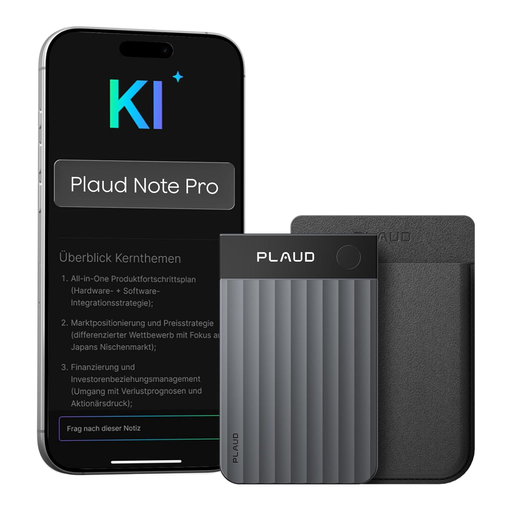 No image available
Described as a voice recorder for mobile recording; before buying, check that its listed recording features suit your workflow.
The product name lists 64 GB of storage, four MEMS microphones and 30 hours of battery life.
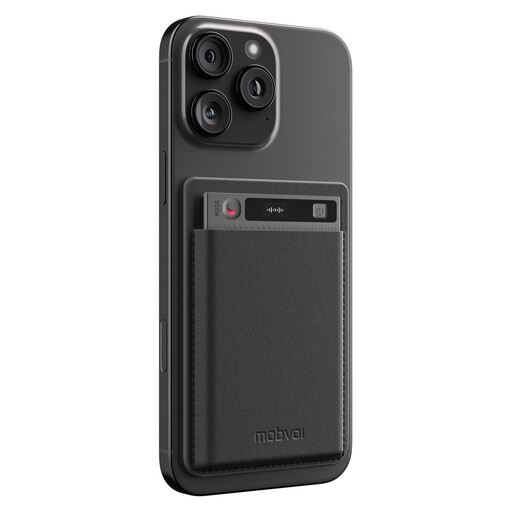 No image available
Described as a compact voice recorder; test your planned microphone position at the recording location beforehand.
The product name lists 4 GB of storage.
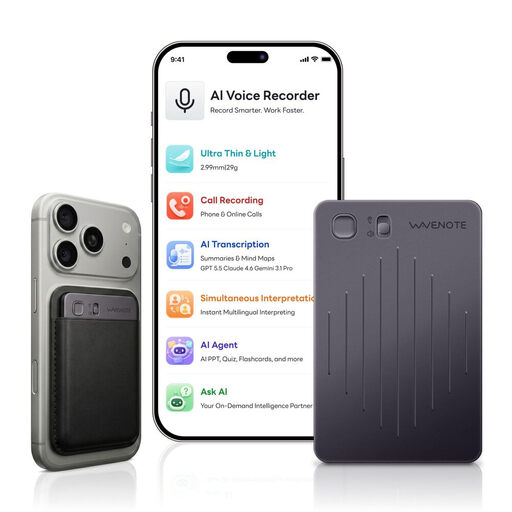 No image available
Described as a portable voice recorder; for softly spoken narration, it’s worth testing the device in the intended speaking position.
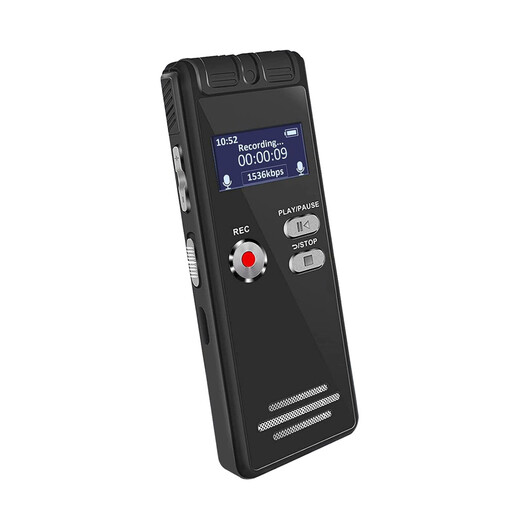 No image available
Described as a portable voice recorder; check whether you can position the built-in microphone at the intended distance from the speaker.
The product name lists 64 GB and an LCD screen.
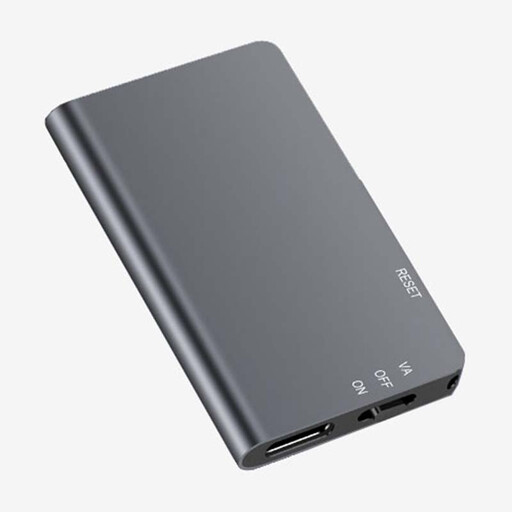 No image available
Described as a voice recorder with one-touch recording; before making longer takes, check that the format and recording process suit your subsequent editing.
The product name lists 64 GB and WAV recording.
No. The recording format can’t reliably separate direct speech from room echo that’s already been recorded. Adjust the position or recording location first, then listen to a test recording.
Position the microphone securely or attach it, choose your intended file format and listen to a short test recording through headphones. Check recording time and power supply separately for the settings you’ll use; Sony lists different limits for the PCM-A10.
Check whether your planned setup requires a separate microphone or additional storage. For consumer purchases in Germany, the statutory warranty for defects is separate from any additional guarantee; the Verbraucherzentrale states that it generally lasts for two years from delivery. This doesn’t mean you have the right to return an item simply because you’ve changed your mind.
Not in every case. § 201 StGB relates in particular to recording another person’s private spoken words without authorisation and using such a recording. The Federal Commissioner for Data Protection and Freedom of Information explains that processing personal data requires a legal basis. Whether a specific recording and its subsequent publication are permitted depends on the content and circumstances; don’t include other people’s conversations in published audio without checking first.