When you’re covering a sporting event and speaking quietly, microphone placement matters more than any particular recording format. A lavalier microphone is a good fit if you’re moving around as you report; a handheld recorder placed close to you is an option if you also want to capture the atmosphere of the game. A recorder with an external microphone input gives you more control over your setup, but you’ll need compatible connections and may need extra equipment. For outdoor recording, use a suitable windscreen and make a test recording. According to the manufacturer, 32-bit float can give you more headroom when levels vary, but it’s no substitute for good microphone placement or a windscreen.
Which recording setup is right for you?
Recording on the move
If you speak quietly and move around while reporting, keep the microphone close to your voice. Shure points out that a microphone doesn’t automatically separate the direct sound you want from unwanted reverberation. A lavalier microphone can stay with the person speaking as they move.
Outdoor reporting in windy conditions
At the side of the pitch, you’ll need to balance wind and background noise against your quiet voice. RØDE describes wind as a source of interference in outdoor recordings, so check that you have a suitable windscreen and position the microphone carefully.
Commentary and the atmosphere of the game
If you want to record clear commentary as well as the sounds of the game, your setup matters. Built-in stereo microphones and external microphone inputs give you different ways to record. For example, Tascam describes the DR-40XP as having adjustable stereo microphones and XLR/TRS inputs.
What should you look for when buying?
Lavalier recorder
A good fit if: you’re moving around while reporting and your quiet voice is the priority. The Zoom F2 is an example of this type of recorder, with a lavalier microphone.
Things to consider: Check the fit, contact with clothing and wind protection on location. If you want to capture a broader sense of the game, a second recording setup may be useful.
Handheld recorder
A good fit if: you can bring the recorder close to the person speaking and, when needed, point it towards the atmosphere of the sports ground. The Zoom H1essential and OM SYSTEM LS-P5 are examples of models with built-in microphones and different features.
Things to consider: If the recorder is too far from a quiet voice, it will also pick up more background noise. Make sure the windscreen and mount are suitable for your model.
Recorder with an external microphone input
A good fit if: you want to use an external microphone in a suitable position or have more control over recording commentary and other sound sources. The Zoom H1 XLR and Tascam DR-40XP offer different input and microphone configurations.
Things to consider: The microphone, cable, power supply and windscreen must be compatible with the input you’re using, and you may need extra equipment.
The right choice depends on what matters most for your report. The proportions below offer a rough guide to the priorities in this type of situation.
| Priority |
What to check when buying |
Who this matters most to |
| Quiet voice |
Whether you can position the microphone close to the person speaking and keep it steady; for an external microphone, also check the connector type and power requirements. |
If I speak quietly and move around while reporting, I want the microphone to stay close to me. Around 36 % of consumers name this as their main priority. |
| Wind and sounds of the game |
Whether a suitable windscreen is available and you can choose the microphone’s direction to balance voice and background sound. |
When reporting outdoors, I want to reduce wind noise without losing the atmosphere of the game. Around 29 % of consumers have this as their main priority. |
| Changing volume levels |
Recording format, monitoring options and how much work will be needed when editing later. |
If a cheer suddenly follows quiet commentary, I need some headroom for changing levels. Around 21 % of consumers say this is their most important consideration. |
| Recording on the move |
Power supply and storage, as well as whether you can operate the recorder safely while recording. |
When recording on the move, I want to be able to check the recording, power supply and storage easily beforehand. Around 14 % of consumers name this as their main priority. |
Avoid common buying mistakes
-
Don’t mistake 32-bit float for a fix for having the microphone too far away
A recording format can’t make up for the distance between the microphone and a quiet voice. Shure explains that the direct sound you want isn’t automatically separated from unwanted reverberation.
First, plan to position the microphone close to the speaker, then check the distance with a test recording.
A suitable external microphone, mount or lavalier recorder may mean buying extra equipment.
-
Don’t forget a suitable windscreen for outdoor reporting
Wind hitting the microphone capsule can create distracting noise. RØDE highlights the effect wind can have on outdoor recordings.
Check that the windscreen fits the microphone you’ll actually use and test how well it works at your recording location.
A windscreen compatible with your model may require extra equipment and preparation.
-
Check the serial number notice for the Tascam DR-40XP
According to Tascam, some devices with serial numbers from 2630001 to 2642004 may have issues with battery life or retaining the date and time. Not every device in this range will necessarily be affected.
Check the serial number of the specific device and, if it may be affected, ask about the inspection process described by Tascam.
Brands to consider
Zoom
The Zoom models mentioned here offer different approaches: the F2 uses a lavalier microphone, the H1essential has built-in microphones, and the H1 XLR is designed for external microphones.
- Zoom lists a lavalier microphone with a windscreen and microphone clip for the F2. According to Zoom, the H1 XLR has XLR/TRS combo inputs.
- Manufacturer specifications aren’t a comparative real-world test. 32-bit float is no substitute for positioning the microphone close to the speaker or using a suitable windscreen. With the H1 XLR, the microphone and input must be compatible.
Tascam
Tascam describes the DR-40XP as having adjustable built-in stereo microphones and XLR/TRS inputs, giving you options for recording commentary alongside ambient sound.
- According to Tascam, the combination of built-in microphones and external inputs allows for different microphone setups.
- According to Tascam, some devices with serial numbers from 2630001 to 2642004 may have issues with battery life and the date/time. Tascam describes an inspection and, if needed, a free repair.
OM SYSTEM
According to OM SYSTEM, the LS-P5 is aimed at buyers looking for a compact recorder with built-in microphones and selectable directivity.
- OM SYSTEM lists built-in storage and adjustable directivity for this model.
- These manufacturer specifications don’t independently confirm how clearly a quiet voice will be recorded at a sports ground. Positioning remains crucial.
Sony
The Sony PCM-A10 is a compact alternative with built-in microphones and several storage options.
- Sony lists 16 GB of internal storage, a microSD slot, a stereo microphone input and LPCM recording up to 96 kHz/24 bit.
- The battery life quoted by Sony varies by format and doesn’t, on its own, indicate how clearly speech will be captured in windy conditions. There’s no confirmed 32-bit float function for this model here.
Voice recorders at Joybuy
The Joybuy products below are portable voice or AI voice recorders. For sports reporting, pay particular attention to microphone placement, wind protection and how you plan to record with each device.
 No image available
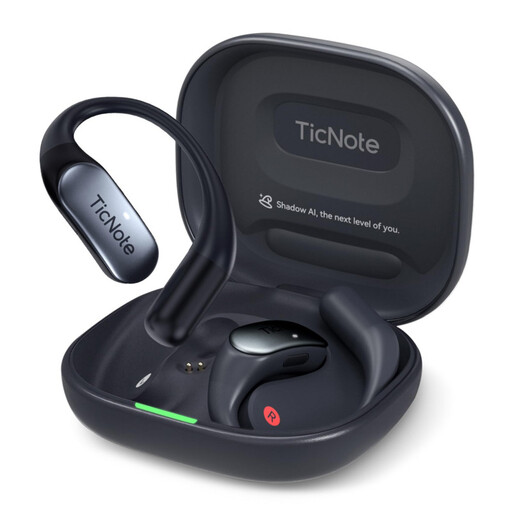
Mobvoi TicNote Pods 4G AI Voice Recorder, 32 GB, Navy Blue
This may suit mobile voice recording if you value one-button recording and standalone 4G operation after setting up the app. How well it captures a quiet voice outdoors will still depend on microphone placement.
The product specifications list 32 GB of storage, 5 hours of battery life, a dual-microphone array and ENC noise cancellation. The product name also mentions a wireless charging case.
View at Joybuy
 No image available
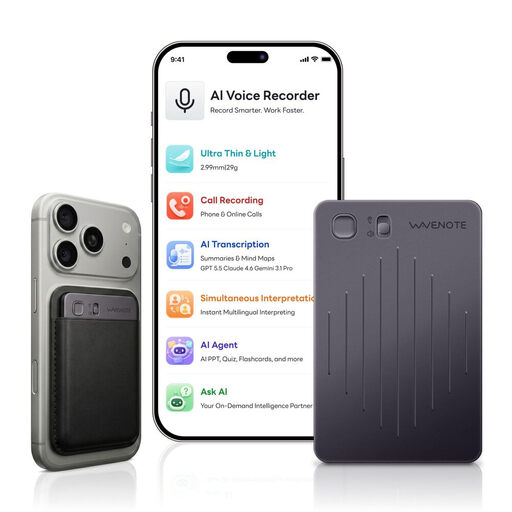
WaveNote AI Voice Recorder, 64 GB, Black Grey
This may be suitable for recording on the move, with the option to listen back to or review recordings later. If you’ll be recording a quiet voice at the side of the pitch, check the microphone’s actual position and make a test recording.
The product specifications list 64 GB of storage, WAV recording, Bluetooth 5.2 and up to 42 hours of recording time. They also describe a dual sensor for vibration and airborne sound recording, and a weight of 29 g.
View at Joybuy
 No image available
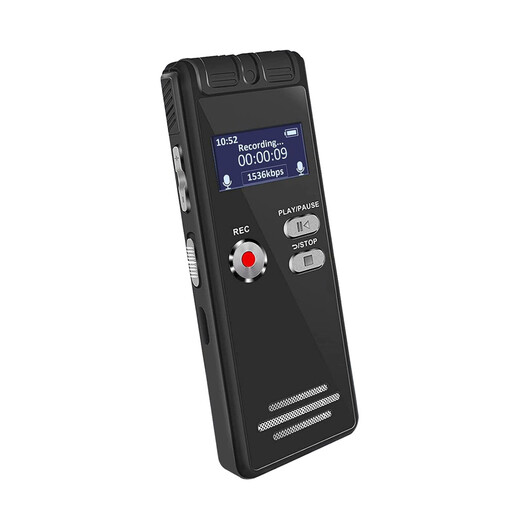
Rexsun L15 Digital Voice Recorder, 64 GB, Grey
This may suit simple voice recording on the go if one-click operation is important to you. Before using it for sports reporting, test how well it captures a quiet voice at the actual location.
The product specifications list two omnidirectional microphones, DSP/ANC noise cancellation and up to 22 hours of recording time. A 64-GB TF card is mentioned in the product description.
View at Joybuy
 No image available
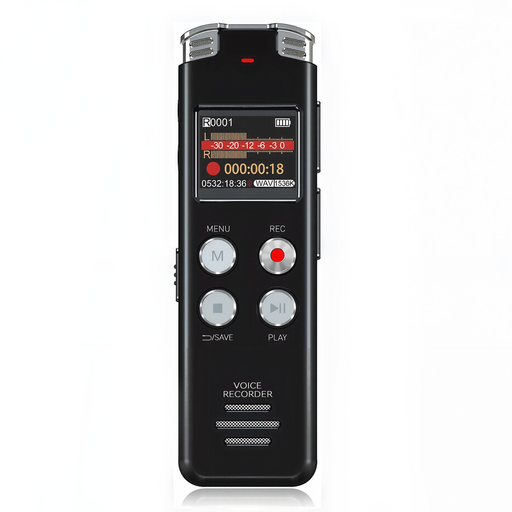
Rexsun L357 Digital Voice Recorder, 128 GB, Grey
This may be suitable for recording on the move and listening back later. Before reporting, check that the controls and microphone placement work for the way you plan to use it.
The product specifications list MP3/WAV support, AVR, A-B playback and a USB-C port for transferring files. They also describe a dynamic microphone setup with noise cancellation and one-button recording.
View at Joybuy
 No image available
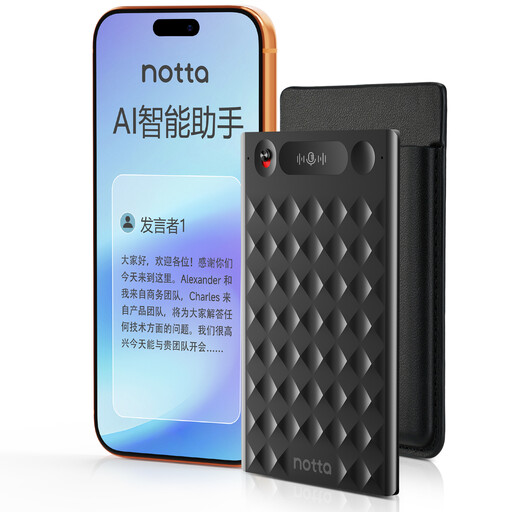
32 GB AI Voice Recorder with Case, Black
This may suit you if you want to review your recordings afterwards. To find out whether it captures a quiet voice clearly outdoors, test it at the location where you’ll be using it.
The product specifications list 32 GB of storage, a four-microphone array, real-time transcription and 30 hours of recording time. A protective case is listed as included.
View at Joybuy
Frequently asked questions
When recording a quiet voice, should I check bit depth or microphone position first?
Check the microphone position first, then listen back to a test recording. According to the manufacturer, a format with plenty of headroom can help when volumes vary, but it won’t change the acoustics at the microphone after recording.
How should I prepare my recorder for outdoor use?
Use a windscreen that fits your microphone, check the battery and storage, then make a quick test recording of speech and typical background sounds at the location. According to Zoom, the Hold switch on the Zoom F2 can prevent you from stopping the recording by accident. This feature is specific to that device.
Who should I contact in Germany if my recorder is faulty?
If you buy as a consumer, your statutory rights against the seller are separate from any voluntary guarantee. The Verbraucherzentrale generally states that consumers have a two-year warranty for defects that were already present when the goods were handed over. It also describes possible changes relating to repairs for certain purchase contracts from 31 July 2026.
Can I simply record someone else’s voice for my sports report?
Not in every case. Section 201 of the German Criminal Code (StGB) covers the unauthorised recording of another person’s privately spoken words. Make sure you have the necessary permission before recording and consider how you plan to use the recording. Whether a conversation is private, and which other rules apply to publication, personal data or the venue, depends on the circumstances. The journalistic media privilege is not blanket permission to make unauthorised audio recordings.


