Which approach is right for you?

Speakers recording in an untreated room at home

If you’re recording in a room without acoustic treatment, test the room and microphone position before choosing your equipment. Shure recommends using a recording space that is as acoustically neutral as possible, with limited sound reflections.

Speakers with their own XLR microphone

If you want to position an existing or planned speech microphone separately, the recorder’s input needs to be compatible. Zoom lists two XLR/TRS inputs for the H4essential; Tascam lists two XLR inputs for the Portacapture X6.

Solo speakers recording for long sessions

If you’re recording several chapters, plan ahead for recording time, storage and power. Sony lists 16 GB of internal storage for the PCM-A10; according to Sony, the maximum recording time depends on the format.

What should you look for when choosing?

Recorder with built-in microphones

A good fit if: You want to get started without a separate microphone and can position the recorder securely where you speak.

The trade-off: The microphone position depends on where you place the whole device; a particular recording format won’t eliminate room echo or background noise.

Recorder with XLR inputs

A good fit if: You own or plan to buy a compatible XLR speech microphone and want to position it independently of the recorder.

The trade-off: Your microphone, the right cable and, where required, its power supply all need to suit your setup.

Compact recorder with internal storage

A good fit if: A compact device with internal storage for solo recordings matters more to you than an XLR connection.

The trade-off: Check the recording time and microphone connection for the format you want; a stereo mini-jack is not an XLR input.

Buying priority What to check before buying Who it matters most to
Clear speech Record a test where you’ll be speaking and listen back on headphones; check whether you can position the device or a separate microphone securely. If I want to avoid distracting room sound, I test the recording in the actual room first. Around 33% of consumers put clear speech, with as little audible room sound as possible, first.
Microphone connection Check the connector, power requirements and number of inputs you’ll need to use at the same time against the specific microphone. If you want to connect and position an existing or planned speech microphone, check the connection before buying. Around 27% of consumers say microphone compatibility is their top priority.
Chapter workflow Try the controls, headphone monitoring, file transfer and your editing process with a test chapter. If I’m recording chapters regularly, I want to record and check them using a workflow I can manage confidently. Around 20% of consumers put an easy-to-manage chapter workflow first.
Recording time and accessories Check the available storage and power supply; for a full test, try recording in your preferred format and check what’s included with the specific offer. If you’re preparing for a long, uninterrupted session, plan for storage, power and any accessories you need together. Around 20% of consumers make recording readiness their top buying priority.

Common buying mistakes

  • Assuming 32-bit float means a recording will be free of noise and echo

    Recording format and room acoustics address different issues. ACX also points out that its analysis tool does not fully detect problems such as room noise or editing errors.

    Listen to a test of your voice and room before recording any more chapters.

    Improving the room and recording again can take extra time.

  • Assuming a mini-jack is the right connection for XLR

    Recorder inputs vary. Sony lists a stereo microphone input with a mini-jack for the PCM-A10; this is not an XLR input.

    Check that the recorder’s connection and power requirements match your specific microphone.

    Depending on your existing setup, you may need a suitable microphone or cable.

  • Assuming a recorder comes with everything you need to get started

    Bonedo reports that batteries and a memory card were not included with the Zoom H4essential it tested. This finding relates to that specific model and test.

    Check each item in the package contents for the specific offer before you buy.

    For the setup it tested, Bonedo also mentions a cable or case as possible extra purchases, unless you already have them or they’re included in the offer.

Brands to consider

Zoom

According to Zoom, the H1essential is designed for recording with its built-in X/Y microphones, while the H4essential adds two XLR/TRS inputs for external microphones.

  • Zoom specifies 32-bit float recording for the models mentioned.
  • Bonedo noted handling noise and a lack of accessories on the H1essential it tested. Batteries and a memory card had to be bought separately for the H4essential it tested; these findings apply to the specific models reviewed.

Tascam

According to Tascam, the DR-05XP has built-in microphones and a stereo mini-jack; the Portacapture X6 can be used with its built-in microphones or two external XLR microphones.

  • Tascam lists 32-bit float recording and USB-C interface operation for the DR-05XP; the manufacturer describes the X6 as having touchscreen controls.
  • The connections differ: the DR-05XP’s stereo mini-jack is not a substitute for the X6’s two XLR inputs. Manufacturer specifications are not an independent sound comparison.

Sony

The PCM-A10 is a compact option for solo recordings if internal storage matters more to you than XLR connections.

  • Sony lists 16 GB of internal storage, Linear PCM recording and an external stereo microphone input with a mini-jack.
  • According to Sony, the maximum recording time depends on the format selected. This does not establish a general sound-quality advantage.

Joybuy products

The Joybuy offers below are portable voice recorders designed to record using built-in microphones. Before buying, check that the features listed suit the way you record and edit.
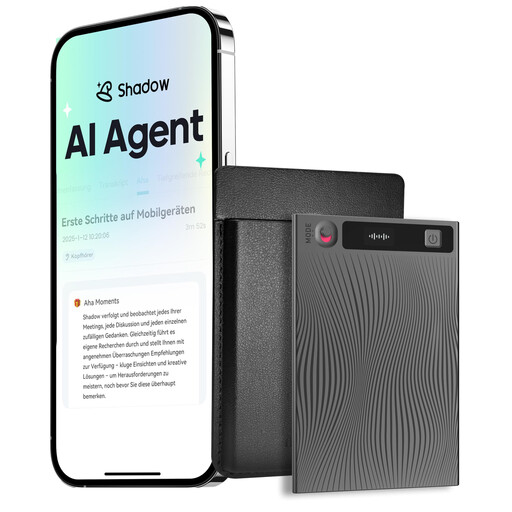
Mobvoi TicNote Standard AI Voice Recorder

Mobvoi TicNote Standard, 64 GB

A portable voice recorder for solo recordings, with a built-in microphone.

The product name lists 64 GB of storage, a 3-microphone array, 20H recording, Wi-Fi and Bluetooth.

View at Joybuy
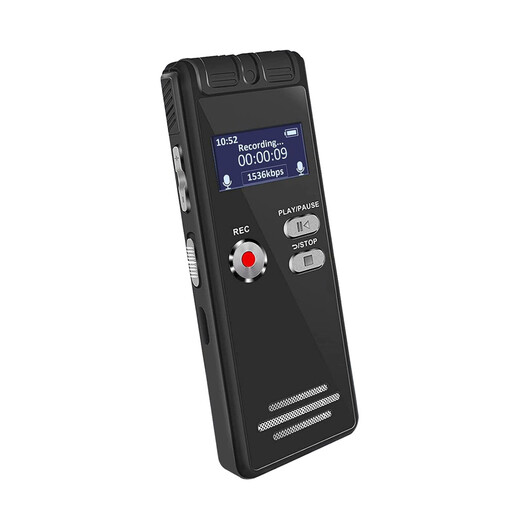
Rexsun L15 Digital Voice Recorder, 16 GB

Rexsun L15 Digital Voice Recorder, 16 GB

A portable digital voice recorder for recording with built-in microphones.

The product name lists 16 GB and an LCD display.

View at Joybuy
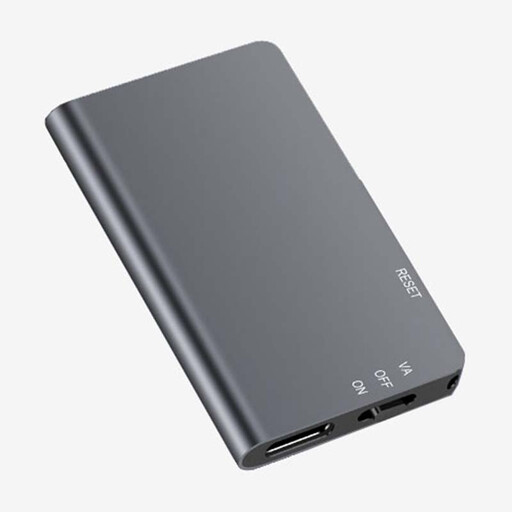
Rexsun L810 Digital Voice Recorder, 64 GB

Rexsun L810 Digital Voice Recorder, 64 GB

A portable digital voice recorder for compact voice recordings.

The product name lists 64 GB and one-button recording.

View at Joybuy
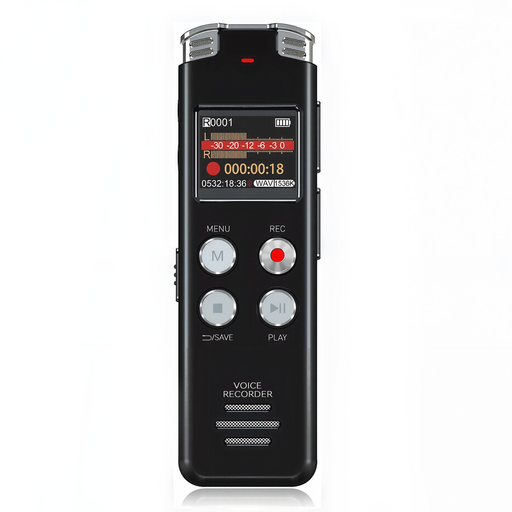
Rexsun L357 Digital Voice Recorder, 128 GB

Rexsun L357 Digital Voice Recorder, 128 GB

A portable voice recorder for solo recordings, with a built-in microphone.

The product name lists 128 GB of storage and an LCD display.

View at Joybuy
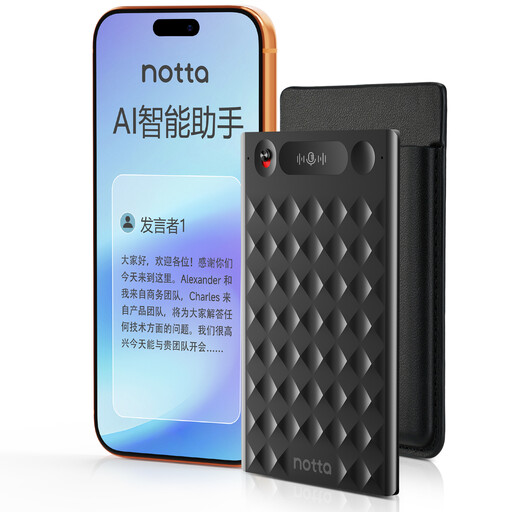
32 GB AI Voice Recorder with Case

32 GB AI Voice Recorder with Case

A portable voice recorder for recording with built-in microphones.

The product name lists 32 GB of storage and a case.

View at Joybuy

Frequently asked questions

Is 32-bit float alone enough to make audiobook chapters ready for publication?

No. The recording format is no substitute for a quiet room, editing and quality checks. If you’re submitting through ACX, its submission requirements also apply; ACX points out that its analysis tool does not fully detect room noise or editing errors. These are platform-specific requirements, not general equipment rules in Germany.

How should I set up my recorder for my first recording session?

Set up the device or microphone securely, record a short test where you’ll actually be speaking, then listen back for your voice, room sound and background noise. Before recording a whole chapter, check that your planned process from recording to editing works for you.

What should I check about what’s included and making a complaint?

Check whether the specific offer includes a memory card, batteries, cables and, if needed, a microphone; Bonedo found that the H4essential it tested came with neither batteries nor a memory card. For a consumer purchase in Germany, statutory rights against the seller are separate from a voluntary manufacturer’s warranty.

Can I simply record and publish someone else’s voice or a book written by someone else?

Not without the necessary rights and meeting the relevant requirements. Section 201 of the German Criminal Code (StGB) covers the unauthorised recording of another person’s private conversations. You’ll also need to clarify the rights to any protected book text you want to use; Section 15 of the German Copyright Act (UrhG), in particular, gives authors exclusive rights of exploitation. Whether you can publish a specific text depends, among other things, on your usage rights and any applicable statutory exceptions. Buying a recorder does not give you these rights.