First, choose the angle of view you need from the spot where you’ll actually be standing. Then think about how much kit you want to carry on your walk. A compact camera with a built-in zoom saves you changing lenses; with a mirrorless camera, your angle of view depends on the lens you choose, which adds extra weight. Image stabilisation helps reduce camera shake, but it can’t replace a stable setup for deliberate long exposures of flowing water, as Nikon Germany explains.
Which camera types suit different needs?
Canal views from a confined position
If you want to capture the waterway and the surrounding architecture in the same shot, check the angle of view offered by the specific lens from your planned position. The UNESCO World Heritage Centre describes Augsburg’s water system as a network of canals.
Lightweight kit for a walk
If you want to take spontaneous handheld shots without changing lenses, compare a built-in zoom with the weight of a complete mirrorless camera kit. Canon lists the PowerShot G7 X Mark III at around 304 g, including battery and card; with a mirrorless camera, you’ll also need to carry your chosen lens.
Shooting in changing light
In shaded sections of the canals, it’s worth checking stabilisation and exposure settings separately. Canon describes the PowerShot G7 X Mark III as having lens-shift stabilisation; Fujifilm lists in-body 5-axis stabilisation for the X-S20.
Which buying priorities matter most?
For a handheld walk, your choice will depend mainly on whether you value framing, the weight of the complete kit, low-light performance or the ability to capture distant details.
| Priority |
What to check |
Who it matters to |
| Angle of view for confined scenes |
Check the wide-angle end of the specific lens for the positions you plan to shoot from. |
If I want to capture the waterway and the building together from a limited space, the angle of view needs to be right. Around 33% of consumers would make this their top priority. |
| Weight of the complete kit |
Compare the weight of the camera ready to use, including lens and accessories, rather than just the body. |
For a longer walk, I want to carry as little as possible and avoid changing lenses along the way. Around 27% of consumers would put travelling light first. |
| Handheld shots in low light |
Check stabilisation, exposure settings and the maximum aperture at the focal length you’ll use. |
If I’m shooting handheld in shaded areas too, I want to have better control over camera shake. Around 20% of consumers would prioritise low-light performance. |
| Distant details |
Compare the optical telephoto reach and the maximum aperture at the telephoto end separately. |
For individual details I can’t get closer to from where I’m standing, optical reach matters. Around 20% of consumers would put distant subjects first. |
Which common misconceptions should I avoid?
-
Assuming a long telephoto zoom is ideal for wide-angle views
Distant details and a full canal view from a confined position place different demands on a lens.
Compare the wide-angle and telephoto ends separately in full-frame equivalent terms, and choose based on the positions you can actually reach.
-
Assuming stabilisation guarantees sharp shots of water
Camera movement and the movement of the water are different causes of blur. Stabilisation can’t freeze flowing water.
Check the stabilisation for spontaneous handheld shots. For deliberate long exposures, plan for a stable setup; Nikon Germany recommends using a sturdy tripod.
-
Comparing only the body of a mirrorless camera
Without a suitable lens, you can’t determine the angle of view you’ll get or the weight of the camera ready to use.
Before you buy, compare the specific body-and-lens combination and what’s included in the box.
The lens adds to the weight of the body and will also need to be carried on your walk.
A guide to relevant camera brands
Sony
The RX100 VII is a compact camera with a built-in zoom; the α6700 is a mirrorless camera body with interchangeable lenses.
- Sony UK lists a 24–200 mm full-frame equivalent range for the RX100 VII, along with optical image stabilisation for stills.
- At the telephoto end, the RX100 VII has a maximum aperture of F4.5, according to Sony. With the α6700, the angle of view and overall weight also depend on the lens.
Canon
The PowerShot G7 X Mark III combines a built-in zoom with a compact body.
- Canon UK lists a 24–100 mm full-frame equivalent range, F1.8–2.8, lens-shift stabilisation and a weight of around 304 g, including battery and card.
- Compared with the Sony RX100 VII, the Canon model mentioned here has a shorter optical zoom range. This is a comparison of these two models, not a statement about every camera from either brand.
Ricoh
The GR IV is a compact camera with a fixed angle of view, for buyers who want to shoot without an optical zoom.
- Ricoh Imaging Europe lists a full-frame equivalent of around 28 mm and 5-axis sensor-shift stabilisation.
- You can’t change the angle of view optically. This fixed-focal-length design is therefore not a substitute for a zoom when you want to capture distant details.
Fujifilm
The X-S20 is a stabilised mirrorless camera whose angle of view depends on the lens you choose.
- Fujifilm lists in-body 5-axis stabilisation and a camera weight of 491 g.
- The lens, angle of view and weight of the complete kit all add to this. Stabilisation doesn’t guarantee sharp handheld shots in every situation.
Panasonic
The Lumix TZ99 is a travel zoom compact camera for buyers who want to capture distant details without changing lenses.
- Panasonic UK lists a 30x optical zoom and a weight of around 322 g with battery and SD card.
- Panasonic lists 5-axis hybrid stabilisation. Details about angles of view and stabilisation should be considered separately for stills and video. Telephoto reach doesn’t replace a wide angle of view for full scenes in confined spaces.
Joybuy camera deals
The Joybuy picks below include gimbal and action cameras, as well as a mirrorless camera with a zoom lens. Compare each form factor and stated angle of view with the canal scenes you want to capture from your chosen position.
 No image available
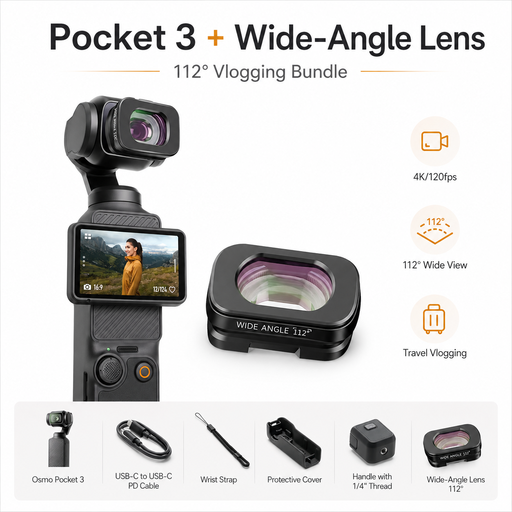
DJI Osmo Pocket 3 Standard Combo with ULANZI F35 112° wide-angle lens
For a handheld walk, if you’re looking for a camera with a built-in gimbal and a wide-angle lens in the bundle.
The product title lists a 1-inch CMOS sensor, 4K/120fps and a 3-axis gimbal. The bundle includes a magnetically attached 112° wide-angle lens.
View at Joybuy
 No image available
Sony Alpha 6100 APS-C camera with 16–50 mm Power Zoom lens
For varied framing with the included zoom lens; check whether its angle of view is wide enough for your position.
The product title lists a 16–50 mm Power Zoom lens.
View at Joybuy
 No image available
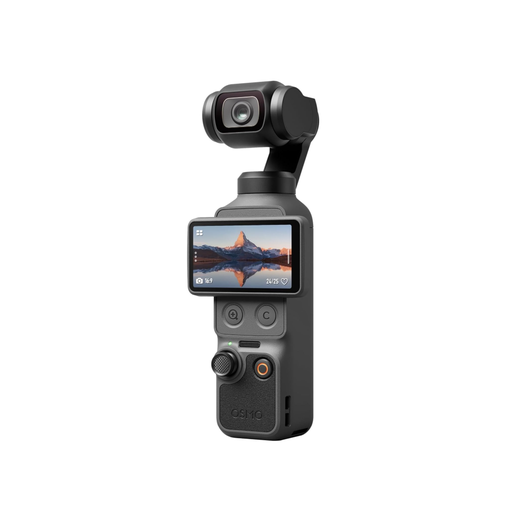
DJI Osmo Pocket 4 Standard Combo
For a handheld gimbal setup, if the zoom and screen features listed in the product title suit the way you plan to use it.
The product title lists a 1-inch CMOS sensor, 4K/240fps, 3-axis stabilisation, 2× lossless zoom, 107 GB of built-in storage and a 2-inch rotating screen.
View at Joybuy
 No image available
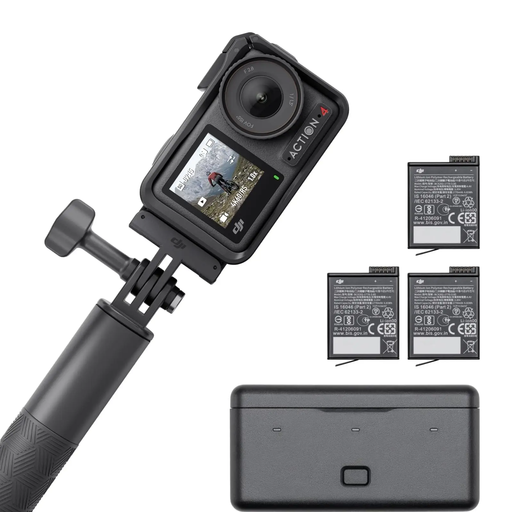
DJI Osmo Action 4 Adventure Combo
An action camera for buyers considering an especially wide field of view; check the framing for the specific canal scene you want to capture.
The product title lists a 1/1.3-inch sensor, 4K/120fps and a 155° field of view.
View at Joybuy
 No image available
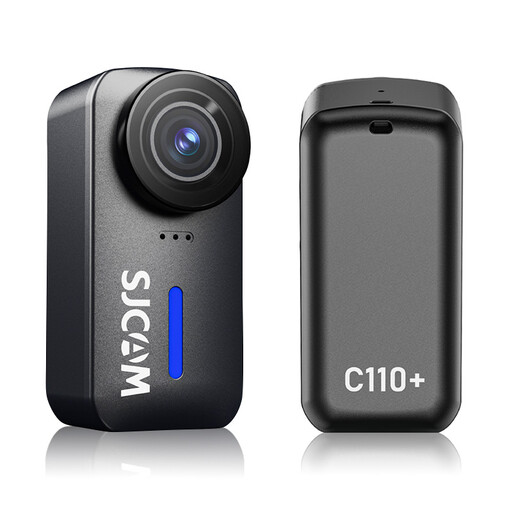
SJCAM C110+ 4K action camera
For buyers looking at an especially wide field of view and a compact action camera; compare the framing with the space available from your chosen position.
The product title lists a 170° wide-angle lens, an f/1.8 aperture and gyro stabilisation. The product name also lists 20 MP photos.
View at Joybuy
Frequently asked questions
Is image stabilisation enough to create a soft, flowing effect in canal water without a tripod?
No. It’s not a reliable substitute for a stable setup when you’re taking deliberate long exposures. Nikon Germany recommends using a sturdy tripod: stabilisation addresses camera movement, while the longer exposure makes the water’s movement visible.
What should I take on a walk with a mirrorless camera?
Choose a lens that’s compatible with your camera system and gives you the angle of view you need, then compare the weight of the complete combination. Also check the battery, memory card and exposure settings for the specific kit.
Can I publish photos of Augsburg’s canals and buildings?
Under certain conditions, Section 59 of the German Copyright Act (UrhG) permits the reproduction and public communication of works permanently located on public paths, roads or squares; for buildings, this applies only to their exterior. For recognisable people, separate rules apply: under Section 22 of the German KunstUrhG, their consent is generally required before an image of them can be distributed or displayed publicly. This does not amount to blanket permission for every location or publication.
Who should I contact in Germany if I discover a fault after buying?
Your statutory warranty rights are generally against the seller; a voluntary guarantee is separate. If a product is faulty, repair or replacement may be available in the first instance. Any further rights depend on the legal requirements and the circumstances of your case.


