
Lieferung heute & morgen

Qualitätsgarantie

Willkommens-Angebote freischalten: KOSTENLOSE Lieferung | Bis zu 80 % RABATT | Kostenlose 30-Tage-JoyPlus-Testphase
App herunterladen
The selection of Japanese green tea available is steadily growing, but so is the confusion. Attractive packaging and marketing promises make it difficult to distinguish authentic quality from overpriced imitations. Many consumers invest in a product that disappoints in flavour or fails to meet their health expectations. This guide will help you identify the most common pitfalls and make an informed decision.
Before making a purchase, you should be aware of these common issues that often lead to disappointment:
To ensure you get a product that meets your expectations, you should check three core parameters.
The origin is a crucial quality indicator. Products explicitly labelled "Made in Japan" are generally subject to stricter controls. The region is particularly important for Matcha; Uji Matcha from the Kyoto Prefecture is considered one of the most prestigious origins. You should also familiarise yourself with the main varieties:
A short and clear ingredients list is usually a good sign. For pure tea, only "Green Tea" or the specific variety should be listed. For blends and ready-to-drink beverages, pay attention to the order of the ingredients. If sugar is listed first or second, it is more of a sugary drink than a tea product. Look specifically for products marked "no added sugar."
The form of the tea should match your habits:
Here are some selected products tailored to different needs and preferences.

Why this product is a great fit: Perfect for anyone who wants to enjoy the creamy taste of a Matcha Latte without having to buy a full Matcha set. Preparation is incredibly simple and only requires hot water.
The ingredients list transparently declares sugar and whole milk powder. This way, you know exactly what you're getting and won't fall into the "hidden sugar" trap.
Very quick and easy preparation for an instant latte experience.
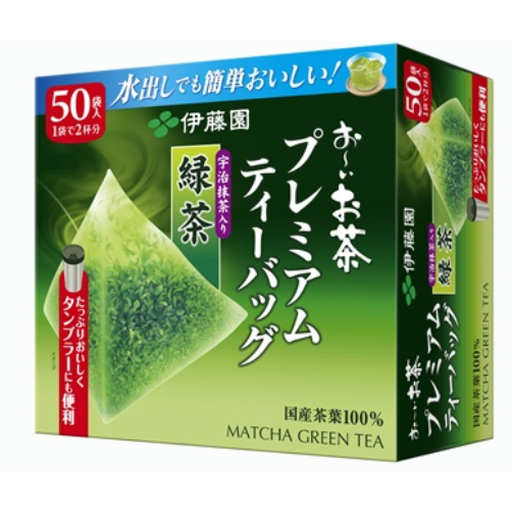
Why this product is a great fit: This bulk pack from Ito En tea, a leading brand from Japan, is perfect for the daily enjoyment of authentic, sugar-free green tea.
The product is explicitly declared as a sugar-free green tea and is verifiably from Japan. It bypasses both the origin and sugar traps.
Authentic flavour from a blend of green tea and matcha in convenient green tea bags.
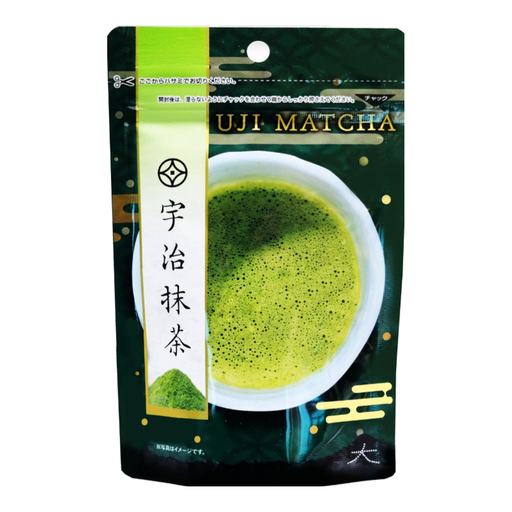
Why this product is a great fit: For tea lovers seeking a pure, high-quality Matcha powder for traditional preparation who value a prestigious origin.
The Uji Matcha designation of origin is a clear mark of quality. As a 100% pure tea powder, it avoids the trap of unclear quality grades and misleading origin claims.
Pure, stone-ground Matcha from Uji, Kyoto, for an authentic and umami-rich taste experience.
We've compiled a complete, up-to-date list of products that meet these strict selection criteria.
To avoid lumps, the Matcha powder should be passed through a fine-mesh sieve before preparation. Then, add only a small amount of hot (not boiling) water and stir it into a smooth paste. Only then should the rest of the water be added and whisked until frothy with a bamboo whisk (chasen), which is often included in a Matcha set.
The fundamental difference lies in the processing and consumption. Sencha tea consists of whole tea leaves that are steeped in hot water and then removed; you drink the infusion. For Matcha, on the other hand, the tea leaves are ground into a fine powder, suspended completely in the water, and consumed whole.
No, this is a common mistake that makes the tea bitter. Boiling water (100°C / 212°F) destroys the delicate aromas. For most Japanese green tea varieties like Sencha tea or Matcha, a water temperature of about 70–80°C (158–176°F) is ideal to achieve a balanced flavour profile. Always check the instructions on the product packaging.