
Lieferung heute & morgen

Qualitätsgarantie

Willkommens-Angebote freischalten: KOSTENLOSE Lieferung | Bis zu 80 % RABATT | Kostenlose 30-Tage-JoyPlus-Testphase
App herunterladen
Anyone who loves Japanese cuisine knows the problem: you want to prepare an authentic dish like ramen, curry, or teriyaki chicken, but the search for the right ingredients at the local supermarket often ends in disappointment. A well-stocked online Asian grocery store is the solution, but pitfalls lurk here too. Many products advertise a Japanese flair but fail to deliver the expected flavour. This guide will help you separate the wheat from the chaff and specifically select the Japanese food products that will elevate your cooking.
As a Joybuy Product Recommendation Officer, I see every day which products truly win users over and which ones just gather dust in the pantry. The most common purchasing mistakes are based on three widespread misconceptions:
To avoid these mistakes, it's crucial to look beyond the brand name and pay attention to the fundamental product parameters.
Before you buy Japanese ingredients, you should check three core aspects. These will help you distinguish marketing promises from genuine quality features and build a solid foundation for Japanese cooking.
Authenticity begins with the manufacturing process. A high-quality Kikkoman Soy Sauce, for example, is naturally brewed, a process that can take several months and consists of only four basic ingredients: soybeans, wheat, water, and salt. Chemically produced alternatives often contain added colourings, flavour enhancers, and preservatives that corrupt the pure taste. Look for terms like "naturally brewed" on the label and check the country of origin. Products made in Japan or produced for renowned brands according to original Japanese recipes generally offer more reliable quality.
Japanese cuisine is distinguished by a variety of specialised sauces. Each has its own purpose, and mixing them up can ruin a dish.
A glance at the ingredient list quickly exposes imitations. The most prominent example is Kewpie Mayonnaise. Its distinctive taste and creamy texture come from the exclusive use of egg yolk and a special vinegar blend. European mayonnaises are mostly based on whole eggs and have a different flavour profile. The same applies to Japanese curry. The S&B Golden Curry cubes contain a complex blend of over 30 spices that is nearly impossible to replicate in home experiments.
Here are some recommendations tailored to different needs and cooking styles that meet the criteria mentioned above.
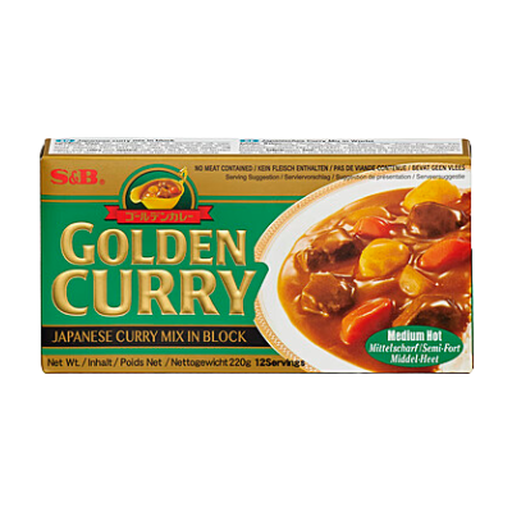
Why This Fits Their Persona: Ideal for anyone who wants to cook an authentic Japanese curry without much effort. The solid roux blocks are easy to portion and guarantee a foolproof, well-rounded result reminiscent of the curries from Japanese restaurants.
This product bypasses the "Japan-Style" trap as it is one of the leading brands from Japan. It delivers the genuine, complex flavour expected from a Japanese curry, rather than a simplified, overly sweet version.
Simple preparation with portionable blocks; a harmonious blend of 35 spices and herbs for a deep, rich flavour.
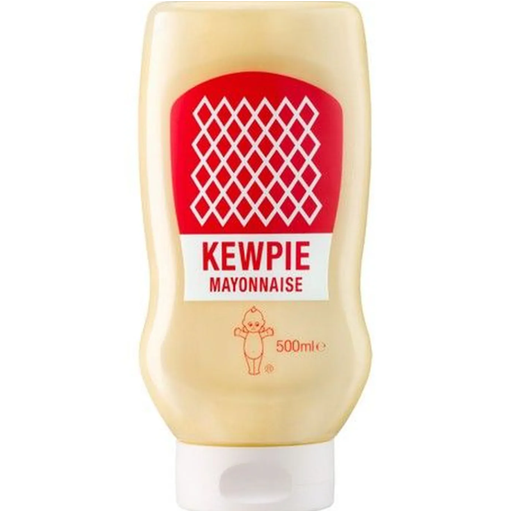
Why This Fits Their Persona: For connoisseurs who can taste the difference. This mayonnaise is a cult favorite and indispensable for dishes like okonomiyaki, takoyaki, or simply as a dip for karaage (fried chicken). Its unique creaminess enhances any dish.
It avoids the trap of incorrect ingredients. According to the manufacturer, it is made exclusively with egg yolk (14%), which provides the incomparable texture and rich umami flavour—a clear differentiator from conventional products.
Exceptionally creamy, custard-like texture; rich, savoury umami flavour; versatile squeeze bottle with two different nozzles.
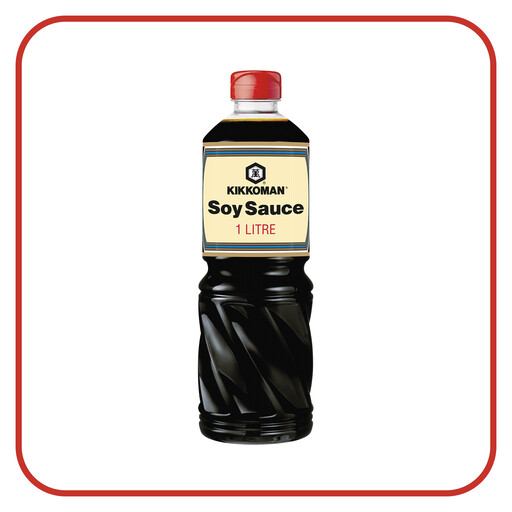
Why This Fits Their Persona: Anyone who cooks Japanese food regularly needs a reliable, high-quality, and versatile soy sauce in an economical size. This 1-litre bottle is the foundation for countless marinades, sauces, and stir-fry dishes, offering a consistent flavour experience.
It avoids the "one-sauce-fits-all" assumption by serving as a high-quality base. According to the manufacturer, it is naturally brewed and consists of only four ingredients, with no artificial additives. This makes it a pure and reliable foundation.
Made from only four natural ingredients; versatile for a wide range of dishes; economical 1-litre size for regular use.
We have compiled a complete, up-to-date list of products that fully meet these strict selection criteria and German food regulations.
You can recognise an authentic, traditionally made Japanese soy sauce by the label "naturally brewed". The ingredient list should be short and simple: typically just water, soybeans, wheat, and salt. Products with a long list of additives like flavour enhancers (e.g., monosodium glutamate), colourings (e.g., caramel colour), or corn syrup are often chemically produced or lower-quality alternatives.
Most Japanese sauces like soy sauce, teriyaki sauce, or tonkatsu sauce should be stored in the refrigerator after opening. Soy sauce lasts a very long time due to its high salt content but can lose some of its aroma over time. Sauces with a higher sugar or fruit content, like teriyaki or tonkatsu sauce, should generally be consumed within one to three months. Always check the specific storage instructions on the manufacturer's label.
Yes, but expect a different flavour experience. Kewpie Mayonnaise is richer, creamier, and has a more pronounced umami flavour than most European mayonnaises due to its use of pure egg yolk and rice vinegar. It is excellent for Japanese dishes but can also elevate sandwiches, salads, and dips to a new level of taste. Because of its more intense profile, you may need to use a smaller amount than you would with conventional mayonnaise.