
Lieferung heute & morgen

Qualitätsgarantie

Willkommens-Angebote freischalten: KOSTENLOSE Lieferung | Bis zu 80 % RABATT | Kostenlose 30-Tage-JoyPlus-Testphase
App herunterladen
A well-equipped car tool kit is essential for anyone looking to perform maintenance or repairs on their own vehicle. However, the market is flooded with options that promise more than they deliver. An unsuitable automotive tool set not only leads to frustration but can also cause expensive damage to your vehicle. As your Joybuy Product Recommendation Officer, I'll help you spot the common pitfalls and make an informed decision.
Before you invest, you should be aware of the most common issues found in low-quality tool sets.
To avoid these pitfalls, focus on three objective criteria. These determine the durability and functionality of your tools for car repair.
The material is the most critical factor for a tool's resilience. Look for sets where the main components are made from Chrome Vanadium Steel (Cr-V). This alloy offers high strength and resistance to wear. An additional heat treatment and a matte or polished finish also protect against corrosion. Tools made from simple carbon steel are often cheaper but are not designed for the high forces encountered in automotive repairs.
A good ratchet set or socket set includes the most common drive sizes. Each size is optimised for specific applications:
For safety-related fasteners like lug nuts, cylinder head bolts, or suspension components, adhering to the manufacturer-specified torque values is essential. A reliable torque wrench is therefore not a luxury, but a necessity. Look for a certified accuracy, ideally ±4% or better. Digital models often offer additional features like various units (Nm, lbf·ft) and audible alerts that signal when the target torque is reached.
Based on these objective criteria, we have curated a selection of products suited for different needs.
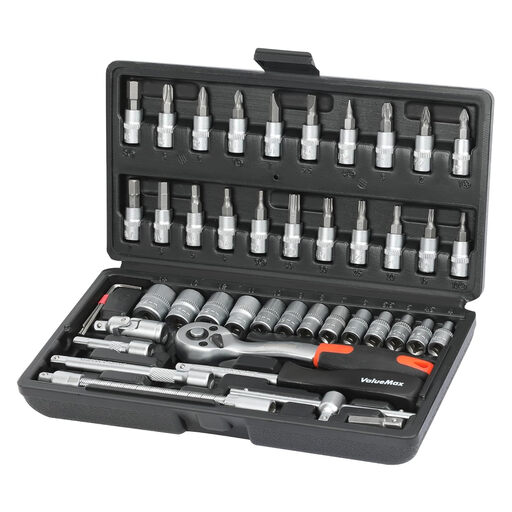
Why it's a match: Ideal for basic maintenance tasks like changing cabin filters, batteries, or smaller attachments. Its compact format is easy to store and covers the most important jobs without overwhelming you with unnecessary parts.
This set focuses on the essential tools of a 1/4-inch socket set, avoiding unnecessary filler. All sockets and accessories are made from Chrome Vanadium Steel, sidestepping the material trap.
A compact and robust set for basic jobs. The 72-tooth ratchet allows for efficient work even in tight spaces.
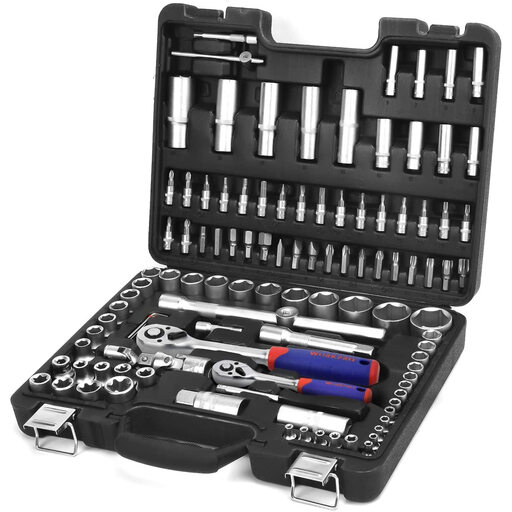
Why it's a match: For anyone who works on their vehicle regularly and extensively. The combination of 1/4" and 1/2" drives covers a wide spectrum—from delicate screws to stubborn fasteners on the chassis and wheels.
Instead of focusing on sheer quantity, this set offers a sensible collection of the most common metric sockets and bits for both drive sizes. The Cr-V steel construction ensures the necessary durability for regular use.
Comprehensive coverage with two drive sizes in one case. It includes spark plug sockets and extensions, making it a versatile car repair kit.
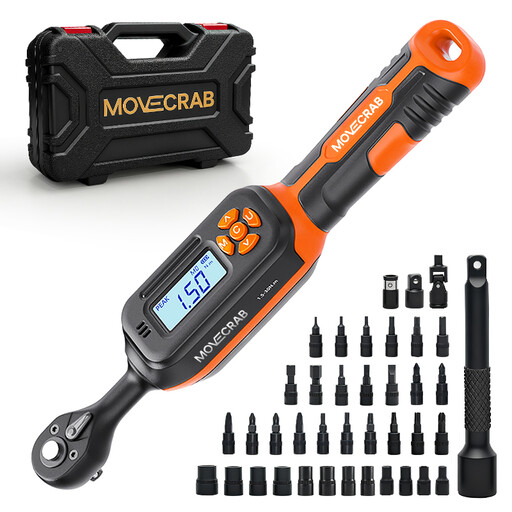
Why it's a match: Perfect for work on modern engines, motorcycles, or bicycles where precise, low-range torque values are critical. The digital display and memory function enable precise and traceable work.
This set directly addresses the pitfall of inaccurate measuring tools. It offers a stated accuracy of ±2% and digital features (real-time, peak, and preset modes) that minimise the risk of assembly errors.
High precision with a digital display and audible alert. The set already includes a comprehensive selection of bits and sockets for the 1/4-inch drive.
We have compiled a complete, up-to-date list of products that fully meet these strict selection criteria and all applicable safety requirements.
Proper maintenance is simple and ensures the longevity of your tools. Clean the tools with a dry cloth after each use to remove dirt and oil. Moving parts, like a ratchet mechanism, benefit from an occasional drop of machine oil. Always store the set in its case in a dry place to prevent corrosion.
That depends on the jobs you plan to do. A simple rule of thumb is:
For safety-critical components, a calibrated torque wrench is essential. Whether it should be mechanical or digital depends on your needs. A digital model offers higher accuracy, easier readability, and extra features like data storage or warning signals. This can prevent errors and is particularly advantageous when working on sensitive aluminium components or with low torque values. For simply changing wheels, a high-quality mechanical torque wrench may also suffice.