
Lieferung heute & morgen

Qualitätsgarantie

Willkommens-Angebote freischalten: KOSTENLOSE Lieferung | Bis zu 80 % RABATT | Kostenlose 30-Tage-JoyPlus-Testphase
App herunterladen
A worn car door seal can make itself known through wind noise, moisture inside the car or rattling doors. When buying a replacement, however, searching for “car door seal” or “rubber car door seal” isn’t enough. The exact fitting position, vehicle specification and correct OE number are what matter.
This buying guide explains what vehicle owners, DIY enthusiasts and garages should look out for, and how to avoid common purchasing mistakes.
A seal may be listed for a particular vehicle model but only fit the sliding door, front door, rear door or window channel. So a VW T4 door seal won’t necessarily fit every door on the van. The same applies to a VW T5 door seal or a BMW E90/E91 door edge protector.
Before buying, check:
Car seals that look similar can have different fixing points, lengths or profiles. That’s why the OE number is an important reference. Compare it with the number on the part you’ve removed or with the details in the vehicle catalogue.
Examples from the range include OE references 7D0843791F for certain van door seals, 7E0837911B for a T5 seal set, and 51727247258 and 51727247260 for the BMW E90/E91 door edge protector.
Phrases such as “waterproof car seal” or “reduces wind noise” describe a possible use, but don’t automatically confirm compatibility. A correctly fitting seal can help limit water ingress and wind noise at the intended fitting position. However, the mating profile must be undamaged, the mounting surface clean and the seal fitted correctly.
Door seals are usually made from rubber or a similar material. Look for a consistent profile, sufficient flexibility and temperature resistance suitable for use in a vehicle. Door edge protection strips should also fit securely on the edge without interfering with the door closing.
For products made from ABS plastic, such as window channel trim, it’s especially important to check the shape and fixing method. These parts sit along the window channel edge and aren’t the same as a traditional full-perimeter rubber seal.
Check the length you need, the number of parts and which doors are covered. A four-piece set may be designed to cover all the doors, while a single door seal strip may only cover one fitting position.
When choosing a product, check:
The model name, body style, production period and OE number must all match. Imported vehicles and commercial vehicles may have different seal profiles for bus, van, Multivan and panel van versions. If the details don’t match clearly, check the part number against the original part or ask a garage before buying.
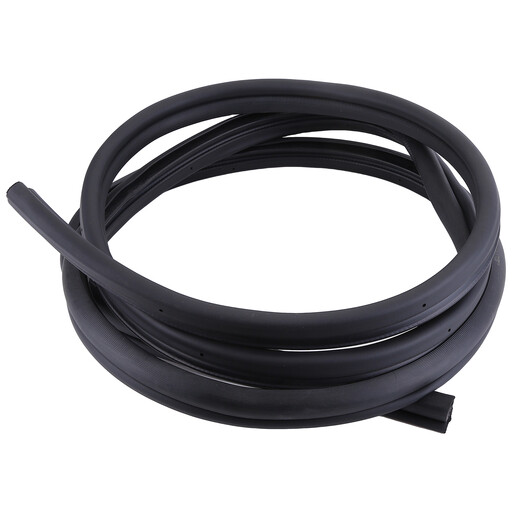
Why this product suits this type of buyer: This door edge protector is designed for BMW 3 Series E90 or E91 owners who want to replace a single damaged protection strip.
The two OE references and details specifying the front left or right door make it easier to check compatibility before buying.
Rubber door edge protector with push-on fitting; designed as a single replacement part for the BMW model range listed.
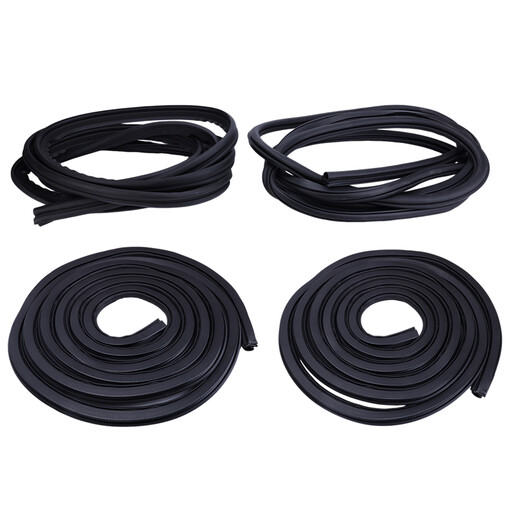
Why this product suits this type of buyer: This four-piece set is for Volkswagen Transporter owners looking to replace several door seals and who want to know exactly what’s included.
Multiple OE references and the model details help you avoid choosing a universal profile that doesn’t fit.
Four seals in the set; rubber profile for Transporter, bus and Multivan versions as specified in the product details.
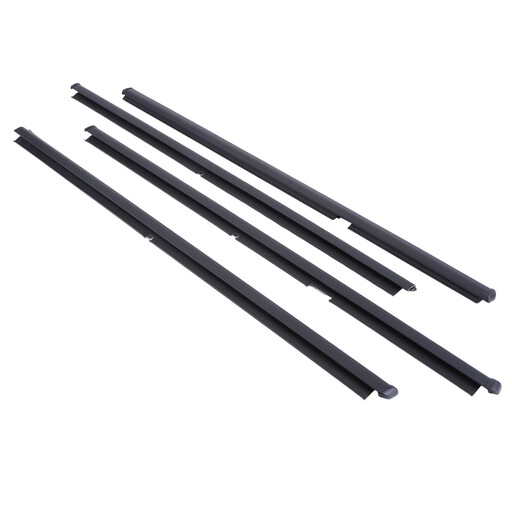
Why this product suits this type of buyer: This set is for Jeep Grand Cherokee WJ/WG owners who want to replace the window channel seals on all four doors.
The four OE numbers and the details for the front and rear doors reduce the risk of ordering just one strip or one for the wrong position.
Four-piece set made from ABS plastic; references for the Grand Cherokee II WJ/WG as stated in the product description.
We’ve put together a complete, regularly updated list of products that meet these strict selection criteria and fully comply with the safety regulations in force in the EU.
Before fitting the new seal, remove the old one completely and clean the mounting surface. Residue, dust and moisture can prevent a door seal strip from sitting evenly. If you’re fitting push-on door edge protectors, make sure the door edge is dry and undamaged.
After fitting, check that everything works as it should:
For complex profiles, sliding doors or safety-critical fitting positions, it’s best to have the seal fitted by a qualified garage. Don’t use universal adhesive solutions if the vehicle profile is designed for a secure, form-fitting original fixing.
Compare the vehicle model, body style, door position, production period and OE number. You should also check the product images and what’s included against the part already fitted. If you’re unsure, a garage can help using your vehicle identification number.
Its lifespan depends on UV exposure, temperature, cleaning products, mechanical wear and how often the door is opened and closed. Cracks, distortion, porous areas or persistent wind noise are signs that the seal should be checked and may need replacing.
A correctly fitted seal that’s the right size can help reduce noise coming through gaps around the doors. If the wind noise continues, possible causes include incorrectly adjusted doors, damaged window channels, bodywork gaps or other seals.