
Lieferung heute & morgen

Qualitätsgarantie

Willkommens-Angebote freischalten: KOSTENLOSE Lieferung | Bis zu 80 % RABATT | Kostenlose 30-Tage-JoyPlus-Testphase
App herunterladen
Proper hydration and nutrition are crucial for your pet's health and well-being. Modern food and water dispensers promise convenience and a consistent supply, but not all products live up to their claims. Many owners invest in devices that quickly prove to be impractical, noisy, or unhygienic. This guide will help you recognise common pitfalls and make an informed decision that meets both your pet's needs and your own requirements.
When searching for the right dispenser, many buyers encounter recurring issues that often only become apparent after the purchase.
To avoid a poor investment, you should check a few technical features and material standards before buying. These objective criteria are more important than marketing claims.
The choice of material is a fundamental aspect of safety and hygiene. Look for products made from food-grade, BPA-free plastic such as Tritan or ABS plastic. These materials are robust, odourless, and safe for contact with food and water. Alternatively, models made of stainless steel or ceramic are also very hygienic and easy to clean. High-quality construction without sharp edges or hard-to-reach crevices is an indicator of a well-thought-out product design.
For a pet water dispenser in the form of a fountain, the pump and filter are the core components.
Different designs are suitable depending on the pet and its living environment. For small animals in cages or reptiles in terrariums, a hanging food bowl is often the best solution. It saves valuable floor space, prevents the bowl from being tipped over, and protects food and water from contamination by bedding. For free-roaming pets, a heavy, stable bowl or a combined food and water bowl set may be more practical.
Instead of making a one-size-fits-all recommendation, we have identified products tailored to clearly defined user profiles.
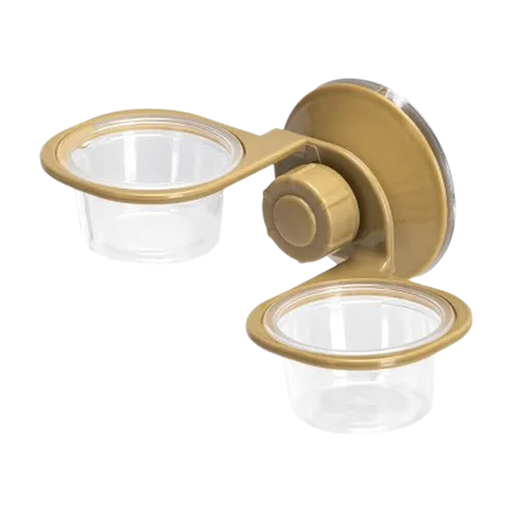
Why This Fits Their Persona: Ideal for owners of small animals or reptiles in cages and terrariums. The hanging design saves floor space and prevents food and water from being contaminated by bedding or substrate.
Solves the problem of contamination and lack of space in confined habitats. The secure attachment to the cage bars also prevents it from being knocked over.
Two separate chambers for food and water in one compact design. Made from durable and odour-free PP material.
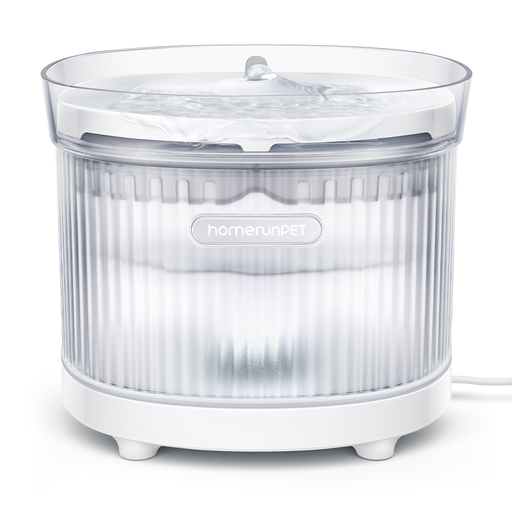
Why This Fits Their Persona: For cat owners who prioritise safety, minimal noise, and easy hygiene. The wireless pump and quiet design are ideal for use in living spaces.
Addresses the problems of noisy pumps (operates at under 20 dB, according to the manufacturer) and difficult cleaning (fully detachable design).
Wireless pump for electrical safety and easy handling. Made from BPA-free Tritan material of baby-bottle quality.
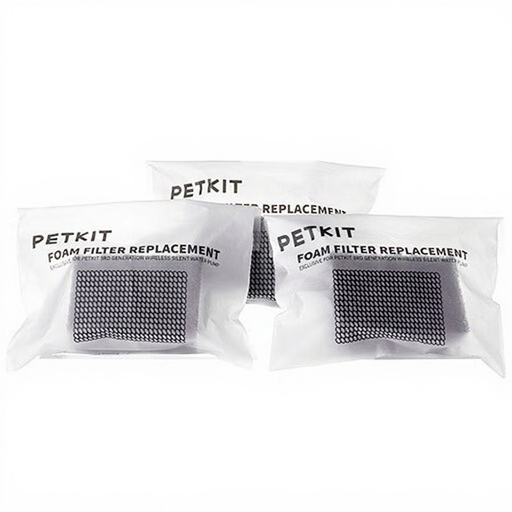
Why This Fits Their Persona: For owners of compatible PETKIT water fountains who want to ensure the performance and longevity of their device through regular maintenance.
Prevents the most common defect in water fountains: a pump clogged by hair and debris. Regular replacement ensures proper function.
Essential pre-filtration to protect the pump mechanism. As a genuine replacement part, it guarantees a perfect fit and function.
We've compiled a complete, up-to-date list of products that fully meet these strict selection criteria and all applicable safety regulations.
The replacement interval depends on the filter type, the number of pets, and the water hardness. As a general guideline:
A hanging food bowl is particularly beneficial for animals living in cages, aviaries, or terrariums, such as birds, hamsters, rabbits, or certain reptiles. It keeps food and water clean and saves space. For pets that move freely in a room, like dogs or cats, heavy, stable bowls made of ceramic or stainless steel are often more suitable as they cannot be easily knocked over.
A reliable indicator is the decibel (dB) rating in the product's technical specifications. Values below 30 dB are considered very quiet and are barely perceptible in a normal home environment. Models advertised with a "wireless pump" or "magnetically coupled pump" tend to be quieter than those with a direct mechanical drive.