
Lieferung heute & morgen

Qualitätsgarantie

Willkommens-Angebote freischalten: KOSTENLOSE Lieferung | Bis zu 80 % RABATT | Kostenlose 30-Tage-JoyPlus-Testphase
App herunterladen
Sensitive skin doesn’t always react to the same triggers. You might feel tightness after cleansing, notice redness worsening with changes in weather, or develop blemishes even on dry patches. With Avène skincare for sensitive skin, it’s less about having a long routine and more about choosing the right product category, a well-tolerated formula, and using it correctly.
A product label isn’t a substitute for checking the ingredients list. Fragrances, certain preservatives, or strong exfoliating ingredients can be problematic for some people. Even a product marketed as gentle should be tested on a small area of skin first.
Look out for practical cues like fragrance-free, alcohol-free, non-comedogenic, or a short ingredients list. However, these claims don’t guarantee it will suit your skin.
A tinted sunscreen can even out your skin tone visually, but it usually offers less coverage than make-up. With the Avène Ultra Fluid Perfector SPF 50+, the colour is described as a universal shade. The result can vary depending on your skin depth and undertone. If you have a noticeably cool, warm, or olive complexion, it’s worth testing the shade along your jawline and neck if possible.
The SPF stated on the packaging is based on applying enough product. For your face and neck, the Avène sun protection products mentioned here recommend roughly a finger-length amount. If you use significantly less, your actual protection will be lower. Reapply after swimming, sweating, towel-drying, or rubbing.
“Sensitive skin” describes a tendency to react, while dry, oily, or blemish-prone describes your current skin condition. This leads to different priorities:
If you have persistent, painful, or worsening skin changes, seek medical advice to identify the cause. Cosmetic skincare is not a substitute for diagnosis or treatment.
A face sunscreen with SPF 50+ should offer stated UVA and UVB protection. These two types of rays differ: UVB is mainly linked to sunburn, while UVA penetrates deeper into the skin. Some Avène products also claim protection against short-wave HEV blue light. This should be understood as a product feature, not a medical promise.
For everyday use, these criteria also matter:
A feeling of tightness after washing isn’t proof of a thorough clean. For sensitive skin, lukewarm water, minimal rubbing, and a gentle cleanser can be more suitable than frequent exfoliation or heavily foaming products.
The Avène Tolerance Gelified Cleansing Lotion is described as a fragrance-free, no-rinse cleansing lotion. For normal to combination skin and sensitive eye areas, the Avène Cleansing Foam Makeup Remover is also available. For oily, blemish-prone skin, the Cleanance range may be a more suitable product group. An AHA serum, on the other hand, should be used sparingly and with careful attention to sun protection, as the product information indicates increased sun sensitivity.
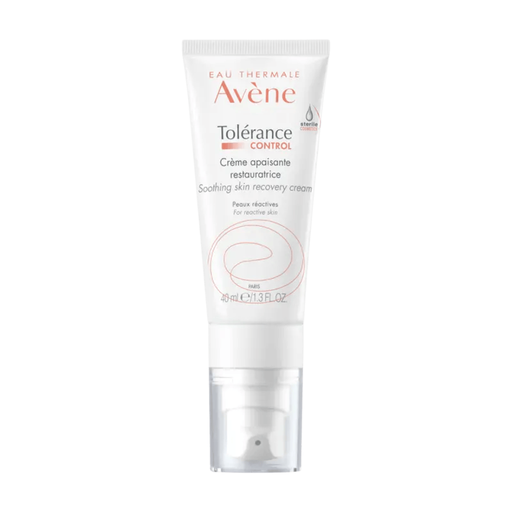
Why this product fits the profile: The 40 ml cream is ideal for a simple, basic routine for reactive, intolerant, or sensitive skin.
The formula is described as fragrance-free and preservative-free. This lets you keep your routine simple without any added fragrance.
D-sensinose, glycerin and squalane; airless packaging; designed for morning and evening use.
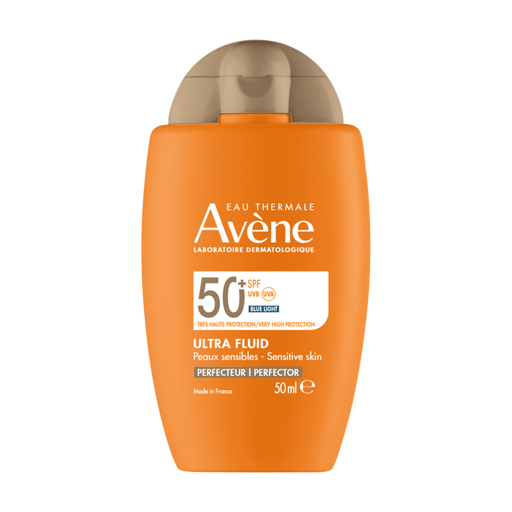
Why this product fits the profile: For those who want daily face sun protection with a lightweight texture and a subtle tint.
The product description states SPF 50+, UVA and UVB protection, plus additional protection against short-wave HEV blue light. The tint is clearly described as a light colour correction, not a foundation.
Ultra-fluid, water-resistant texture; fragrance-free and octocrylene-free; designed as a make-up base.
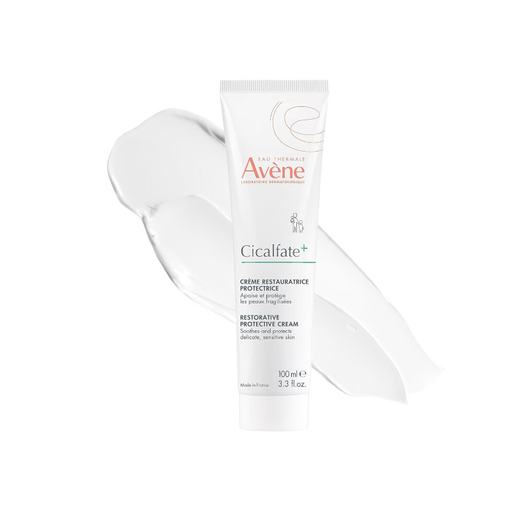
Why this product fits the profile: The larger size is ideal for households that need a protective moisturiser for dry or irritated-looking areas of skin.
It’s designed for use on cleansed, affected areas. This prevents the rich cream from being applied unnecessarily over large areas.
100 ml content; contains zinc oxide, glycerin and Avène Thermal Spring Water; suitable for adults and the whole family.
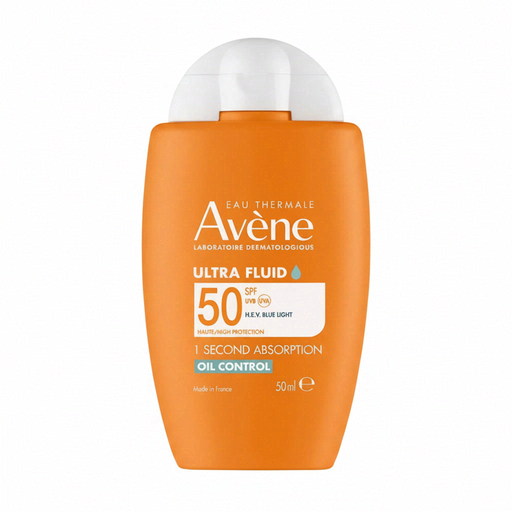
Why this product fits the profile: This lightweight sun care is designed for oily, sensitive skin according to the product description, and can be suitable for everyday use in the city, office, or on the go.
The Oil Control focus addresses shine and a sticky skin feel, rather than just looking at the SPF.
SPF 50; UVB, UVA and HEV blue light protection according to product claims; fragrance-free, water-resistant ultra-fluid texture.
If you have rosacea, recurring stinging, or noticeable inflammation, you should seek a dermatological assessment. A rosacea skincare product can support daily comfort, but it doesn’t automatically treat the underlying condition.
We’ve put together a full, regularly updated list of products that fully meet these strict selection criteria and the safety regulations in force in the EU.
For dry, sensitive skin, lightweight moisturisers like Avène Hydrance Crème Légère or richer products from the Essentials range could work. For weakened or irritated-looking skin, Cicalfate+ can be chosen as a targeted protective moisturiser. Tolerance should be checked individually.
The PAO symbol on the packaging is key, as it indicates how long the product can be used after opening. You should also check the expiry date, batch number, and storage instructions. Heat, direct sunlight, and a frequently opened product can affect storage.
The tint can subtly even out your skin tone and visually reduce redness. However, it typically doesn’t offer the coverage of a foundation. Also, you must not reduce the amount of sunscreen you need just to make the finish look more natural.