What should you look for when buying?
First, decide whether you want to blend the whole batch at once or prefer smaller quantities and compact storage. Then consider texture settings, cleaning and suitable portions for freezing.
| What matters to you |
What to check before buying |
Who will find this particularly important? |
| Usable capacity per batch |
Compare your recipe quantity with the stated usable capacity, not just the jug’s total volume. |
If I want to blend a larger batch for the freezer in one go, the usable capacity needs to suit my recipe. Around 31% of consumers prioritise the amount they can make in one batch. |
| Desired consistency |
Check whether you can adjust the speed or texture, and only apply test results to the ingredients actually tested. |
If I want to control the consistency of my dressing, I look for suitable settings and meaningful test results. Around 23% of consumers prioritise their desired texture. |
| Space and smaller batches |
Consider the appliance’s dimensions and storage, as well as whether your chosen blending container is suitable. |
If my kitchen is short on space and I can blend several smaller portions, a compact appliance is one possible alternative. Around 15% of consumers prioritise space-saving preparation. |
| Cleaning and portioning |
Check the cleaning instructions for the jug and blades, and plan to use suitable freezer containers or bags. |
If I want to portion the dressing quickly after blending and clean the appliance parts correctly, I factor both into my preparation. Around 31% of consumers pay particular attention to cleaning and portioning. |
Braun lists a usable liquid capacity of 2 l for the PowerBlend 9 JB 9040 and also specifies several texture settings. These details apply to this model and don’t guarantee that every dressing recipe will work at this quantity.
Blenders for smaller batches
This Joybuy selection includes hand blenders and a compact jug blender for blending smaller or measured quantities.
 No image available
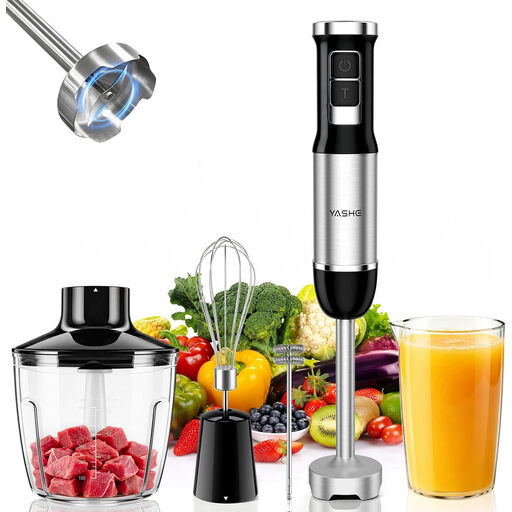
YASHE HB-4613 5-in-1 hand blender
A hand blender is worth considering for smaller batches in a suitable container.
The product title lists 1,000 W, six speeds, a turbo function, a 600-ml measuring beaker and a 500-ml chopper.
Joybuy
 No image available
ochama multifunction blender, 600 W, 1.5 l
This jug blender is an option if you’d prefer a jug to a hand blender.
The title lists 600 W, a 1.5 l capacity and three speed settings. Check that the usable capacity is suitable for your recipe.
Joybuy
 No image available
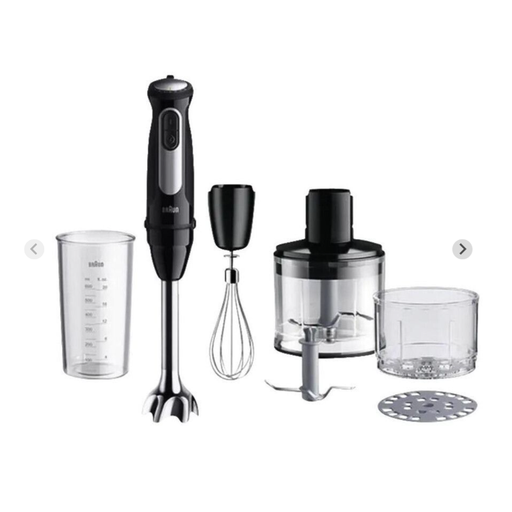
BRAUN MultiQuick Pro MQ55254M hand blender
A hand blender is worth considering if you’re preparing the dressing in a suitable container, possibly in smaller batches.
Joybuy
 No image available
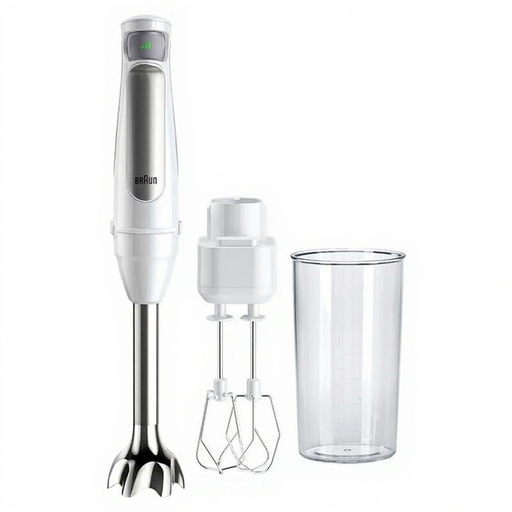
Braun MultiQuick 7 MQ7005BWH hand blender
A hand blender is a suitable option if you’re blending smaller quantities in a suitable container.
Joybuy
 No image available
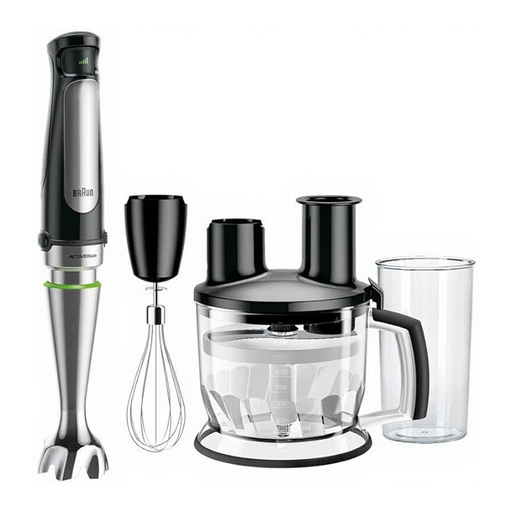
BRAUN MultiQuick 7 MQ7075X hand blender
A hand blender is one option if you can prepare the batch for freezing in suitable smaller containers.
Joybuy
Frequently asked questions
Which type of blender is right for my batch to freeze?
A jug blender is worth considering if your recipe quantity fits within its usable capacity. If you’re working with smaller containers or want to save space, a hand blender is an alternative, though you may need to blend a larger quantity in several batches.
Can the blending container go in the dishwasher?
It depends on the model and the individual part. For the PowerBlend 9 JB 9040, Braun excludes the jug from its general statement that food-contact parts are dishwasher-safe. Always follow the cleaning instructions for your specific appliance.
How should I portion and store the dressing after blending?
The German Federal Centre for Nutrition recommends using suitable freezer packaging and portions that you can take out individually when needed. Label each portion with its contents, quantity and date. This doesn’t indicate a specific storage life or guarantee that the texture of prepared avocado dressing will remain unchanged.
What rules apply in Germany to parts that come into contact with food?
Materials intended to come into contact with food are subject to EU food contact material rules, including Regulation (EC) No 1935/2004. A glass-and-fork symbol isn’t required in every case if the intended use as a food-contact item is clear.
Are a manufacturer’s guarantee and your statutory rights the same thing?
No. If a product is faulty, your statutory rights are against the seller. A guarantee is an additional, voluntary benefit, and what it covers depends on its terms and conditions.


