Small portions as and when you need them
If you want to make just a little dressing for different mealtimes, choose a container shape and design that suit your usual portion size and how you like to use it.


For small portions you make fresh each time, a hand blender with a suitable container is a natural choice. If you’d like to blend directly in a sealable cup, a compact countertop blender could be a good option. The key factors are portion size, cleaning the parts that come into contact with food, and storage: a lid doesn’t replace refrigeration if you’re eating the dressing later.
If you want to make just a little dressing for different mealtimes, choose a container shape and design that suit your usual portion size and how you like to use it.
A sealable container can save you from having to transfer the dressing. You’ll still need to plan for refrigeration and hygienic storage.
If you make dips or smoothies as well as dressing, extra versatility may be important. Remember to factor in how easy each part is to clean, too.
A good choice if: you want to blend small amounts in a suitable container and adjust the consistency as you go.
Bear in mind: the container, blending foot and splash guard need to suit what you’re making, and cleaning is still part of the process.
A good choice if: you want to prepare your dressing directly in the blending cup and seal it afterwards. WMF lists a 0.6-litre container with a screw-top lid for the Kult X Mix & Go; Philips lists dips as one of the HR2602/01’s uses.
Bear in mind: the stated container capacity doesn’t tell you whether the blades can blend just a few spoonfuls of thick dressing effectively. The sealed cup won’t keep it chilled.
A good choice if: you regularly make other recipes as well as dressing and want a larger cup to take on the go. The manufacturer lists a 700 ml cup for the nutribullet Original 600 NB603B and includes dips among its suggested uses.
Bear in mind: a larger cup can be impractical for just a few spoonfuls of dressing. The manufacturer says the NB603B blade should be washed by hand.
When choosing a blender for avocado dressing to enjoy with a later meal, focus on what matters most to you: small portions, storage, cleaning or making other recipes.
| What matters | What to check before buying | Who is it important to? |
|---|---|---|
| Small portions | Container shape, minimum fill level and whether the blades can reach the amount you usually make. | If I’m only making the amount I need right now, the container should suit the portion. Around 36% of consumers prioritise small portions. |
| Storing it for later | Plan for a suitable, sealable food container and room in the fridge. | If I’m making dressing ahead of a later meal, I need suitable storage and refrigeration. Around 29% of consumers prioritise preparation and storage when making this choice. |
| Cleaning | Check the instructions for the exact model to see which parts are removable and dishwasher-safe. | If you blend often or in several batches, you’ll want the parts that come into contact with food to be easy to clean. Around 21% of consumers focus on how much cleaning is involved. |
| Consistency and other recipes | Check the uses and controls listed for the specific model against the recipes you make. | If I make other recipes as well as dressing, suitable uses and settings are important. Around 14% of consumers prioritise this versatility. |
A lid helps to seal the container, but it won’t keep perishable ingredients chilled. Germany’s Federal Institute for Risk Assessment recommends storing perishable foods covered in the fridge at between 2°C and no more than 7°C.
Whichever blender you choose, plan to keep the dressing chilled until you eat it.
A container’s capacity alone doesn’t tell you whether the blades can reach just a few spoonfuls of thick dressing.
Check the minimum fill level, blade position and container shape for the specific model. For very small amounts, a hand blender in a suitable container may also be an option.
Cleaning instructions can vary between parts. For the nutribullet NB603B, the manufacturer says to wash the blade by hand, while the cup and other attachments are described as dishwasher-safe.
Check the instructions for each part and only put components in the dishwasher if they’re specifically approved for it.
The Kult X Mix & Go is a compact countertop blender with a 0.6-litre container and screw-top lid, according to the manufacturer.
Philips lists the Daily Collection HR2602/01 as a mini countertop blender and names dips as one of its possible uses.
The MultiQuick 5 MQ50236M is a hand blender set. Braun lists a measuring beaker, a 500 ml chopper and a whisk.
The manufacturer also recommends the Original 600 NB603B for dips and describes it as coming with a 700 ml cup to take on the go.
This selection includes hand blenders for blending in a suitable container, as well as a mini countertop blender with sealable containers.
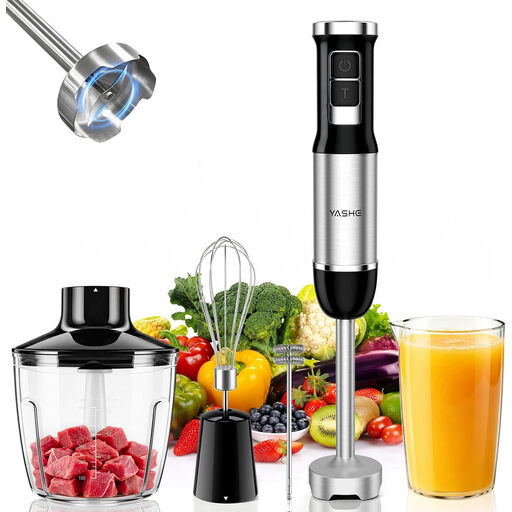 No image available
For making dressing in a suitable container; product information says a 600 ml measuring beaker is included.
Six speed settings and a turbo function are listed in the product name.
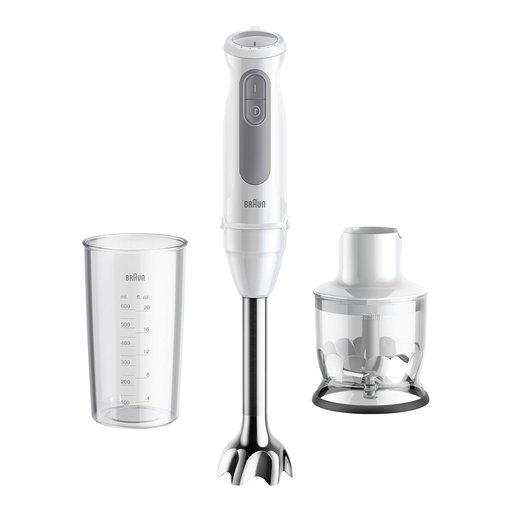 No image available
For blending dips or sauces in a suitable container; product information lists a 600 ml beaker.
Features include 21 speed settings, a turbo setting and a splash guard. A chopper is listed as an accessory.
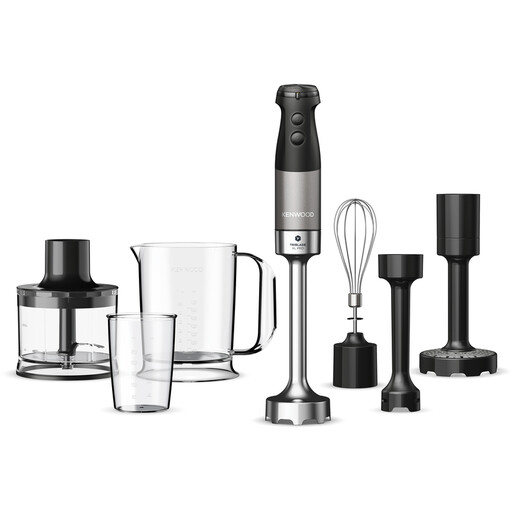 No image available
For sauces where an emulsifying attachment suits your recipe; product information says a measuring beaker is included.
Variable speed and a turbo function are listed. Follow the relevant cleaning instructions for removable, dishwasher-safe parts.
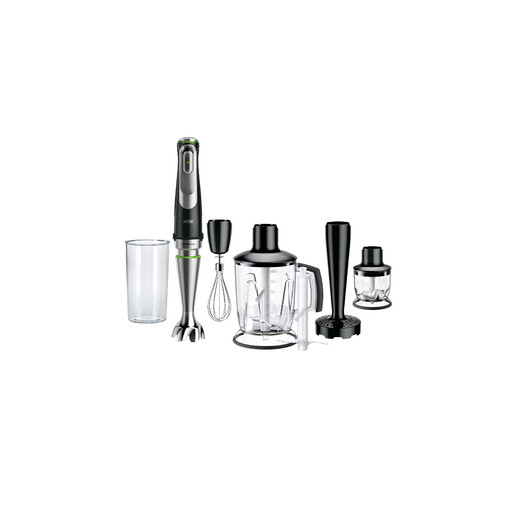 No image available
For blending in a suitable container; product information says a 600 ml blending and measuring beaker is included.
Features include two power settings, a pulse function and SmartSpeed control. The set also includes several attachments, including a chopper.
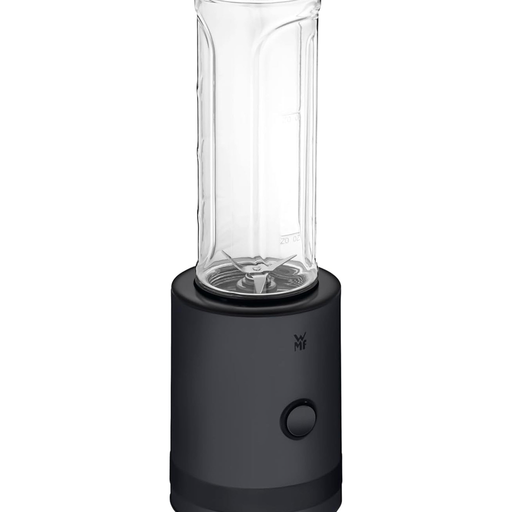 No image available
For blending directly in the cup and sealing it afterwards; two blending and drinking containers with screw-top lids are listed.
Product information lists four stainless steel blades and 300 W. A sealed container doesn’t replace refrigeration: Germany’s Federal Institute for Risk Assessment recommends storing perishable foods in the fridge at between 2°C and no more than 7°C.
No. The lid alone won’t keep the dressing chilled. Germany’s Federal Institute for Risk Assessment recommends storing perishable foods covered in the fridge at between 2°C and no more than 7°C. How long homemade dressing will keep doesn’t depend on which blender you choose.
Not necessarily. If you can blend small portions fresh, you don’t need to store prepared dressing for a long time before eating it. The Verbraucherzentrale recommends keeping ripe or cut avocado in the fridge for as short a time as possible and suggests lemon juice to help prevent browning. This doesn’t guarantee how long dressing will keep.
That depends on the model and the individual part. For the nutribullet NB603B, the manufacturer says to clean the blade with soap and water, and describes the cup and other attachments as dishwasher-safe. Braun refers to the instructions for information about dishwasher-safe parts.
The European Commission lists electrical and electronic equipment among the product groups covered by relevant CE rules; the manufacturer is responsible for ensuring conformity. EU Regulation (EC) No 1935/2004 sets out general principles for materials that come into contact with food. A CE mark or product description alone doesn’t prove that a particular cup is suitable for every type of storage or use.