Small portions of dressing
If you mainly make small amounts of avocado dressing or dips, look for a suitable working capacity and check whether the appliance can blend or purée.


For small portions of avocado dressing, a mini chopper with a dedicated blending or purée function is a good place to start; if you already have a hand blender and a suitable container, you may not need to buy anything new. A food processor is more worthwhile if you also regularly want to chop or grate vegetables and have room for the bowl and accessories. Check the exact model variant against your recipe quantity, preferred consistency and what’s included.
If you mainly make small amounts of avocado dressing or dips, look for a suitable working capacity and check whether the appliance can blend or purée.
If you’re short on worktop or storage space, consider the appliance and its accessories together. Also check whether a hand blender you already own will do the job with a suitable container.
If you also regularly want to chop or grate ingredients, a food processor could be a good fit. Remember to allow space for the bowl and accessories, and factor in cleaning them too.
| Buying consideration | What should you check? | Who is it most relevant to? |
|---|---|---|
| Portion size and consistency | Check for a purée or blending function, guidance on working capacity and, if relevant, an opening for adding liquid. | If I mainly make a small amount of dressing, I want to control the consistency and process the right quantity for my recipe. Around 36% of consumers put this consideration first. |
| Space required | Measure the available worktop and storage space, allowing for the appliance as well as the bowl, blades and discs. | While renovating my kitchen, I want to be able to store the appliance and accessories without permanently losing worktop space. Space is a priority for around 29% of consumers. |
| Other preparation tasks | Check that the accessories included with the exact variant cover the blades and slicing and grating discs you regularly need. | If I regularly want to chop or grate vegetables as well as make dressing, I need the right tools for the job. Around 21% of consumers prioritise these additional tasks. |
| Cleaning | Check the care instructions for every part, and distinguish removable, dishwasher-safe parts from the motor unit. | If I prepare food frequently, I want to know which parts need cleaning after contact with ingredients and how to clean them. Around 14% of consumers pay particular attention to the cleaning involved. |
For the Kenwood FDM72.990SS, the manufacturer gives a bowl capacity of 3.0 l and a separate working capacity of 1.5 l for liquids. These figures mean different things.
Check the working capacity and filling guidance for the exact variant, taking your ingredients and recipe quantity into account.
Slicing and grating discs aren’t a proven advantage if all you need is a small portion of dressing. Extra parts take up space and need cleaning.
Think about which tasks you regularly do in addition to blending, then check that they’re covered by what’s included with the exact model.
Features and cleaning instructions can vary between versions. Information about one set doesn’t automatically apply to other models in the same range.
Compare the full model code and what’s included, and read the care instructions for every part you use.
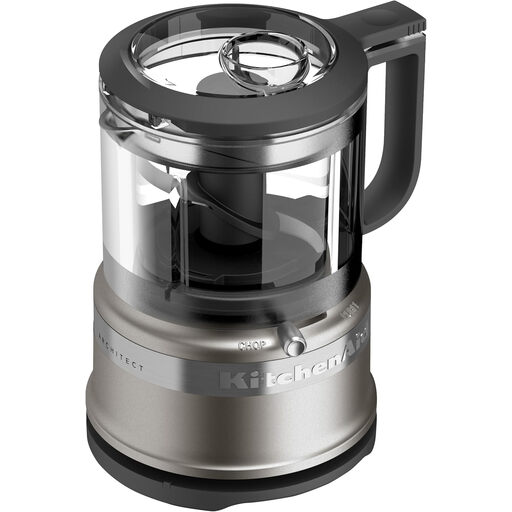
The manufacturer describes the 5KFC3516 mini chopper as suitable for small quantities, dips, sauces and dressings.
The documented models range from the Duo Prep CHP80.000SI and MultiPro Go FDP23.140GY to the MultiPro XL Weigh+ FDM72.990SS.
The MultiQuick MQ50236M set is one possible alternative if you want a small chopper as well as a blending wand.
The MultiTalent 3 Plus range features food processors with tools for a variety of preparation tasks.
Philips offers choppers for chopping tasks, and lists dips and sauces as possible uses for one of its models.
This selection includes appliances for puréeing and chopping, as well as a food processor. Decide whether you’ll mainly be making dressing or whether you’ll also be doing other preparation tasks.
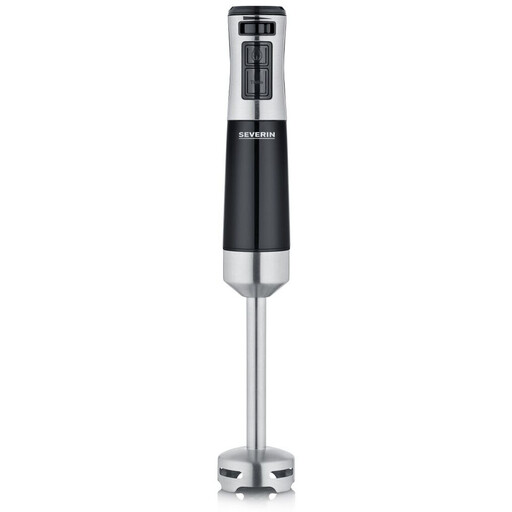 No image available
For dips and sauces, if a removable blending wand and stepless speed control suit your needs.
The removable parts are described as dishwasher-safe. Don’t immerse the motor unit, cable or plug in water. Unplug the appliance before cleaning it or removing any parts.
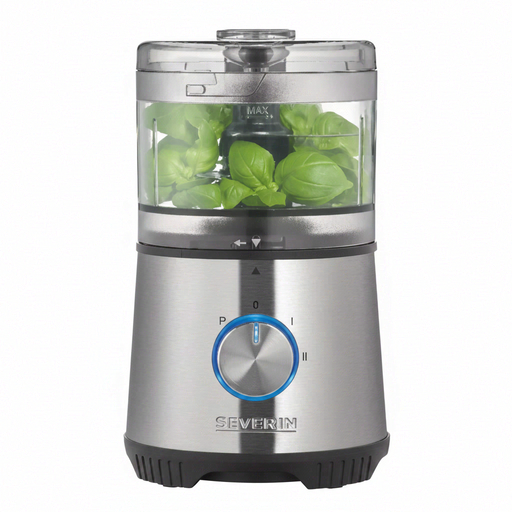 No image available
The product description lists an emulsifying disc for sauces, dips and mayonnaise, along with two speeds and a pulse function.
Take note of the maximum fill line and handle the sharp blades with care. Don’t immerse the motor base in water or any other liquid.
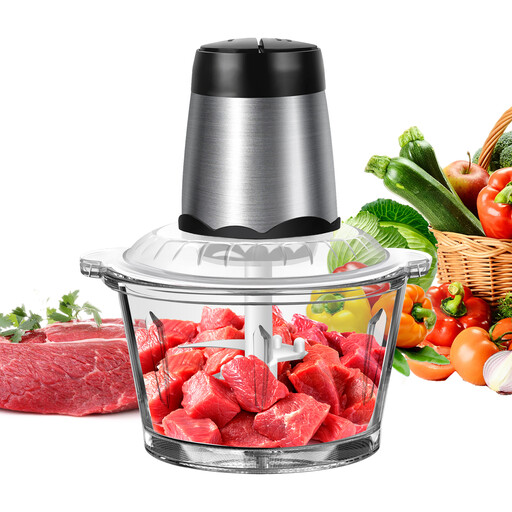 No image available
The product description lists puréeing and blending fruit and vegetables, as well as two speeds and a pulse function.
It comes with a glass bowl and stainless steel blades. Don’t exceed the maximum fill line, and take care when handling the blades.
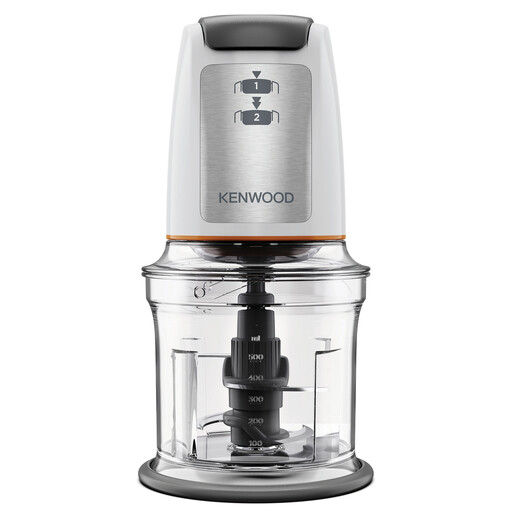 No image available
The product description lists dips, sauces and purées as possible uses, and includes two speed settings and a purée function.
The product details give the bowl capacity as 0.5 l. Check the working capacity guidance for your recipe.
 No image available
If you’re making dressing, check whether the purée setting and option to add liquid suit your recipe.
According to the product description, the appliance isn’t designed for ice cubes, coffee beans or whole hard spices, and shouldn’t be run continuously for extended periods.
Compare your recipe quantity with the working capacity and filling guidance for the specific appliance. For example, Kenwood gives a bowl capacity of 3.0 l for the FDM72.990SS and separately lists a liquid working capacity of 1.5 l; these figures aren’t interchangeable.
Follow the instructions for the blades, attachments and all the parts you clean. The German Federal Institute for Risk Assessment recommends washing raw herbs and other raw vegetables thoroughly with drinking water before eating them. Pre-cut fruit and vegetables should be kept chilled and eaten promptly. These are food hygiene recommendations, not performance features of an appliance.
Your statutory rights against the seller are separate from any voluntary manufacturer’s guarantee. According to the Verbraucherzentrale, if a product is faulty, the first remedy is to have it repaired or replaced.
The EU legal framework for food contact materials applies to parts intended to come into contact with food. The European Commission’s Low Voltage Directive applies to electrical equipment within its specified range of 50 to 1,000 V AC. CE marking is a declaration made by the manufacturer, not a safety inspection by a public authority; without product-specific documentation, it isn’t possible to determine whether an individual product listing is compliant.