
Lieferung heute & morgen

Qualitätsgarantie

Willkommens-Angebote freischalten: KOSTENLOSE Lieferung | Bis zu 80 % RABATT | Kostenlose 30-Tage-JoyPlus-Testphase
App herunterladen
Anyone who spends many hours at a desk every day knows the consequences of an unsuitable chair: neck tension, lower back pain, and progressively poor posture. An ergonomic office chair is not a luxury item, but a necessary investment in your health. However, the market is flooded with products whose marketing promises often suggest more than the mechanics actually deliver.
This guide will help you identify the crucial features and avoid common purchasing traps. We focus on the objective criteria that make a chair truly ergonomic and show you what to look for to make an informed decision for your home office or workplace.
Many chairs are advertised as "ergonomic," but the term is not protected. This leads to costly purchasing mistakes. Pay special attention to these three points:
To make a desk chair ergonomic, its components must be individually adjustable to your body. Three parameters are non-negotiable.
A high-quality office chair with lumbar support should offer more than just a fixed curve. Look for a model with a dynamic or self-adaptive lumbar support. This feature adapts to your movements and continuously supports your lower back, whether you are sitting upright or leaning back. Ideally, the support is also adjustable in height and depth to be precisely tailored to your anatomy.
Armrests are crucial for relieving strain on the neck and shoulder area. While basic models only offer height adjustment, 3D or 6D adjustable armrests allow for adjustment in multiple directions:
The seat depth adjustment is equally important. It ensures there is a gap of about three fingers' width between the front edge of the seat and the back of your knees. This promotes a stable sitting position and good blood circulation in the legs.
The maximum weight capacity is an indicator of the construction's robustness. An office chair with a 150 kg capacity suggests a sturdy frame and durable mechanics. Pay attention to information about the materials used, such as a steel or aluminum base instead of simple plastic. Certifications like T?V and BIFMA give you the assurance that the chair has been tested for stability, load-bearing capacity, and freedom from harmful substances—a must for any home office chair that is used daily.
Based on the criteria above, we have identified a few models suitable for different needs.
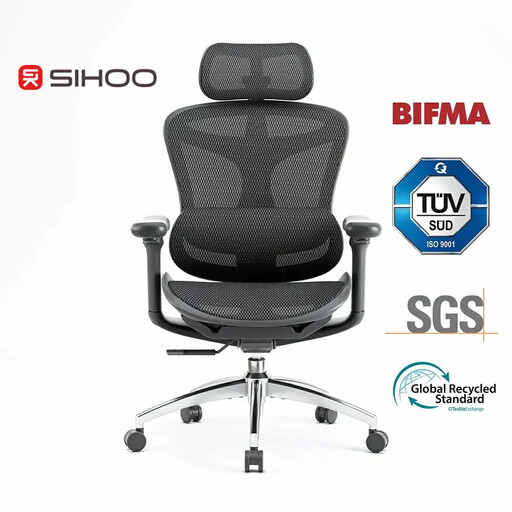
Why This Fits Their Persona: Ideal for users seeking a solid ergonomic foundation without unnecessary frills. It offers all the essential adjustments for a healthy workday in the home office.
This model avoids the rigid lumbar support trap with a self-adaptive system that adjusts to the user's movements. The 3D armrests offer far more adjustability than standard chairs.
Intelligent, weight-sensitive tilt mechanism and a weight capacity of up to 150 kg. Meets standards like T?V and BIFMA, which objectively confirms the quality of materials and manufacturing.
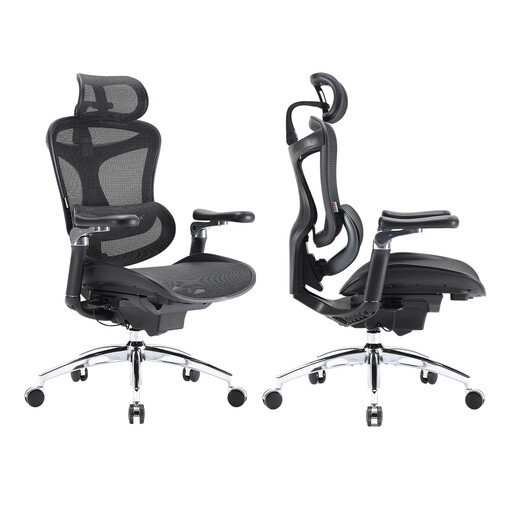
Why This Fits Their Persona: Perfect for individuals who spend more than eight hours a day at their desk and require maximum adjustability to relieve strain on their shoulders, arms, and legs.
This Pro model escapes the trap of inadequate adjustments by featuring 6D-adjustable armrests and integrated seat depth adjustment. These features are often found only in much more expensive chairs.
The ultra-soft 6D armrests allow for precise arm positioning, effectively relieving shoulder strain. The seat depth adjustment ensures an optimal fit for any thigh length.
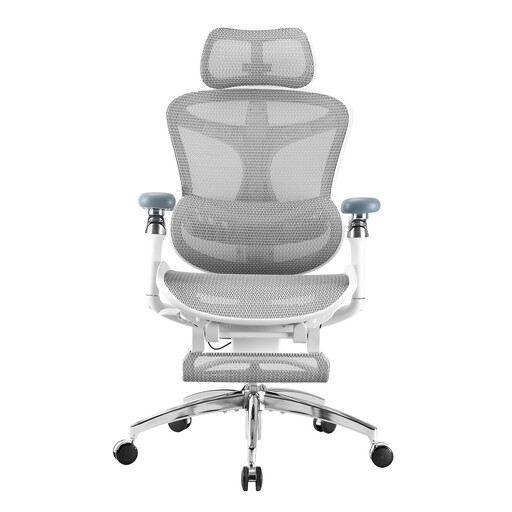
Why This Fits Their Persona: For users who value breaks and relaxed seating positions during long workdays. The integrated footrest allows for comfortable reclining.
Instead of an overrated, impractical feature, the retractable footrest offers real added value. It is seamlessly integrated into the design and meaningfully complements the chair's recline function.
Combines the advanced ergonomic features of the Pro model (6D armrests, seat depth) with an integrated footrest for maximum relaxation during breaks.
We have compiled a complete, up-to-date list of products that fully meet these strict selection criteria and relevant safety regulations.
Proper adjustment is crucial for ergonomic benefit. Start with the seat height: your feet should be flat on the floor with your knees at an approximately 90-degree angle. Adjust the seat depth so there is a 2-3 finger-width gap between the back of your knee and the front edge of the seat. The lumbar support should fill the natural curve of your lower back. Finally, set the armrests so your forearms rest horizontally with your shoulders relaxed.
The lifespan heavily depends on material quality and frequency of use. Models with a steel frame, an aluminum base, and certified components (e.g., according to BIFMA standards) are designed for long-term use and often last 5 to 10 years with normal use. Pay attention to the warranty period provided by the manufacturer; a warranty of three years or more is a good sign of the manufacturer's confidence in their product.
Both materials have their pros and cons. A mesh back, like those on the SIHOO models, is particularly breathable and prevents heat buildup, which is advantageous in warmer environments or for people who tend to sweat. A cushioned back can feel softer and often provides a more enveloped sensation. The choice ultimately comes down to personal preference and the room's climate.