
Lieferung heute & morgen

Qualitätsgarantie

Willkommens-Angebote freischalten: KOSTENLOSE Lieferung | Bis zu 80 % RABATT | Kostenlose 30-Tage-JoyPlus-Testphase
App herunterladen
The right gear can make the difference between a great adventure and a frustrating experience. But the outdoor accessory market is full of marketing promises that often fail to deliver in practice. Before you invest, it's crucial to understand the common pitfalls that can lead to disappointment and unnecessary expenses.
Three common problems when choosing outdoor sports accessories are:
To make an informed purchasing decision, you should focus on objective features rather than advertising claims. Pay attention to the following three core parameters to ensure your new outdoor accessories serve their purpose.
The terms water-repellent and waterproof are not interchangeable. Water-repellent materials are treated with a coating that causes light rain to bead off but becomes permeable during sustained rain or under pressure. Truly waterproof products, like a waterproof cycling backpack should be, use sealed seams and membranes that prevent water from penetrating even under pressure. For waterproof ski gloves, this is crucial for keeping hands dry and warm.
The same applies to UV protection clothing. Instead of relying on general statements, you should look for the Ultraviolet Protection Factor (UPF). A UPF rating of 50+, for example, means that less than 1/50th of UV radiation penetrates the fabric. Specialised products like cooling arm sleeves or a women's visor cap often provide a defined UPF rating and are designed for protection during intense sun exposure.
Good design is measured by its real-world usability. For a backpack, it's not just the total volume that matters, but how it can be used. A roll-top backpack, for instance, offers a variable volume that can adapt to its contents—ideal for the commute to work and grocery shopping afterwards. Separate, padded compartments for laptops and tablets, as well as easily accessible external pockets for a water bottle or umbrella, are also important. A well-thought-out design allows for quick access to contents without having to empty the entire backpack.
Comfort is not a luxury but a necessity, especially for accessories worn for hours. For women's sun protection sleeves, a non-slip yet non-restrictive cuff ensures comfort during movement. For headwear like visor caps, an adjustable headband and a moisture-wicking sweatband are essential to prevent pressure points and overheating. The fit should be tailored to the specific activity and allow for unrestricted freedom of movement.
Based on these objective criteria, we have identified some products that represent a considered choice for specific user profiles.
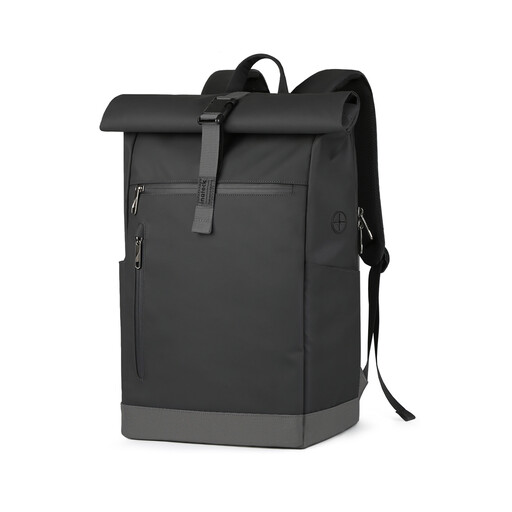
Why This Fits Their Persona: Ideal for commuting to university or the office. The backpack combines flexible storage capacity with thoughtful organisation for tech devices and everyday items.
It bypasses the design trap with two access options (roll-top and back zipper) and numerous compartments. The "splash-proof" claim, achieved through a fabric with a water-repellent film, is an honest feature sufficient for daily city life.
Variable volume from 25 to 30 litres and a padded compartment for laptops up to 17 inches.
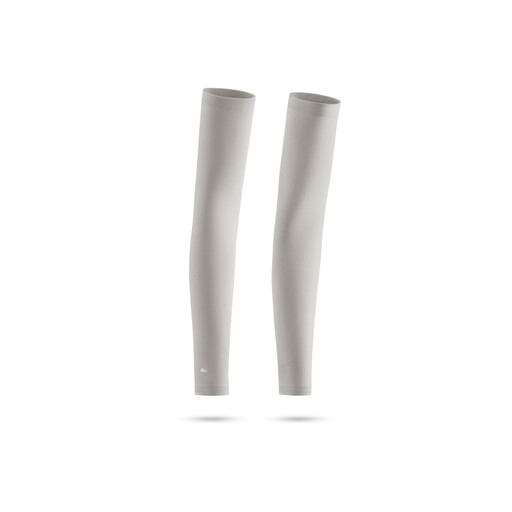
Why This Fits Their Persona: Perfect for cyclists, runners, or hikers who want effective and comfortable arm protection on sunny days without having to wear a long-sleeved jacket.
These arm sleeves go beyond a vague UV protection promise. They are designed as specialised UV protection clothing, offering a functional solution tailored to the needs of athletes.
The material is designed for a cooling effect, which increases comfort in the heat. Can be combined with a Visor Cap for comprehensive protection.

Why This Fits Their Persona: Designed for skiers and snowboarders who need reliable protection from cold and moisture. The mittens are built for durability and functionality in the snow.
These gloves avoid the "waterproof" trap with a construction explicitly designed for winter sports. The use of materials like 3M insulation and Kevlar reinforcements are objective indicators of warmth and durability.
The combination of a waterproof outer layer and 3M Thinsulate insulation ensures dry and warm hands in winter conditions.
We have compiled a comprehensive, up-to-date list of products that meet these strict selection criteria and applicable safety regulations.
1. How can I identify truly waterproof outdoor accessories? Look for product descriptions that go beyond the term "waterproof." Features like sealed or welded seams are a strong indicator. For textiles, waterproofness is often indicated by the water column rating (or hydrostatic head) in millimetres. A value of 1,500 mm or more is considered waterproof according to DIN standards, but for demanding conditions, higher values (10,000 mm or more) are recommended.
2. How do I properly care for UV protection clothing to maintain its effectiveness? Always read the manufacturer's care label. As a rule, UV protection clothing should be washed at low temperatures. Avoid fabric softeners and bleach, as they can damage the fibres and the integrated protection. Air drying is often gentler than using a tumble dryer. The protection factor is usually permanently integrated into the fabric but can diminish with improper care or heavy wear.
3. Is a roll-top backpack practical for daily use? Yes, for many users, a roll-top backpack is very practical. Its main advantage is its flexibility in volume. You can use it compactly for your daily commute or expand it to carry groceries or gym clothes. Models with an additional side or back zipper for main compartment access are particularly convenient, as they allow for quick access without having to open the roll-top closure.