
Lieferung heute & morgen

Qualitätsgarantie

Willkommens-Angebote freischalten: KOSTENLOSE Lieferung | Bis zu 80 % RABATT | Kostenlose 30-Tage-JoyPlus-Testphase
App herunterladen
Solar garden lights promise a simple, cost-effective way to illuminate paths, enhance security, or create an inviting atmosphere—all without laying cables or incurring extra electricity costs. However, not every product lives up to its advertising. Many buyers are quickly disappointed by dim light, short runtimes, or weather-related failures.
As your Joybuy Product Recommendation Officer, I'm here to help you cut through the noise. We'll shine a light on three common pitfalls and show you which technical features to look for to find durable, functional lighting for your outdoor space.
Before you make a purchase, you should be aware of the typical weaknesses that often only become apparent after a few weeks in your garden.
To avoid these problems, pay close attention to a few key technical specifications when choosing your solar garden lights. These will give you an objective basis for your decision.
The IP (Ingress Protection) rating indicates how well an electrical device is protected against the intrusion of foreign objects and water.
The performance of a solar light depends directly on its energy storage and charging efficiency.
Don't be guided by the wattage; focus on the luminous flux.
Based on these objective criteria, we have selected a few models for different applications and user profiles.
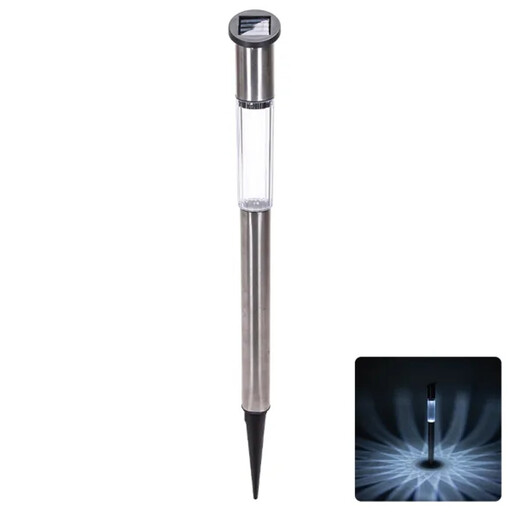
Why This Fits Their Persona: Ideal for marking paths or flowerbeds where high brightness isn't needed, but a simple, cost-effective orientation guide is. Installation is incredibly simple.
Although rated at IP44, it's well-suited for decorative purposes with proper placement (e.g., in areas less exposed to rain). The stainless steel construction offers more stability than all-plastic models.
Simple installation as solar lights with ground stakes; cool white light (6500K) for clear visibility; polycrystalline silicon panel for reliable charging.
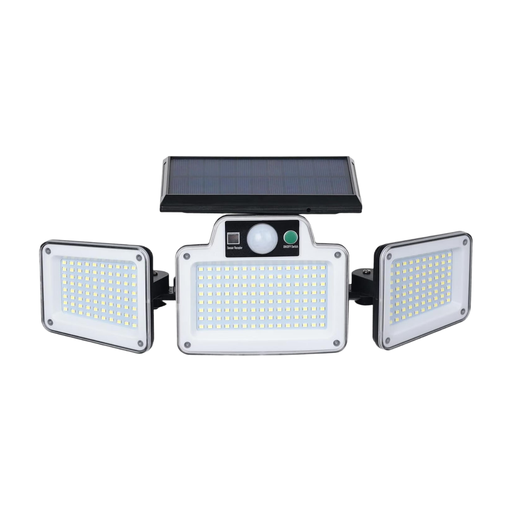
Why This Fits Their Persona: Perfect for users who want to reliably illuminate unlit areas like driveways, garages, or dark corners of the garden to enhance security.
With an IP65 rating, this spotlight is fully protected against water jets. The 280 LEDs and motion sensor solve the problem of insufficient brightness, delivering light only when needed, which conserves the 2400mAh battery.
Three adjustable light heads for wide illumination; separate outdoor solar spotlight with a long cable for optimal panel positioning; three operating modes via remote control.
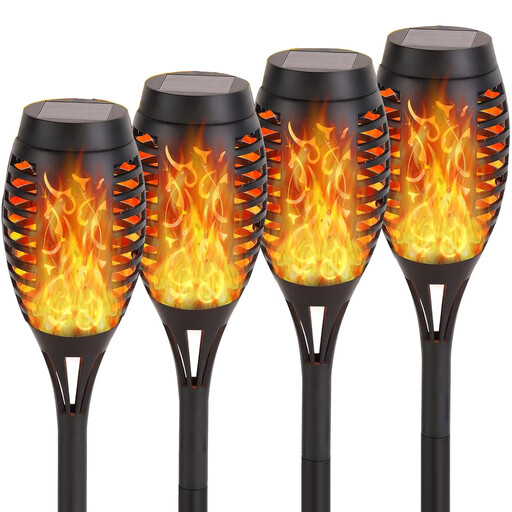
Why This Fits Their Persona: For anyone looking to create a warm, inviting atmosphere reminiscent of real torchlight—ideal for patios, parties, or as a decorative element in a flowerbed.
These solar garden torches combine aesthetics with durability. The IP65 certification ensures the realistic flame effect is preserved even after heavy rain, a common failure point for cheaper decorative lights.
Realistic, dancing flame effect; automatic on/off function; simple installation as solar lights with ground stakes; comes in a convenient 4-pack.
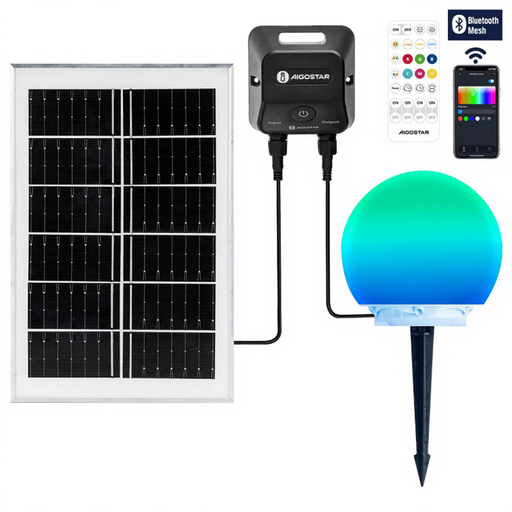
Why This Fits Their Persona: For users who want full control over their garden lighting, create light scenes, and manage everything conveniently via an app to achieve a fully connected smart garden lighting setup.
This system bypasses the limitations of simple solar lights through smart control. The brightness, colour (RGBCCT), and schedules are customisable, ensuring the energy from the powerful 4000mAh battery is used optimally.
Control over 200 lights via Bluetooth-Mesh; full colour and white tone control (2700K-6500K); separate 5W monocrystalline solar panel for maximum charging efficiency.
We have compiled a comprehensive, up-to-date list of products that meet these strict selection criteria and current safety standards.
The lifespan is determined by two components: the LED and the battery. The LEDs themselves are very durable, often lasting 15,000 hours or more. The weak point is the battery, which loses capacity after about 1 to 3 years, depending on quality and use. Look for models with a replaceable battery to extend the life of the light.
Yes, outdoor solar lights also work in winter and on cloudy days, but with reduced performance. The shorter days and lower sun angle mean less charging time. As a result, the runtime per night will be shorter. Models with high-efficiency monocrystalline panels and large batteries are better suited for year-round use.
For maximum charging, the solar panel should receive at least 6 to 8 hours of direct sunlight daily. A south-facing location without shade from trees, walls, or buildings is ideal. Also, avoid placing them near other strong light sources (e.g., streetlights), as their light can interfere with the dusk sensor and prevent the solar light from turning on automatically.