
Lieferung heute & morgen

Qualitätsgarantie

Willkommens-Angebote freischalten: KOSTENLOSE Lieferung | Bis zu 80 % RABATT | Kostenlose 30-Tage-JoyPlus-Testphase
App herunterladen
Choosing the right bakeware often determines whether a recipe is a success or a failure. But the market is overwhelming, filled with promises that aren't always kept. The wrong pan can not only compromise your baking results but also lead to frustration in the kitchen. Before you purchase a new cake pan or an entire bakeware set, it's crucial to know the common pitfalls to make an informed decision.
This guide highlights the critical points often overlooked when buying bakeware and helps you find a product that truly meets your needs.
Many baking pans look promising on the shelf but reveal their weaknesses only after you start using them. Watch out for these three common problems to avoid disappointment.
To sidestep the pitfalls mentioned, you should focus on the objective features of a baking pan. Material and pan type are the two most important factors that directly influence the baking outcome.
The material determines how evenly heat is distributed and how easily the baked goods can be released from the pan.
The shape of a pan is not just a matter of aesthetics but also of function.
Here are some recommendations tailored to different needs and use cases.
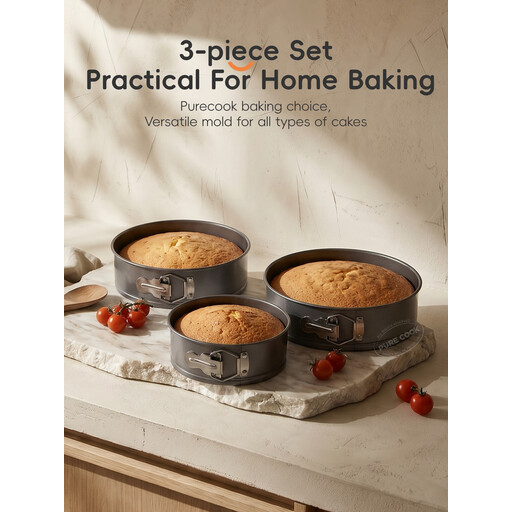
Why it's a great fit: Ideal for those who bake occasionally and want to be equipped for different cake sizes without buying multiple individual pans. This set covers the most common recipe sizes.
Sidesteps the "Impractical Design" trap: The buckle mechanism is designed for easy cake release and, according to the manufacturer, prevents batter leakage.
The set includes three springform pans in the popular diameters of 18 cm, 20 cm, and 24 cm. The material is carbon steel, known for good heat conduction.
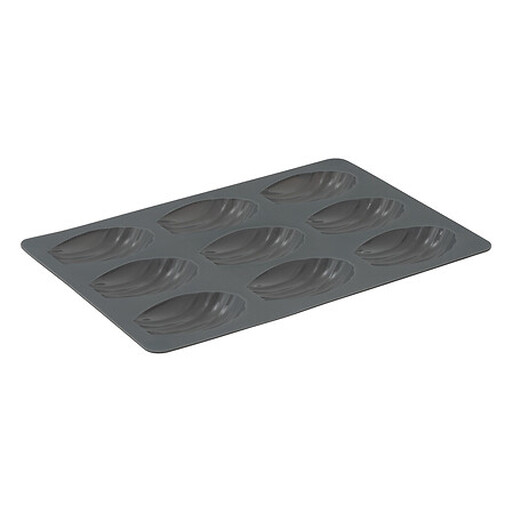
Why it's a great fit: Perfect for bakers venturing into specialised French pastries. The mould is precisely designed for making madeleines with their characteristic shell shape and signature "hump."
Solves the "Material Misconception": For delicate, detailed pastries like madeleines, flexible silicone is the ideal material as it allows for damage-free release of the intricate shape.
The mould features precisely crafted shell cavities for an authentic result. The food-grade silicone allows for easy demoulding without heavy greasing.
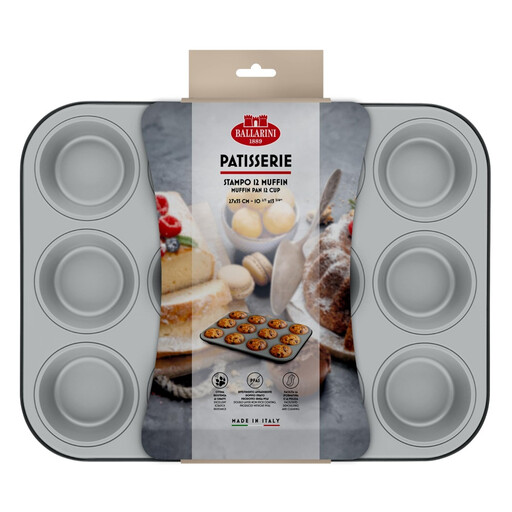
Why it's a great fit: With 12 cups, this pan is ideal for baking a larger batch of muffins or cupcakes for the family, parties, or bake sales all at once.
Addresses the myth of the short-lived non-stick coating. According to the manufacturer, it uses a two-layer, PFAS-free non-stick coating, suggesting greater durability and food safety.
The carbon steel construction ensures even heat distribution for consistent baking results across all 12 cups. The pan is heat-resistant up to 230°C.
We've compiled a complete, up-to-date list of products that fully meet these strict selection criteria and UK safety regulations.
1. How do I properly care for a non-stick baking pan to make it last? To extend the life of a non-stick coating, you should wash the pan by hand with warm water and a soft sponge. Avoid metal utensils and abrasive cleaning agents. Most manufacturers advise against cleaning in the dishwasher, as harsh detergents and high temperatures can damage the coating.
2. Is a silicone baking mould better than a metal one? No single material is universally "better"; it depends on the intended use. Silicone is unparalleled in flexibility and makes releasing baked goods easier, especially with complex shapes. Metal, particularly carbon steel, conducts heat more efficiently, ensuring better browning and crispier crusts, which is desirable for many cakes and breads.
3. Do I need to grease a silicone mould before the first use? Although silicone moulds are known for their excellent non-stick properties, many manufacturers recommend washing the mould and lightly greasing it with oil or baking spray before its first use. This conditions the surface and can optimise the initial baking result. For subsequent uses, this is often no longer necessary, depending on the type of batter.