
Lieferung heute & morgen

Qualitätsgarantie

Willkommens-Angebote freischalten: KOSTENLOSE Lieferung | Bis zu 80 % RABATT | Kostenlose 30-Tage-JoyPlus-Testphase
App herunterladen
As a dog owner, you want to give your canine companion the very best. A small reward between meals, a motivating dog snack during training, or a long-lasting dog chew to keep them occupied—dog treats are an integral part of daily life. However, the market is overwhelming and full of marketing promises that often obscure more than they clarify. Making the wrong choice can not only strain your wallet but also negatively impact your dog's health.
This guide will help you recognise the most common pitfalls and make an informed choice that is perfectly tailored to your dog's needs.
Before you reach for the next product, you should be aware of the most common traps that lead to poor purchasing decisions.
To avoid these traps, focus on three objective parameters that will help you assess a product's quality and suitability.
The ingredients list is the most important tool in your decision-making process. Look for a clear and transparent declaration.
The purpose determines the type of treat. Consider what you primarily want to use the reward for dogs for.
Bulk packs, like those often available for the Vitakraft Beef Stick, may seem expensive at first glance but often offer significantly better value for money per unit. This is particularly relevant if you use treats daily for training. Always compare the price per 100 grams or per piece to determine the true value.
Here are some recommendations tailored to different dog owner profiles, taking the aforementioned criteria into account.
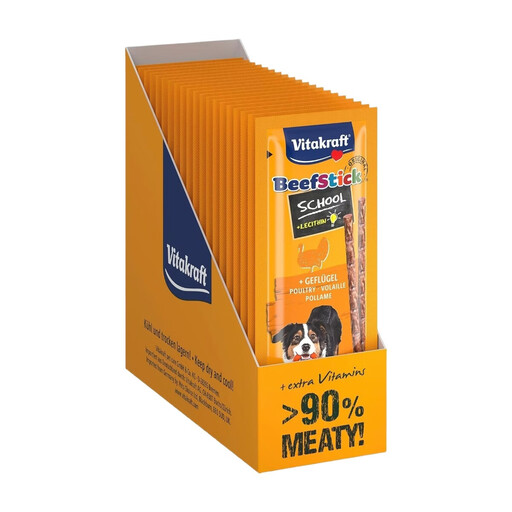
Why it fits the profile: Ideal for dog school or frequent training at home. The extra-thin sticks are a quick reward, and the bulk pack of 200 pieces ensures a long-lasting supply at a predictable price.
This product avoids the "wrong treat for the wrong purpose" trap. It is explicitly designed as a dog training treat – small, quick to eat, and motivating.
According to the manufacturer, Vitakraft, lecithin is added to support concentration. The high meat content of over 92% ensures high acceptance.
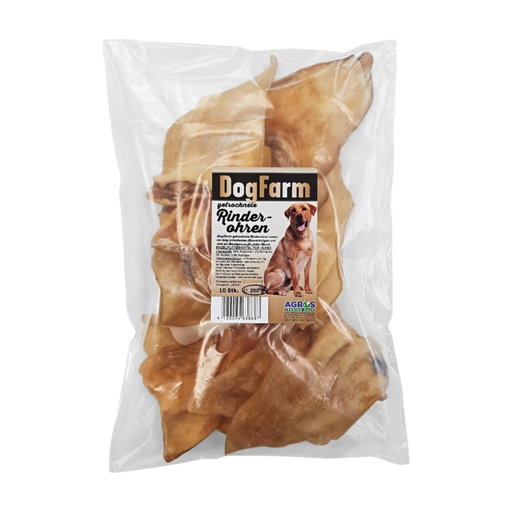
Why it fits the profile: For owners seeking a natural, long-lasting activity for their dog that also supports dental care. Suitable for dogs of all sizes who love to chew intensively.
This product avoids the "Health" trap. It consists of just one ingredient: 100% dried beef ears. There are no hidden sugars, fillers, or artificial additives.
A pure natural chew that is low in fat (3% crude fat) and high in protein (64% crude protein). The chewing action mechanically supports dental cleaning.
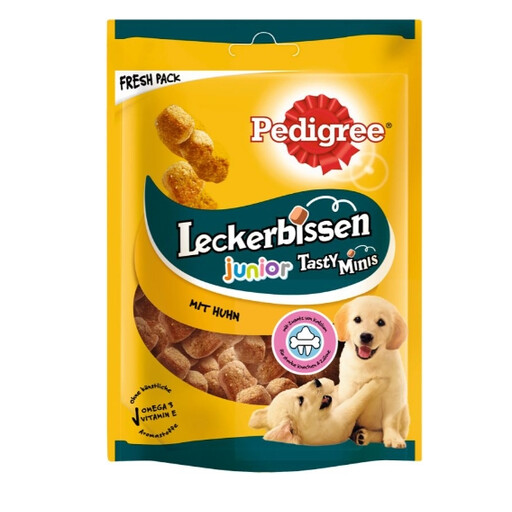
Why it fits the profile: Specially developed for the needs of growing dogs. The soft texture is suitable for young dogs, and the size is ideal for early training and rewards.
This product is a clear example of a purpose-specific treat. It avoids the risk of giving a puppy an unsuitable adult snack that might be too hard or incorrectly portioned.
According to the manufacturer, Pedigree, these puppy treats are enriched with calcium to support the development of teeth and bones. They also contain Omega-3 fatty acids.
We've compiled a complete, real-time list of products that fully meet these strict selection criteria and German regulations.
1. How many treats can my dog have per day? A common rule of thumb is that treats should not make up more than 10% of a dog's daily calorie intake. Always follow the feeding recommendations on the packaging and reduce the main meal accordingly to prevent weight gain. Fresh water should always be available.
2. Are grain-free dog treats always the better choice? Not necessarily. Grain-free dog treats are primarily crucial for dogs with a diagnosed grain allergy or intolerance. For most dogs, high-quality, well-processed grains in moderation are not a problem. More important than simply avoiding grain is an overall high-quality and transparent composition without sugar and unnecessary fillers.
3. How can I identify high-quality dog chews? High-quality dog chews are often natural chews made from a single ingredient, such as dried beef ears, scalp, tripe, or pizzle. Ensure they are gently air-dried and free from chemical additives, preservatives, or bleaching agents. Products of European origin are generally subject to stricter controls.