
Lieferung heute & morgen

Qualitätsgarantie

Willkommens-Angebote freischalten: KOSTENLOSE Lieferung | Bis zu 80 % RABATT | Kostenlose 30-Tage-JoyPlus-Testphase
App herunterladen
The diverse world of Asian teas is becoming increasingly popular in Germany. From spicy Korean ginger tea to delicate Japanese green tea, the selection is vast and tempting. However, shopping online comes with potential pitfalls that can lead to disappointment. Those looking to buy Asian tea often encounter vague product descriptions, misleading claims of authenticity, or unexpectedly high sugar content.
This guide will help you navigate these challenges. We'll show you which objective criteria to consider to make an informed purchasing decision and find authentic, high-quality teas that meet your expectations.
Before you order tea online, you should be aware of three typical problems that often lead to purchase regret:
To ensure you find the right product for your needs, you should examine three core aspects.
The form of the tea significantly determines its flavour, preparation effort, and use cases.
A careful review of the ingredient list is essential.
Not all Asian teas are the same. The flavour profiles are incredibly diverse.
Here are a few recommendations tailored to different preferences and use cases.
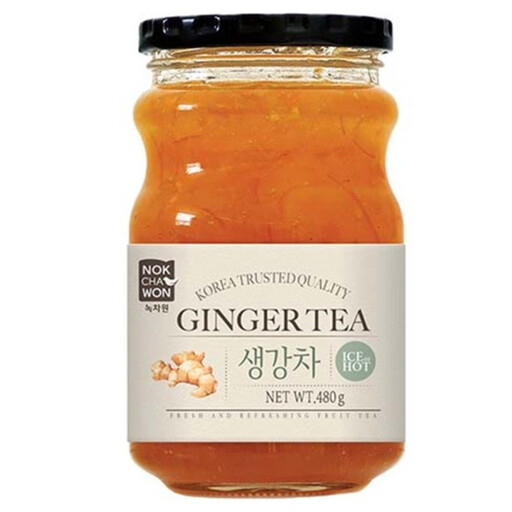
Why This Fits Their Persona: Ideal for anyone seeking a convenient yet flavour-packed introduction to the world of Korean teas. The concentrate is easy to dose and can be prepared as a warming hot drink or a refreshing cold beverage.
The product clearly states its format as a concentrate and its high ginger content of 35%. This prevents disappointment from a product that is too sweet or watery.
High ginger content for an authentic, sharp aroma; versatile as a tea, spread, or cooking ingredient.
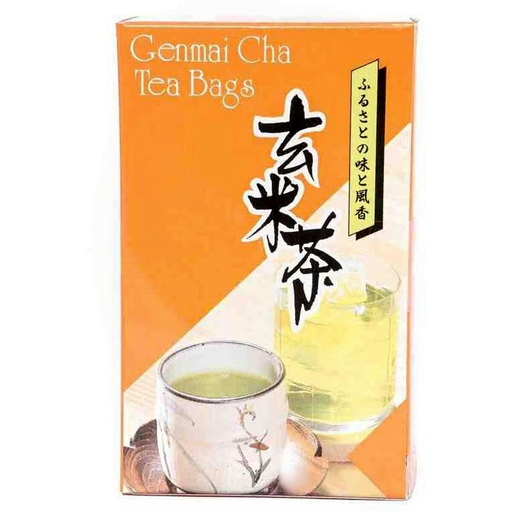
Why This Fits Their Persona: Perfect for tea drinkers who appreciate the subtle, nutty flavour of traditional Japanese tea. The combination of green tea and roasted rice offers a mild yet characterful aroma.
The clear indication of "Japan" as the country of origin and the simple ingredients (green tea leaves, roasted brown rice) bypass the pitfall of misleading "Asian-style" products.
Authentic, nutty flavour profile from roasted rice; convenient tea bags for easy preparation.
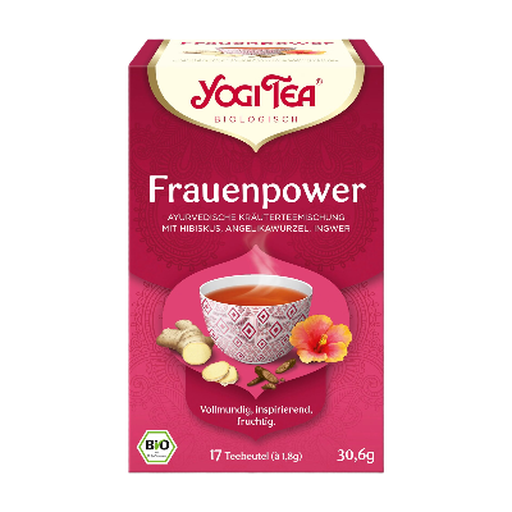
Why This Fits Their Persona: This tea blend is aimed at health-conscious consumers who value certified organic quality and caffeine-free herbal compositions. The blend of hibiscus, liquorice, and raspberry leaves is designed to promote well-being.
The official organic seal and the transparent declaration of all ingredients as "from certified organic farming" rule out hidden additives or pesticide residues.
Certified organic quality; caffeine-free, complex herbal blend with a fruity-spicy flavour profile.
We've compiled a complete, up-to-date list of products that fully meet these strict selection criteria and quality standards.
Typically, you add 2-3 teaspoons of the concentrate to a cup and pour about 150-200 ml of hot or cold water over it. Stir well until the concentrate has completely dissolved. The exact amounts can vary by manufacturer, so it's wise to check the preparation instructions on the label.
Pay attention to the country of origin—it should state "Japan." The ingredients list is also an important indicator. For authentic blends like Genmaicha, only green tea and roasted rice should be listed. The colour of the brewed tea is typically a light yellow-green, not dark brown or cloudy.
Yes, many varieties are excellent for cold enjoyment. Tea concentrates like ginger, jujube, or aloe vera tea can be easily mixed with cold water or even sparkling water. Green teas and herbal teas can be brewed hot and then chilled in the refrigerator or served directly over ice cubes ("ice brew").