
Lieferung heute & morgen

Qualitätsgarantie

Willkommens-Angebote freischalten: KOSTENLOSE Lieferung | Bis zu 80 % RABATT | Kostenlose 30-Tage-JoyPlus-Testphase
App herunterladen
Choosing the right built-in appliances is a critical step in your kitchen design. A harmonious aesthetic and flawless functionality depend on appliances that integrate seamlessly into your cabinetry. However, the market is filled with tempting offers that can later turn out to be costly missteps. As your Joybuy Product Recommendation Officer, I'm here to help you identify the common pitfalls and make an informed choice.
Before we dive into the details, let's highlight three common issues that repeatedly lead to frustration and unexpected costs when selecting integrated appliances.
The "Close Enough" Trap: Ignoring Niche Dimensions The most common and expensive mistake is assuming that standard dimensions will always fit. A deviation of just a few millimetres in the niche dimensions can prevent the appliance door from closing properly, block ventilation, or stop the unit from fitting into the designated cabinet at all. The result is often extensive and costly modifications to your cabinetry.
The Cost Trap: A Low Purchase Price with a Poor Energy Rating An inexpensive appliance can become significantly more expensive over its lifespan than a model with a higher initial price. Poor energy efficiency (e.g., class F or G on the new EU label) leads to consistently high electricity bills that quickly negate the initial savings.
The Noise Trap: A Loud Compressor in an Open-Plan Kitchen In modern, open-concept living spaces, the kitchen becomes the heart of social life. A constantly humming built-in refrigerator or a noisy fridge-freezer can significantly disrupt your quality of life. The noise emission, measured in decibels (dB), is often underestimated until it's too late.
To avoid these pitfalls, you should focus on three objective criteria. These form the basis for a decision you'll be happy with for years to come.
Measure the installation niche precisely: height, width, and depth. Compare these measurements exactly with the manufacturer's installation specifications. Also, pay close attention to the type of door mounting:
Since 2021, the new EU energy label has been in effect, with classes from A (very efficient) to G (less efficient). An appliance in class C consumes significantly less electricity than one in class E. Look not only at the class but also at the specified annual consumption in kilowatt-hours (kWh/a). A quiet and efficient inverter compressor can make a huge difference here.
An appliance's noise level is specified in decibels (dB). For open-plan kitchens, values below 38 dB are recommended. Models at 35 dB or less are considered exceptionally quiet and are barely perceptible. Every 3 dB difference corresponds to a perceived halving or doubling of the volume.
We have selected a few models from our range that are tailored to specific needs and household sizes, all while meeting the criteria mentioned above.
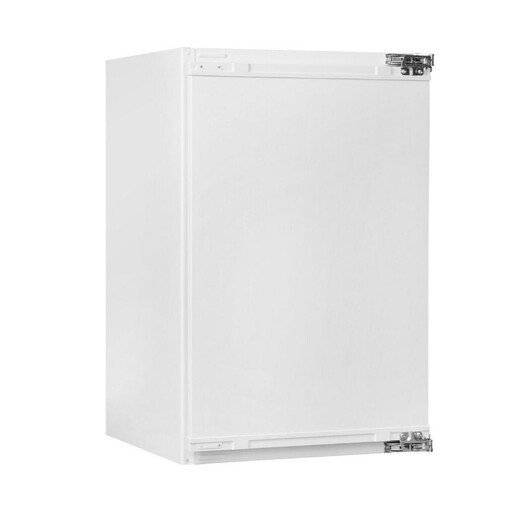
Why it's a great fit: Ideal for smaller households or as a secondary appliance. It offers solid, essential features for integration into standard cabinetry without breaking the budget.
The precise specifications for an 88 cm niche and the door-on-door system ensure a perfect, stable fit. Its noise level of 35 dB is excellent for this price point.
Compact and reliable cooling with an integrated freezer compartment. The reversible door hinge offers additional flexibility in kitchen design.
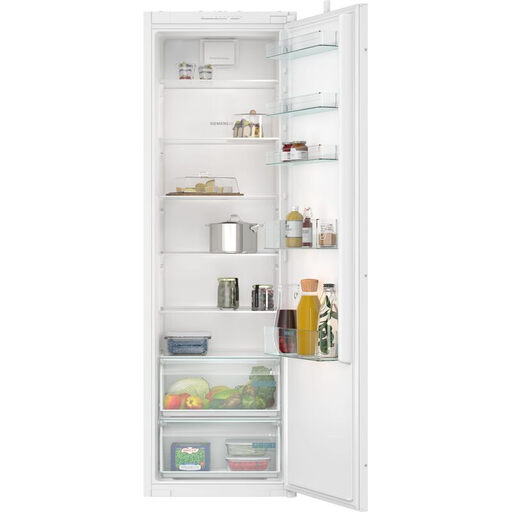
Why it's a great fit: For anyone looking to invest in a durable, quiet, and spacious solution for an open-plan kitchen. "Made in Germany" quality from Siemens.
At just 35 dB, this appliance is extremely quiet, avoiding the noise trap in open living spaces. The moderate annual consumption of 114 kWh/a keeps running costs low, despite its Class E energy rating.
A generous 310-litre capacity, flexible interior layout, and the FreshBox, which keeps fruit and vegetables fresh for longer.
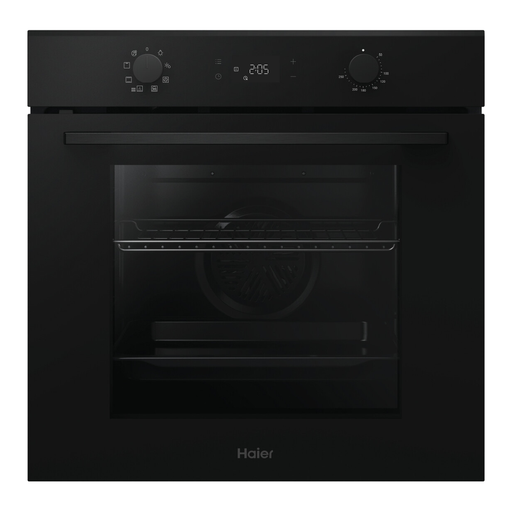
Why it's a great fit: Perfect for families or ambitious home cooks who need a spacious and versatile built-in oven for daily use.
This model avoids the trap of overpaying for specialised functions you won't use. It focuses on 9 practical cooking functions and a simple, steam-based cleaning system (Hydrolytic).
A very large 78-litre cavity provides ample space for large roasts or multiple dishes at once. The A+ energy efficiency class ensures moderate running costs.
We've compiled a complete, up-to-date list of products that fully meet these strict selection criteria and all relevant safety standards.
The niche dimension refers to the exact height, width, and depth of the empty space within your kitchen cabinetry intended for the built-in appliance. It is crucial that the appliance's dimensions precisely match these niche measurements to ensure correct installation, proper ventilation, and a flush finish.
Very important. The energy efficiency class indicates how much electricity an appliance consumes relative to its performance. Over a lifespan of 10-15 years, an appliance with a better class (e.g., C instead of E) can save you hundreds in electricity costs. The investment in a more efficient appliance often pays for itself.
Yes, old appliance disposal is an important service. Many retailers offer an appliance take-back service. At Joybuy, for example, you can add the Connection and Recycling for Built-in Refrigerators service. Professionals will then handle the safe removal of your old appliance and its environmentally friendly disposal when your new one is delivered.