
Lieferung heute & morgen

Qualitätsgarantie

Willkommens-Angebote freischalten: KOSTENLOSE Lieferung | Bis zu 80 % RABATT | Kostenlose 30-Tage-JoyPlus-Testphase
App herunterladen
A new refrigerator is a significant purchase for any household. But the market is flooded with marketing promises and technical specs that confuse more than they clarify. Many buyers only realise months later that their appliance doesn't hold up in daily use—whether due to high electricity costs, disruptive noises, or impractical compartments. As your Joybuy Product Recommendation Officer, I'll help you navigate these pitfalls and make an informed decision.
Before we dive into the key features, let's look at the typical mistakes that lead to dissatisfaction.
To find the right refrigerator, focus on these three objective criteria.
The first decision is about the appliance type. A freestanding fridge is the most common variant and offers flexible placement. Consider which model best suits your household:
As a rule of thumb for capacity, plan for about 50 to 100 litres per person in the household. A family of four is generally well-served with a total volume of 300 litres or more.
As mentioned, the value for annual energy consumption in kWh on the EU energy label is the most important metric. Multiply this figure by your current electricity price (in €/kWh) to estimate the approximate annual running costs. This allows you to compare different models objectively, regardless of their size or efficiency class.
In modern, open-plan kitchens, a loud refrigerator can quickly become a nuisance. The operating noise is specified in decibels (dB). Actively look for a model that is considered a quiet fridge.
Here are some models tailored to specific needs that cleverly avoid the pitfalls mentioned.

Why it's a great fit: Ideal for students, singles, or as a second appliance. With 82 litres of total capacity and an ultra-compact width of 47.5 cm, this mini fridge fits into the smallest kitchen or nook. It provides the essentials without any superfluous features.
This model doesn't promise over-the-top features. It's a straightforward tabletop fridge with manual defrosting, and its modest energy consumption (125 kWh/year) is clearly communicated and appropriate for its size.
Very quiet operation at just 38 dB. The CrispZone drawer helps keep fruits and vegetables fresh for longer.
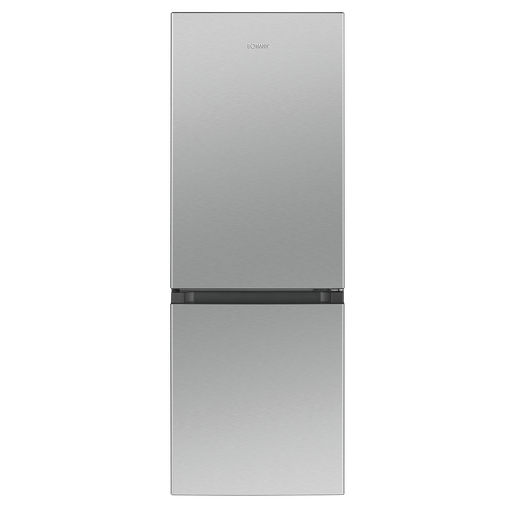
Why it's a great fit: A classic fridge-freezer combo with a solid capacity of 175 litres (122 L fridge, 53 L freezer). The three separate freezer drawers provide good organisation for small families or couples who prioritise value for money.
This model skips a low-cost No Frost system, opting instead for manual defrosting in the freezer. This is an honest, reliable solution in this price range. Its energy consumption of 156 kWh/year is transparent and predictable for its size.
Good layout with three freezer drawers and height-adjustable glass shelves. At 39 dB, the appliance is pleasantly quiet.
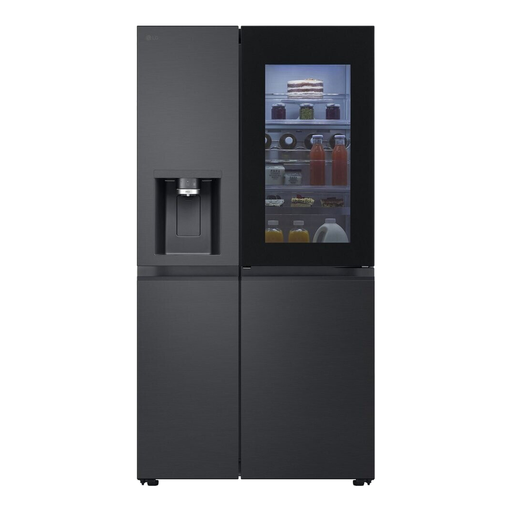
Why it's a great fit: For households that want cutting-edge technology, ample space, and convenience. This Side-by-Side fridge offers 628 litres of volume, a water and ice dispenser (incl. Craft Ice), and smart control via an app. The InstaView window is a functional design highlight.
Here, the extra features are implemented to a high standard. The Total NoFrost system works reliably, and DoorCooling+ ensures a stable temperature. The InstaView feature reduces door openings, thus saving energy and turning the "feature trap" into a real advantage.
Extremely quiet for its size at just 35 dB. The Craft Ice Maker produces slow-melting ice spheres. UVnano technology automatically cleans the water dispenser.
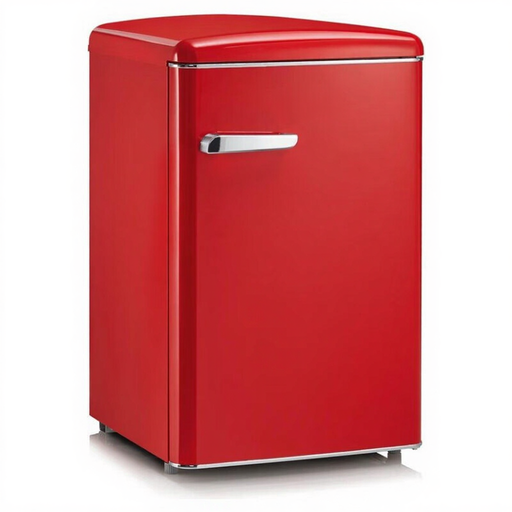
Why it's a great fit: For anyone looking to make a design statement. This retro fridge in vibrant red is a real eye-catcher. With 106 litres of capacity, it's a stylish solution for the kitchen, office, or a holiday home where aesthetics are a top priority.
This appliance focuses on its unique selling point: its design. It doesn't promise high-tech marvels but delivers solid cooling performance in an exceptional package. The technical specs are clear and align with its positioning as a design object.
Distinctive vintage design with high-quality chrome accents. Compact dimensions allow for flexible placement.
We've compiled a complete, up-to-date list of products that fully meet these strict selection criteria and all relevant safety standards.
1. How much electricity does a new fridge use per year? Consumption varies greatly depending on the size, model, and energy efficiency class. A compact fridge might use around 85 kWh/year, while a large side-by-side combo could consume 280 kWh/year or more. Always check the "kWh/annum" value on the EU energy label for a direct comparison.
2. What does the decibel (dB) rating mean for a fridge? The decibel rating describes the operating noise. A value below 35 dB is considered extremely quiet. Models between 36 and 39 dB are a good, quiet choice for most households, including open-plan kitchens. Appliances rated at 40 dB or more may be audible in quiet environments.
3. Do I really never have to defrost a No Frost fridge? Yes, the freezer compartment of an appliance with "Total No Frost" or "No Frost+" technology does not need to be manually defrosted. The system prevents ice build-up, which not only saves you work but also keeps the appliance's energy efficiency consistently high.