
Lieferung heute & morgen

Qualitätsgarantie

Willkommens-Angebote freischalten: KOSTENLOSE Lieferung | Bis zu 80 % RABATT | Kostenlose 30-Tage-JoyPlus-Testphase
App herunterladen
A baby bath should cleanse the skin without putting it under unnecessary strain. Yet the choice on offer can be bewildering: baby bath additives, baby wash gels, children’s bubble baths and 2-in-1 products can vary considerably in their recommended age, fragrances, surfactants and how they’re used. The wrong product can contribute to dry or irritated skin, particularly if your child has sensitive skin or is prone to eczema.
Descriptions such as “tear-free baby shampoo” or “No more tears” usually refer to a particularly gentle formula for the eye area. They don’t mean you can be careless, though. Even a mild baby shampoo and shower gel shouldn’t be deliberately allowed to get into your baby’s eyes. If it does, rinse thoroughly with clean water.
A children’s bubble bath that produces lots of foam may look appealing, but that says little about how gentle it is on the skin. Fragrances, colourants and certain surfactants may not suit every child. If your child has dry or sensitive skin, a quick wash with a small amount of product is often a better choice than a heavily fragranced full bath.
Plant oils and fragrances may be ingredients in a baby bath additive, but they won’t suit every child. Natural fragrance components can also trigger individual reactions. Check the full INCI list, the recommended age and the information on the packaging.
For a baby bath suitable from birth, the product should be explicitly labelled as suitable for babies or from 0 months. Products such as bath bombs or colour-changing bath tablets are often intended for children aged three and over. This age guidance isn’t simply a marketing suggestion, so be sure to take it into account when choosing a product.
Make sure the baby bath is also placed on a stable surface. The water should be comfortably warm, not hot. Babies and toddlers must never be left unattended in the water, even if there’s only a little in the bath.
Short, easy-to-read formulas can make it easier to choose a product for sensitive skin. In particular, look out for:
If allergies run in the family or your child already has skin problems, it may be helpful to speak to your paediatrician or pharmacist. Cosmetic products are not a substitute for medical treatment.
A 2-in-1 product for skin and hair saves space and can be handy when you’re travelling. A separate wash gel and shampoo, on the other hand, let you control how much of each product you use. A traditional baby bath additive is added to the water and isn’t automatically suitable as a shampoo or shower gel.
For daily skincare, a small amount of product is usually enough. After bathing, gently pat the skin dry, paying particular attention to skin folds. When trying a new product, it’s best to apply it to a small area of skin first. Stop using it if redness, itching or a burning sensation occurs.
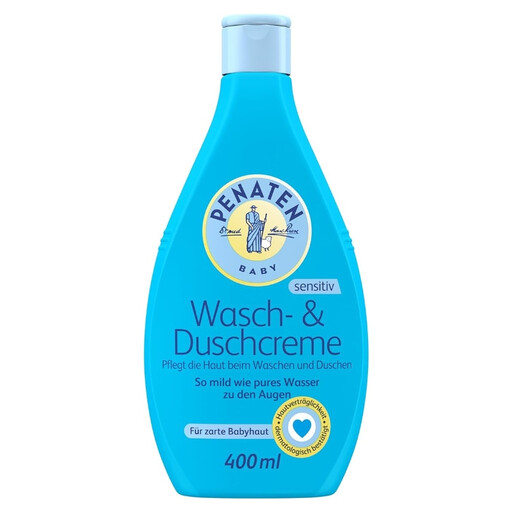
Why this product suits this profile: The 2-in-1 formula is a good fit for families looking for one product for both body and hair. According to the product description, it’s suitable for newborns and contains no parabens or colourants.
The age suitability and information about parabens and colourants are clearly stated. Even so, check the INCI list against the current packaging before buying.
400 ml, suitable for skin and hair, with a gentle formula according to the manufacturer.
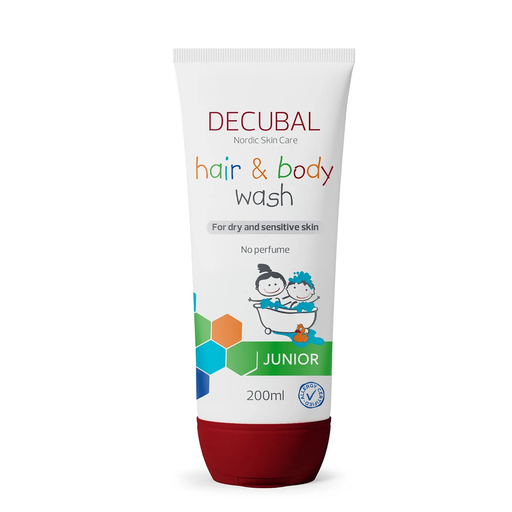
Why this product suits this profile: This fragrance-free 2-in-1 wash is designed to cleanse both skin and hair. According to the manufacturer, it contains ingredients including glycerin and betaine.
The fragrance-free label addresses a factor that’s often overlooked when choosing a product. You should still check the current INCI list.
Fragrance-free formula, 200 ml, and designed for use on both body and hair.
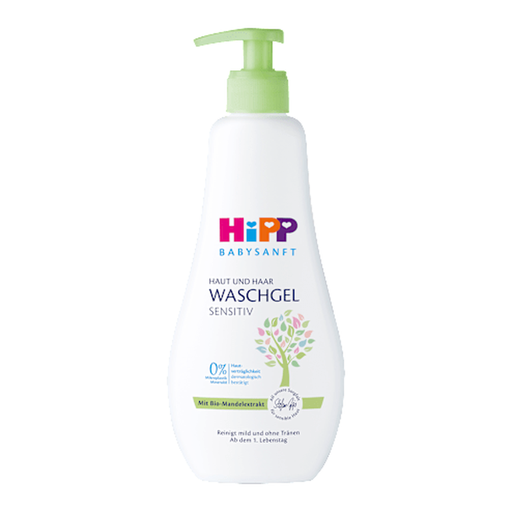
Why this product suits this profile: According to the product information, this wash gel is suitable from the first day of life and is designed for both skin and fine hair. The formula is described as soap-free and free from mineral oils.
The stated age guidance helps prevent a bath product intended for older children from being used by mistake on a newborn. Check the ingredients carefully if your child has a nut allergy.
400 ml, for use on skin and hair, and a short INCI list featuring almond oil, glycerin and mild cleansing ingredients.
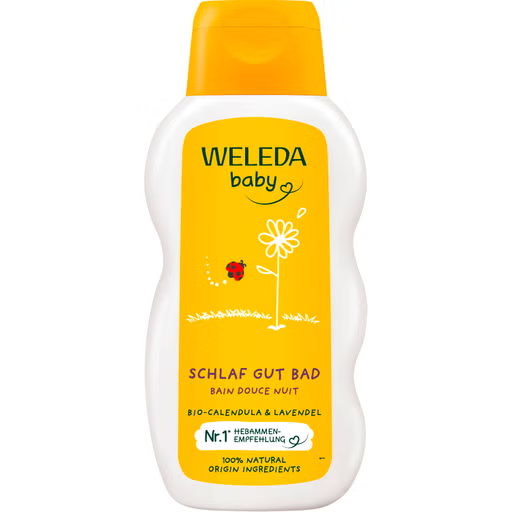
Why this product suits this profile: This oil-to-milk bath is described as a bath additive for an evening routine. It contains almond and sesame oils, among other ingredients, as well as fragrances with notes of lavender and neroli.
The recommended dose of 2–3 squirts is clearly stated. As the product contains fragrances and oils, consider your child’s sensitive skin and any known allergies.
200 ml, clear instructions for use and a creamy oil-to-milk texture in the bath water.
We’ve put together a comprehensive, regularly updated list of products that meet these strict selection criteria and fully comply with the safety regulations in force in the EU.
For many babies, a few full baths a week are enough to begin with. You can clean your baby’s face, hands, nappy area and skin folds separately as needed. Frequent or prolonged bathing can put more strain on the skin. Your routine should take account of your baby’s age and skin, as well as the advice of the professionals caring for them.
A product with a clear INCI list, little or no fragrance and an age recommendation that’s right for your child can make choosing easier. If your child has sensitive skin or is prone to eczema, introduce new products gradually. If symptoms persist, speak to your paediatrician or dermatologist.
Many cosmetic products carry a symbol showing how long they’ll keep after opening, for example “12M”. This means the product should be used within the number of months stated after opening. Also check the expiry date, batch number and storage instructions on the packaging. Heat, direct sunlight and leaving the lid open for long periods can affect the product’s quality.