
Lieferung heute & morgen

Qualitätsgarantie

Willkommens-Angebote freischalten: KOSTENLOSE Lieferung | Bis zu 80 % RABATT | Kostenlose 30-Tage-JoyPlus-Testphase
App herunterladen
Finding the right snacks for babies and toddlers can be a challenge for parents. The market for baby biscuits is vast, and packaging often promises more than the ingredients deliver. To make an informed decision, it's crucial to recognise common marketing traps and understand which criteria truly matter.
This guide will help you cut through the noise and identify products that genuinely meet your child's needs.
Many products are designed to appear healthy, but a closer look at the details often reveals a different story. Pay attention to these three points to avoid making the wrong choice.
To find the right biscuits for babies, you should focus on objective and verifiable features. The following three parameters are crucial.
Instead of relying on advertising claims, you should analyse the nutritional information and the ingredients list.
The manufacturer's age recommendation is an important first indicator.
Good snacks for babies provide more than just empty calories. A short and understandable ingredients list is often a good sign. Look for:
Based on the criteria above, we have compiled a selection of products suitable for different age groups and requirements.
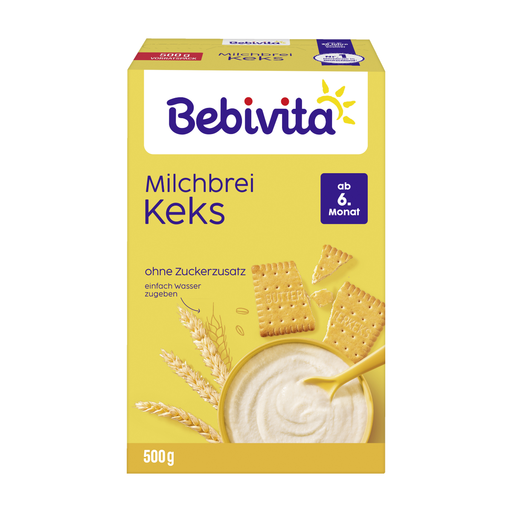
Why this product is a good fit: For babies just starting on solid foods, a porridge is the safest way to introduce the taste of biscuits. This product combines grains and milk into a filling meal.
The product bypasses the risk of an inappropriate texture, as it is fed as a porridge, eliminating any choking hazard. According to the manufacturer, it contains no added sugar.
Enriched with calcium, iron, and vitamins to support nutrient intake. Simple to prepare with just water.
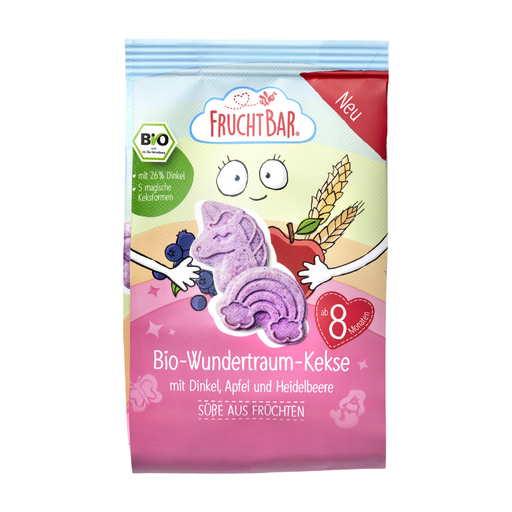
Why this product is a good fit: Ideal for parents who value organic ingredients and sweetening derived exclusively from fruit. The biscuit shape is easy for toddlers from one year onwards to hold.
This product avoids the "organic trap" by combining the seal with a transparent ingredients list. It is sweetened exclusively with fruit juice concentrate, with no added granulated sugar.
Ingredients from organic farming, including 26% spelt flour. According to the manufacturer, the sweetness comes exclusively from fruit.
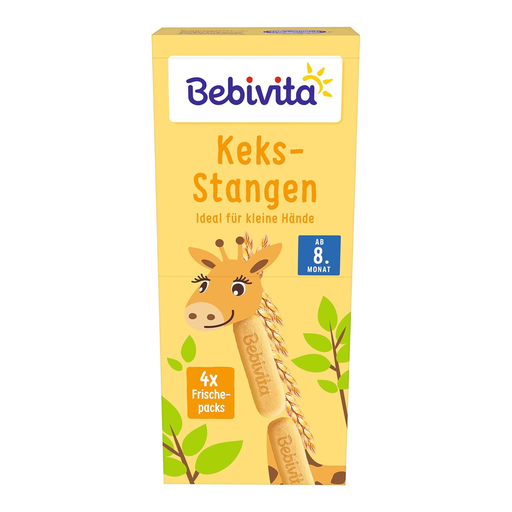
Why this product is a good fit: The shape and lightly baked texture are tailored to the needs of babies from 8 months. The sticks are ideal for holding, promoting motor skills, and can help with teething.
This product specifically addresses the issue of inappropriate texture. It is designed for nibbling with the first teeth and is less hard than many conventional biscuits.
The stick shape is practical for on-the-go and supports independent eating. Contains Vitamin B1, which is important for the function of the nervous system.
We have compiled a complete, up-to-date list of products that fully meet these strict selection criteria and comply with German regulations.
Most manufacturers recommend special baby biscuits from 6 to 8 months of age, once the child has experience with complementary foods, can sit up independently, and shows interest in solid foods. Always start with products designated for the specific age that dissolve easily in the mouth to ensure safety.
A truly sugar-free baby biscuit is rare, as many ingredients naturally contain sugar. Look for the "no added sugar" label. Then, check the ingredients list: terms like sugar, glucose syrup, honey, agave syrup, or fruit juice concentrate indicate added or concentrated sweeteners. The "of which sugars" value in the nutritional table gives you the total sugar content and allows for an objective comparison.
An organic seal is a positive feature, as it guarantees the absence of synthetic pesticides and fertilisers in cultivation. However, it says nothing about the nutritional value of the final product. An organic baby biscuit can still contain a lot of sugar. Consider the organic label an important building block, but always check the nutritional table and ingredients list to make an informed decision.