
Lieferung heute & morgen

Qualitätsgarantie

Willkommens-Angebote freischalten: KOSTENLOSE Lieferung | Bis zu 80 % RABATT | Kostenlose 30-Tage-JoyPlus-Testphase
App herunterladen
A BABY born styling head is a big hit with many children. The opportunity to create hairstyles and experiment with makeup to their heart's content fosters creativity and fine motor skills. But the selection is vast, and not every product lives up to its promises. Before you make a decision, it's important to know the common pitfalls that can quickly spoil the fun. This guide will help you identify the key features and choose a durable model.
When searching for a makeup head for kids, you'll often come across tempting offers. However, this is precisely where flaws can be hidden, only becoming apparent after unboxing.
To avoid buyer's remorse, you should check three key product features before making a purchase. These largely determine the durability and play value of a styling head.
The quality of the hair is the most crucial aspect. Pay attention to the material specifications. Models with high-quality nylon hair are generally more durable and easier to comb than those with simpler polypropylene fibres. Good hair feels softer, tangles less quickly, and can withstand numerous styling attempts. This is a fundamental requirement for long-lasting enjoyment of a makeup and styling head.
A solid base is essential for a frustration-free play experience. Examine the base of the styling head: a wide, well-balanced bottom ensures the head remains stable even during creative and energetic hairstyling. Also, take a look at the included BABY born accessories. A good set contains not just a brush and a few clips, but also child-friendly makeup pens specifically designed for use on the doll's face that can be easily washed off.
A styling head is a toy for girls aged 3 and up, but the complexity should match the child's age. For younger children, models with simpler functions and more robust accessories are suitable. Older children, on the other hand, will enjoy sets with more diverse styling options, such as coloured hair streaks, glitter, or detailed makeup palettes. The manufacturer's age recommendation, as with the Zapf Creation 836033, provides an important guideline here.
Not every child has the same preferences. While some love to invent new hairstyles for hours, others prefer to recreate the looks of their favourite characters. Here are some recommendations tailored to different play styles.
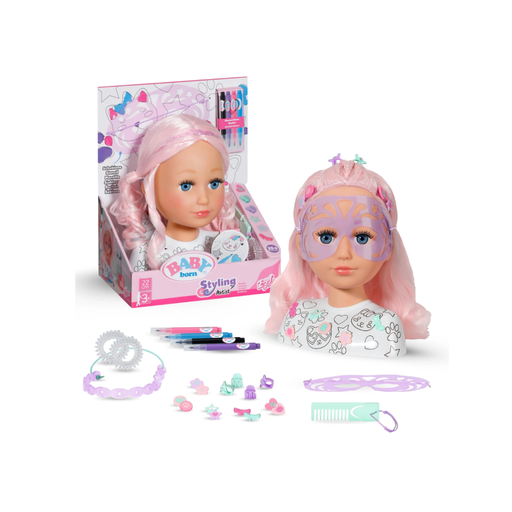
Why This Fits Their Persona: Ideal for children who want to both style hair and paint faces. This model combines both worlds of play and offers maximum creative freedom thanks to its extensive accessories.
According to the manufacturer, high-quality nylon hair is used, which is known for its durability and good combability. The included makeup pens are specially designed for the product and are washable, minimising the problem of stains.
The face and torso can be painted, which goes beyond conventional makeup heads. The set includes over 20 accessories, including a stencil for designs.
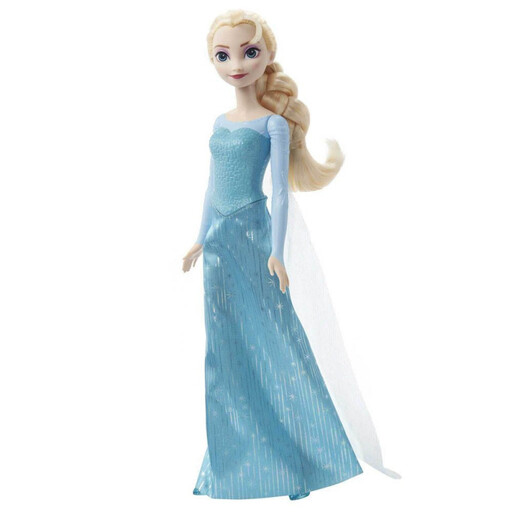
Why This Fits Their Persona: Perfect for children who not only want to style hair but also want to re-enact the adventures of their favourite character. As a full doll, it offers expanded opportunities for role-playing.
The focus here is clearly on hair styling and dressing/undressing. The makeup aspect is bypassed, which eliminates the risk of stains. The long, blonde hair is explicitly designed for braiding and styling.
Combines hairstyling with popular character role-playing. The doll is articulated and can be integrated into various scenarios, which increases its play value.

Why This Fits Their Persona: An alternative for children who are fans of modern heroines and action-packed stories. The doll is fully articulated and invites dynamic role-playing.
Here too, the emphasis is on hair styling and role-playing with the figure, not on washable makeup. The risk of discolouration is thus avoided. The doll is designed for active play.
According to the manufacturer, the doll is fully articulated, allowing for action-packed poses and re-enacting scenes from the series. The characteristic yo-yo accessory completes the play experience.
We have compiled a comprehensive, up-to-date list of products that fully meet these strict selection criteria and safety regulations.
1. How do you clean a makeup head properly? Most makeup pens intended for styling heads are water-based. A damp cloth is usually sufficient for cleaning. For more stubborn colours, a mild detergent (e.g., dish soap) can help. Avoid aggressive cleaners or abrasive sponges, as they can damage the plastic surface. Always read the manufacturer's instructions.
2. From what age is a styling head suitable? Most manufacturers recommend their styling heads for children aged 3 and up. At this age, fine motor skills are usually developed enough to handle a brush, clips, and pens. It is important that the child understands that small parts should not be put in their mouth. Adult supervision is advisable for younger children.
3. What should you do if the styling head's hair becomes matted? If the hair does become severely tangled, carefully work your way from the tips to the roots with a wide-toothed comb or brush. A rinse with a little fabric softener mixed in water can help detangle the fibres. Afterwards, rinse the hair thoroughly with clean water and let it air dry. Do not comb the hair while it is wet to avoid stretching the fibres.