
Lieferung heute & morgen

Qualitätsgarantie

Willkommens-Angebote freischalten: KOSTENLOSE Lieferung | Bis zu 80 % RABATT | Kostenlose 30-Tage-JoyPlus-Testphase
App herunterladen
Choosing the right baby bottle can be a challenge for expectant parents. The market is filled with a multitude of shapes, materials, and features, all promising to be the ideal solution for your baby. But not every bottle delivers on its promise. An unsuitable choice can not only lead to discomfort for your child but also unnecessarily complicate the daily lives of parents.
As your Joybuy Product Recommendation Officer, I will help you understand the essential criteria and avoid common pitfalls when making a purchase.
To make an informed decision, you should focus on a few crucial technical parameters. These will help you see through the marketing promises and find a product that is safe, practical, and tailored to your child's needs.
Baby bottles are primarily made from three materials, each with specific advantages and disadvantages:
Regardless of the material, the BPA-free label is an indispensable standard. Bisphenol A (BPA) is a chemical compound previously used in the manufacturing of plastics, and its use in baby bottles is banned in the EU. Therefore, always look for this label to ensure your child's safety.
The teat is the direct interface with your baby. Its characteristics largely determine how well bottle-feeding is accepted.
An anti-colic baby bottle is designed to ensure the baby swallows as little air as possible while drinking, which can prevent gas and colic. This is usually achieved through special valves located either in the teat or at the base of the bottle. These valves equalise the pressure inside the bottle, allowing the milk to flow evenly and without forming air bubbles.
Instead of making a blanket recommendation, we have identified products that meet specific parental requirements and avoid the pitfalls mentioned earlier.
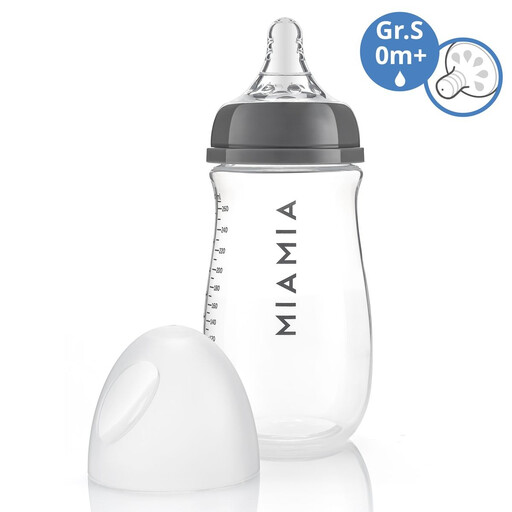
Why it's a great fit: This model focuses on the essentials. It's a lightweight, shatterproof PP bottle suitable for daily use, perfect for parents seeking a straightforward and reliable solution for their initial setup.
The wide bottle neck and simple construction make filling and thorough cleaning easy, thereby minimising the hygiene risk.
Integrated anti-colic system in the teat; soft silicone teat for a comfortable drinking experience; dishwasher-safe and sterilisable.
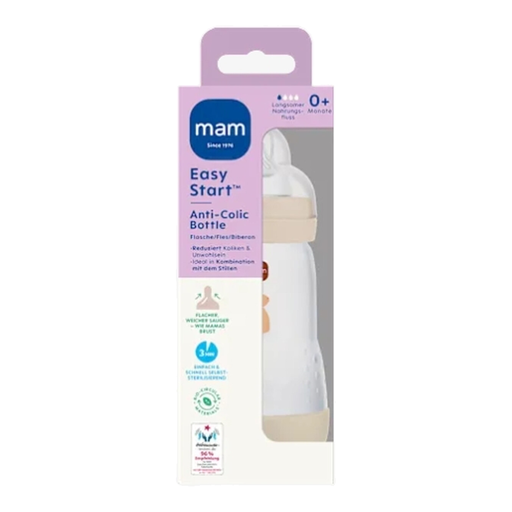
Why it's a great fit: This MAM bottle is specifically designed to reduce colic. It is a great choice for parents whose babies are prone to gas and who are looking for a technically advanced solution.
The vented base ensures an even drinking flow and reduces air swallowing. The bottle can be completely disassembled for cleaning and features a self-sterilising function for the microwave.
Vented base for colic reduction; flat, soft teat for a natural feel; unique self-sterilising function in 3 minutes.
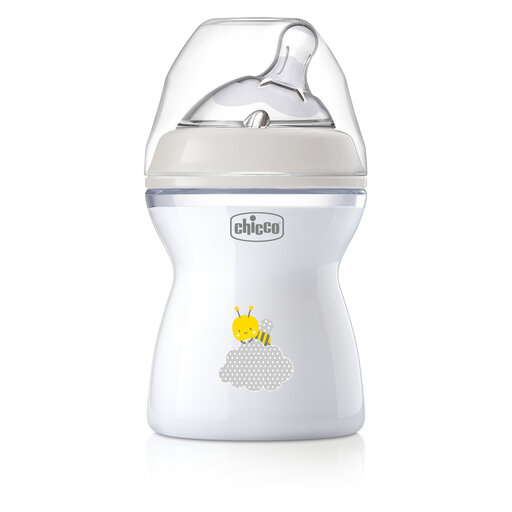
Why it's a great fit: The Chicco NaturalFeeling bottle was designed to ease the transition between breast and bottle. It is ideal for mothers who want to combine breastfeeding and bottle-feeding.
The angled, breast-like teat is specifically designed to support natural sucking behaviour and prevent nipple confusion. It remains full of milk throughout the feeding.
Angled teat for an optimal sucking position; dual anti-colic valve; soft silicone with a "Mum Effect" for a natural feel.
We've compiled a complete, up-to-date list of products that fully meet these strict selection criteria and German safety regulations.
1. How often should you replace the bottle teat? For hygiene and safety reasons, it is recommended to replace the bottle teat every one to two months. Before each use, check the teat for cracks, bite marks, or other signs of wear and replace it immediately at the first sign of damage.
2. What does BPA-free mean and why is it important?BPA-free means the product was made without the chemical Bisphenol A. This substance is suspected of having hormone-like effects and impairing the development of infants and young children. Within the EU, the use of BPA in baby bottles is legally prohibited, and the label provides parents with additional assurance.
3. Do I need a special bottle steriliser? A bottle steriliser is not strictly necessary, but it is very convenient. It ensures that bottles, teats, and accessories are reliably sanitised at a high temperature. Alternatively, the parts can be sterilised by boiling them in water for at least five minutes. Some bottles, like those from MAM, also offer a self-sterilising function for the microwave, which simplifies the process.