
Lieferung heute & morgen

Qualitätsgarantie

Willkommens-Angebote freischalten: KOSTENLOSE Lieferung | Bis zu 80 % RABATT | Kostenlose 30-Tage-JoyPlus-Testphase
App herunterladen
Choosing the right baby bottle can be a challenge for expecting and new parents. The market is filled with promises, but not every product delivers. As a Joybuy Product Recommendation Officer, my job is to filter objective information and give you practical advice so you can make an informed decision that meets your baby's needs.
Before we dive into the key features, let's look at three common marketing traps that often lead to the wrong purchase.
To avoid these pitfalls, focus on three verifiable core parameters.
The bottle's material is a fundamental decision. The most common options are:
Regardless of the material, compliance with the European standard EN 14350 is a must. This standard regulates the safety requirements for drinking equipment for infants and young children and ensures that no harmful substances are released.
The nipple is the most critical component for your baby's acceptance.
An effective anti-colic system reduces the amount of air the baby swallows while drinking. There are two main functional principles:
Here are some recommendations tailored to specific requirement profiles.
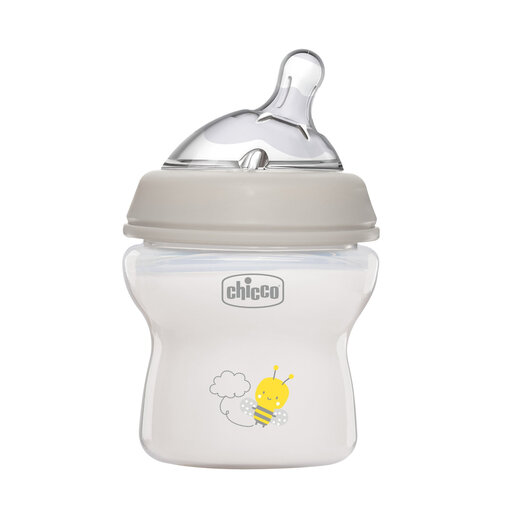
Why This Fits Their Persona: Ideal for parents who want to combine breastfeeding and bottle-feeding. The nipple's shape is designed to make the transition as easy as possible for the baby and to minimise nipple confusion.
Instead of a generic "breast-like" design, this bottle features an angled nipple that remains full of milk during feeding. This supports a natural feeding position and counters the "one-size-fits-all" myth.
Dual anti-colic valve to reduce air intake; soft silicone with a "Mum Effect" for a natural feel.
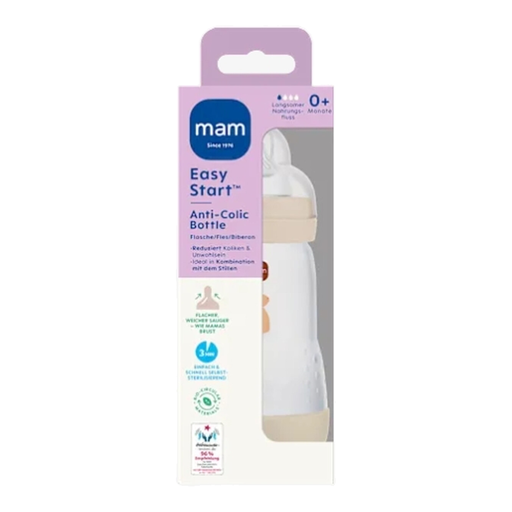
Why This Fits Their Persona: For parents whose babies suffer from colic, gas, or reflux. The design directly aims to minimise the main cause—swallowing air.
This model goes beyond a simple valve in the nipple. It uses a separate base valve that allows for a smooth drinking flow without a vacuum. This is a clearly defined mechanism that makes the vague "anti-colic" claim concrete.
Base valve for a calm, even drinking flow; practical self-sterilising function for the microwave in three minutes.
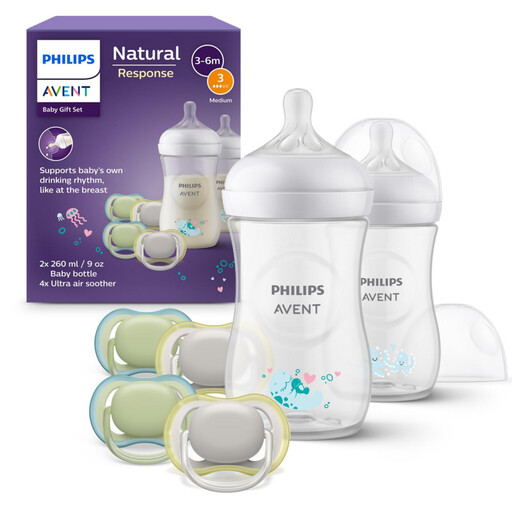
Why This Fits Their Persona: Perfect as a starter kit or a thoughtful gift. This baby bottle set provides a coordinated solution of bottles and soothers that are designed to work together, making the start easier.
Instead of overwhelming parents with individual purchases, this set offers a well-thought-out collection. The Natural Response nipple only releases milk when the baby is actively drinking—a specific technology that goes far beyond generic promises.
Comprehensive set with two bottles and four soothers; the nipple supports the baby's individual drinking rhythm and prevents spills.
In addition to the bottle itself, the right accessories can significantly simplify the feeding process:
We have compiled a complete, real-time updated list of products that fully meet these strict selection criteria and rigorous safety standards.
1. How often should you replace a baby bottle and its nipple? For hygiene and safety reasons, it is recommended to replace nipples every one to two months. Check the nipple before each use for cracks, discolouration, or stickiness, and discard it at the first sign of wear. The bottles themselves can be used for longer, as long as they have no scratches or damage where bacteria could accumulate.
2. Which material is suitable for a baby bottle: glass, plastic, or silicone? All three materials have their place. Plastic (PP) is lightweight and shatterproof, ideal for on the go. Glass is very hygienic and durable, but heavier and breakable. Silicone is flexible, lightweight, and shatterproof, but often more expensive. The choice depends on your personal priorities: practicality (plastic/silicone) or maximum durability and heat resistance (glass). In any case, the BPA-free label is essential.
3. What is the difference between a regular baby bottle and an anti-colic baby bottle? An anti-colic baby bottle has a special ventilation system (either in the nipple or at the base of the bottle) that prevents a vacuum from forming during feeding. This means the baby swallows less air, which can reduce gas and colic. A regular bottle without such a system can cause air bubbles to form in the milk, which the baby then drinks.