
Lieferung heute & morgen

Qualitätsgarantie

Willkommens-Angebote freischalten: KOSTENLOSE Lieferung | Bis zu 80 % RABATT | Kostenlose 30-Tage-JoyPlus-Testphase
App herunterladen
As new or expectant parents, you face a multitude of decisions. One of these is choosing the right gear to make daily life with a newborn easier. A baby bouncer can be an invaluable tool: it soothes your child with gentle movements and frees up your hands for other tasks. However, the market is filled with a vast array of models. This guide is designed to help you navigate the options and make an informed decision.
Before you decide on a model, several fundamental criteria should be considered. These will help you identify the features most relevant to your family and your baby.
The type of movement is a key distinguishing feature.
Your child's safety is the top priority. A good baby bouncer for newborns should have several key features:
Modern baby bouncers are often more than just a rocker. Useful extra features can enhance comfort for both baby and parents:
Here is a selection of models that cater to different needs and preferences.
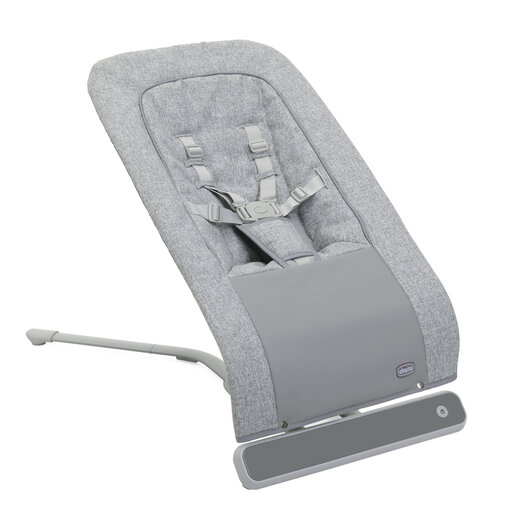
View Product: Chicco Rhythm’n’Sound Baby Bouncer
Why it stands out: This model focuses on a gentle, side-to-side gliding motion that mimics being cradled in a parent's arms. Its compact, fold-flat design makes it exceptionally portable and space-saving.
Benefits:
Who it's for: Parents looking for a minimalist and portable bouncer for their baby. Ideal for smaller apartments or for use on the go, as it's easy to store.
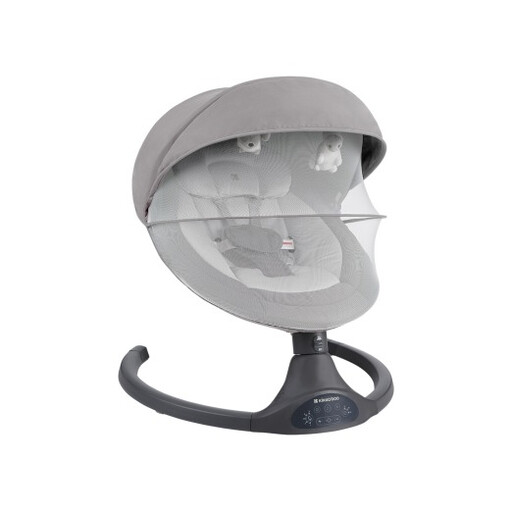
View Product: Kikka boo Electric Baby Swing Codie
Why it stands out: The Kikka boo Codie is an electric baby swing with a comprehensive feature set that can be conveniently controlled via touchscreen, Bluetooth, or remote.
Benefits:
Who it's for: Tech-savvy parents who want a fully-featured solution with remote control and diverse entertainment options for their baby.
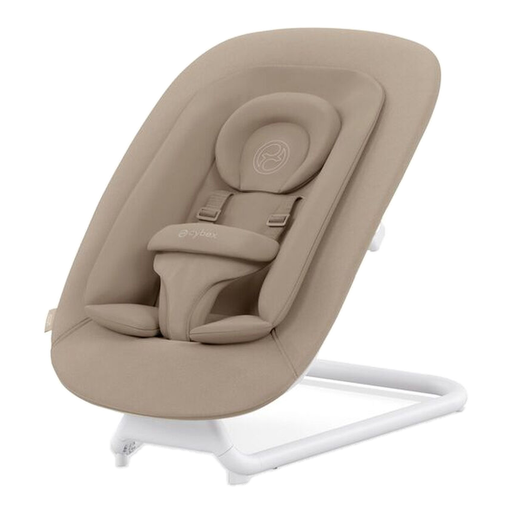
View Product: cybex Bouncer Almond Beige
Why it stands out: The cybex Bouncer is part of a modular system and impresses with its long-term usability. It can be used standalone or mounted on a high chair, and later converted into a seat for toddlers up to 3 years old.
Benefits:
Who it's for: Parents seeking a sustainable solution that grows with their child and integrates seamlessly into their home decor and an existing product ecosystem.
This selection represents just a small sample of the available models. If you are looking for other variations or different types of swings for your child, you can find a broader overview of products in our Kids' Swings category.
1. When can a baby start using a bouncer? Most baby bouncers can be used from birth, provided they offer a flat recline position and a suitable newborn inlay. It is important to follow the manufacturer's guidelines for minimum age and weight.
2. How long can a baby stay in a bouncer? A baby bouncer is intended for temporary soothing or entertainment, not as a permanent sleeping place. General recommendations suggest not leaving a baby in a bouncer for more than 30 to 60 minutes at a time, and for no more than a total of two hours per day, to ensure they have ample time for free motor development on a flat surface (like a play mat).
3. What is the difference between a baby bouncer and a baby swing? Although the terms are often used interchangeably, there is a technical difference. A classic baby bouncer typically moves in response to the child's own movements or a manual push. A baby swing is usually electrically powered and generates a continuous, often pendulum-like or gliding, motion.