
Lieferung heute & morgen

Qualitätsgarantie

Willkommens-Angebote freischalten: KOSTENLOSE Lieferung | Bis zu 80 % RABATT | Kostenlose 30-Tage-JoyPlus-Testphase
App herunterladen
Choosing a baby bouncer can be a challenge for expectant parents. The market offers a plethora of models that promise to soothe, entertain, and support your baby's development. However, not every product delivers on its promise. Many parents soon find their expensive purchase sitting unused in a corner.
This guide, created by the Joybuy Product Recommendation Officer, will help you navigate the common pitfalls. We focus on the crucial criteria that separate a great baby bouncer from an unsuitable one, so you can make an informed decision.
Before we dive into the key features, let's look at the most common reasons for a purchase you might regret. Once you know them, they are easy to avoid.
electric baby swing with ten swing modes, Bluetooth connectivity, and nature sounds might seem tempting. In practice, however, many babies prefer a gentle, consistent motion. Extra features drive up the price without adding real value.To make a safe and long-lasting choice, you should focus on three essential aspects. These form the foundation for your child's comfort and safety.
Safety is non-negotiable. Look for the following features to ensure a stable and secure environment for your child:
The type of motion is a key distinguishing feature.
bouncer for newborns into a rocking chair for the nursery for toddlers. Such 2-in-1 or 3-in-1 solutions often justify a higher price point through their extended usability.A baby grows quickly, and a good bouncer should be able to adapt.
Instead of making a one-size-fits-all recommendation, we have selected products that suit different requirements and life stages.
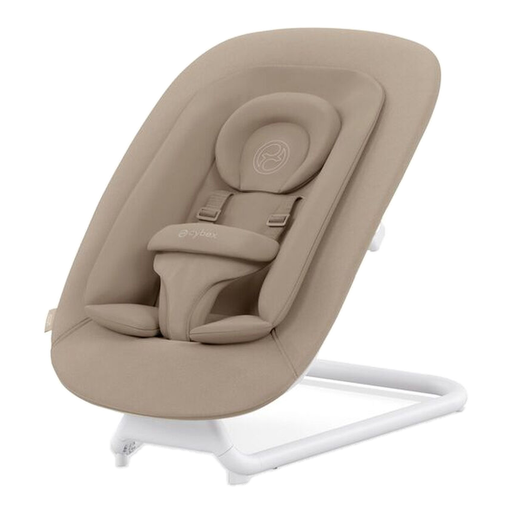
Why it's a great fit: This model is designed for parents seeking a long-term solution. It can be used from birth and later, without the harness, as a seat for toddlers up to 3 years old. Its compatibility with high chairs from the same brand integrates the baby into family life at the dinner table from the very beginning.
Its long lifespan, extending into the toddler years, elegantly bypasses the pitfall of short-term usability. The investment is spread over several years.
Adjustable backrest for sleep and wake phases; breathable mesh back for comfort at any temperature.
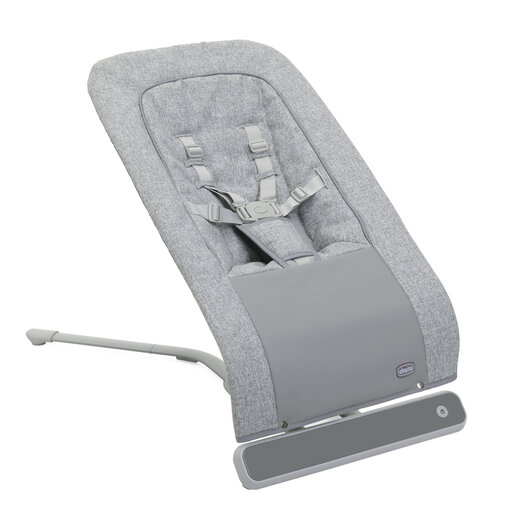
Why it's a great fit: This model offers the core functions of an electric swing—a gentle gliding motion and soothing sounds—in a compact and attractively priced package. It's ideal for parents looking for an effective soothing aid without unnecessary bells and whistles.
It avoids the pitfall of feature overload by focusing on the essentials: a proven, side-to-side gliding motion that many babies find particularly calming.
Folds compactly for easy storage and transport; operates via USB cable or batteries for flexible use.

Why it's a great fit: For children from around 12 months who have outgrown their baby bouncer, this `wooden rocking animal` is a logical next step. It serves as a `motor skills toy` that trains balance and coordination, and can also be converted into a sturdy chair.
This product is specifically designed for a later developmental stage, solving the problem of short-term use by offering a new function for the toddler years.
2-in-1 function as a rocking animal and chair; made from wood that, according to the manufacturer, is FSC-certified, supporting sustainable forestry.
We have compiled a complete, up-to-date list of products that meet these strict selection criteria and safety requirements. From classic bouncers to versatile rocking toys.
Experts recommend not leaving a baby in a bouncer for extended periods or for sleeping. Short, supervised sessions of about 20 to 30 minutes are generally considered safe. A baby bouncer is not a substitute for a crib with a firm, flat mattress, which is crucial for healthy sleep.
A classic baby bouncer swings through the child's own movements or by a manual push. An electric baby swing has a motor that provides a continuous, often adjustable, rocking motion. Bouncers help develop a baby's motor skills, while electric swings are primarily for soothing.
A wooden rocking animal or a hopper horse is generally suitable for children who can already sit up stably without assistance. This is usually the case between 12 and 18 months of age. These toys are excellent for promoting a sense of balance and gross motor skills. Always follow the manufacturer's age recommendation.