
Lieferung heute & morgen

Qualitätsgarantie

Willkommens-Angebote freischalten: KOSTENLOSE Lieferung | Bis zu 80 % RABATT | Kostenlose 30-Tage-JoyPlus-Testphase
App herunterladen
Choosing the right baby care products can be a challenge for parents. The market is saturated with products promising gentle care and protection. However, not all of them live up to their advertising claims. Certain formulas can unnecessarily irritate the delicate skin of infants and toddlers. This guide will help you identify marketing traps and select products based on objective criteria.
Before we delve into the crucial quality features, it's important to understand the common misconceptions and marketing strategies that often lead to poor purchasing decisions.
natural baby care even if it contains only trace amounts of plant extracts while also including synthetic fragrances or preservatives. Furthermore, not every natural ingredient is automatically suitable for every baby's skin.To make an informed decision, you should focus on verifiable product characteristics rather than advertising promises.
A baby's skin is thinner than an adult's, and its acid mantle is not yet fully developed. This protective layer has a slightly acidic pH value of around 5.5. Products with a neutral or even alkaline pH can disrupt this barrier, leading to dryness and irritation. Therefore, look for products that are labelled as pH-balanced or pH skin-neutral. This applies to every baby shower gel and baby wash lotion.
The International Nomenclature of Cosmetic Ingredients (INCI) lists all components in descending order of their concentration. Instead of being guided by brand names, it's worth taking a look at this list.
baby care for sensitive skin, fragrance-free formulas are often the safer choice.Not every product is suitable for every purpose. A baby shampoo is optimised for cleaning hair and scalp, while a baby care lotion is applied after a bath to moisturise and is not rinsed off.
Based on the criteria above, we have compiled a selection of products for various requirement profiles.
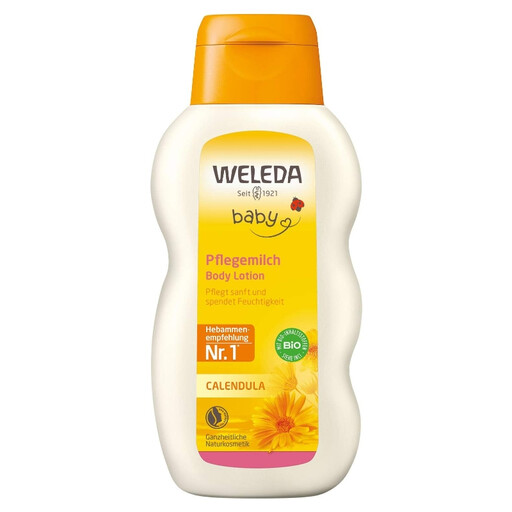
Why it's a good fit: Ideal for parents who value certified natural cosmetics and a straightforward ingredient list. The formula is based on plant-based oils from organic farming.
Instead of an empty "natural" promise, this product offers NATRUE certification. Ingredients like calendula and chamomile extract are known for their soothing properties.
The light emulsion with sesame and almond oil protects against dryness without leaving a heavy film. Suitable for daily care of sensitive skin.
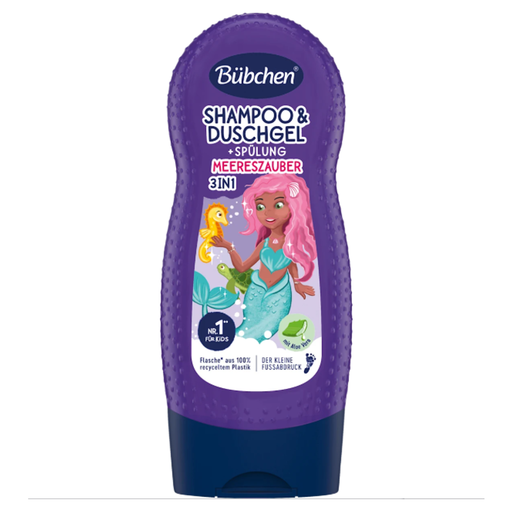
Why it's a good fit: This 3-in-1 product combines shampoo, conditioner, and shower gel, simplifying the bath time routine with toddlers who don't sit still for long.
Instead of relying on unnecessary additives, the pH-balanced formula contains aloe vera and panthenol for nourishment. It is free from mineral oil, microplastics, and silicones.
The combination of cleansing and conditioning makes it easier to comb hair after washing, saving time and an extra product.
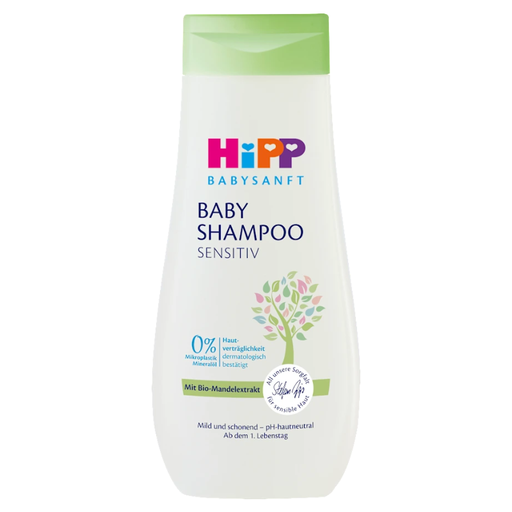
Why it's a good fit: Specially developed for the needs of newborns and babies with eczema-prone skin. The formula is reduced to the essentials.
This shampoo is completely free of mineral oil, parabens, and potential fragrance allergens. The pH-neutral formula avoids the risk of irritating the sensitive eye area.
The formula with organic almond oil cleanses very gently and nourishes the scalp without drying it out. The biodegradable recipe is an added bonus.
We've compiled a complete, up-to-date list of products that fully meet these strict selection criteria and German safety regulations.
1. How often should I bathe and moisturise my baby? For newborns and infants, two to three baths per week are usually sufficient to avoid drying out the skin. Daily cleaning of the nappy area and face with a soft, damp cloth is generally enough. A baby care lotion should be applied to dry skin areas after bathing or as needed to support the moisture barrier.
2. How can I identify a good baby care product for sensitive skin? Look for a short ingredient list (INCI) and the absence of known irritants. Products labelled as hypoallergenic and fragrance-free are often a good starting point. Ingredients like panthenol, glycerin, and natural oils (almond, sunflower) are beneficial. When in doubt, you can test a new product on a small patch of skin first, for example, in the crook of the arm.
3. Are products labelled "no more tears" really safe for the eyes? This label means the product is formulated to cause little to no stinging if it accidentally gets into the eyes. This is achieved by using very mild surfactants or a pH adjusted to match tears. However, it is not a guarantee that no irritation will occur at all. It is always advisable to avoid direct contact of baby shampoo and wash lotions with the eyes.