
Lieferung heute & morgen

Qualitätsgarantie

Willkommens-Angebote freischalten: KOSTENLOSE Lieferung | Bis zu 80 % RABATT | Kostenlose 30-Tage-JoyPlus-Testphase
App herunterladen
A baby carrier promises closeness, security, and free hands in your daily life. But the market is overwhelming, filled with marketing promises that often create more confusion than clarity. Many parents invest in a model that ends up in a closet after just a few weeks because it's impractical, uncomfortable, or unsuitable for their child's development.
As your Joybuy Product Recommendation Officer, I'm here to help you recognise the common pitfalls and make an informed decision. Let's focus on the facts that truly matter.
The 3 Most Common Traps When Buying a Baby Carrier:
To avoid a bad purchase, you should check three core technical aspects. These determine the safety, comfort, and longevity of your carrier.
The most important factor for healthy physical development is the correct positioning of the baby. An ergonomic baby carrier must ensure the so-called spread-squat position (also known as the M-position).
The material affects not only how it feels against the skin but also temperature regulation for you and your child.
A good baby carrier grows with your child and can be adjusted for different wearers.
Based on the objective criteria mentioned above, we have selected a few models for typical user profiles.
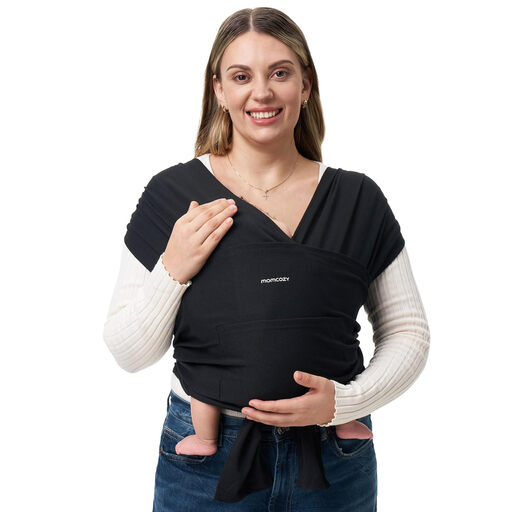
Why it's a great fit: Perfect for the early days. The soft, elastic material snuggles against the newborn, providing a sense of security. The double-ring system allows for quick setup without complicated wrapping knots—a clear advantage in daily life.
Bypasses the complexity fallacy with an intuitive ring system and is specifically tailored to the needs of newborns with its stretchy material (no "one-size-fits-all" trap).
The material is OEKO-TEX 100 certified and machine washable, according to the manufacturer. The carrier supports the ergonomic M-position for babies from 3.6 to 15 kg (8 to 33 lbs).
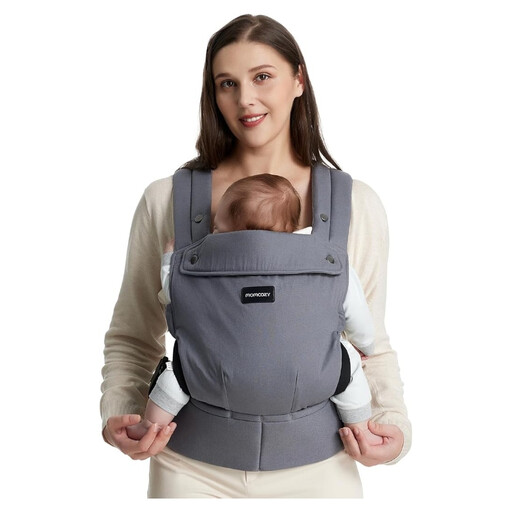
Why it's a great fit: This structured carrier with a buckle system is designed for longer wearing times and more activity. The integrated lumbar support and crossed back straps effectively distribute weight and relieve the parent's back.
Specifically addresses the ergonomics trap with a design that, according to the manufacturer, supports the C-shape of the spine and the M-position of the hips. The buckle system is fast and secure.
Features an integrated EVA lumbar support to relieve the wearer and is designed for a wide weight range from approx. 3.2 kg to 20 kg (7 to 44 lbs).
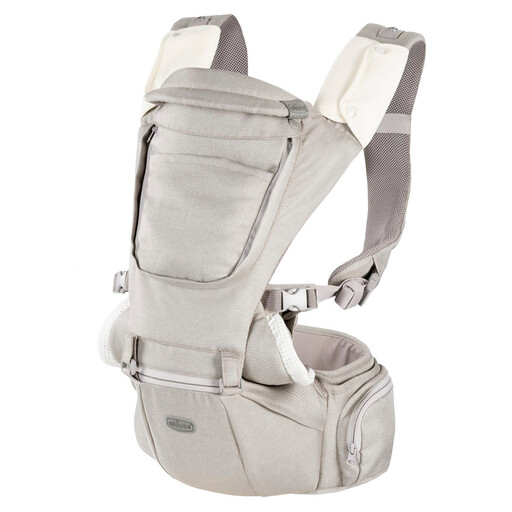
Why it's a great fit: This 3-in-1 system combines a classic carrier with a firm hip seat base. The components can be used together or separately, allowing for high adaptability to the child's age and the situation—from nursing support to carrying toddlers.
Solves the "one-size-fits-all" trap with a modular system that adapts. Recognition by the IHDI confirms correct ergonomic alignment and avoids the ergonomics trap.
Offers 8 different carrying configurations according to the manufacturer and, as a baby carrier with a hip seat, is a versatile long-term investment for children from birth (3 kg / 6.6 lbs) up to 15 kg (33 lbs).
We have compiled a complete, up-to-date list of products that fully meet these strict selection criteria and safety requirements.
This largely depends on the model. Stretchy wraps or special carriers with a newborn insert are often suitable as a carrier from birth (usually from a minimum weight of about 3.5 kg / 7.7 lbs). For many structured carriers, it is recommended to wait until the baby has stable head and neck control. Always check the manufacturer's weight and age specifications.
Look for two main features: the child's position and the comfort for the wearer. The baby should sit in the spread-squat position (M-position), with the fabric panel extending from one knee pit to the other and the back gently rounded. For the wearer, well-padded, adjustable straps and a wide hip belt that distributes the weight are crucial.
Carrying your baby facing forward should only be considered for short periods and only once your baby has excellent head and neck control and is curious about their surroundings. In this position, the ergonomic M-position is often difficult to maintain, and the child can quickly become overstimulated. The inward-facing position generally offers more support and security.