
Lieferung heute & morgen

Qualitätsgarantie

Willkommens-Angebote freischalten: KOSTENLOSE Lieferung | Bis zu 80 % RABATT | Kostenlose 30-Tage-JoyPlus-Testphase
App herunterladen
A baby carrier offers closeness and security for your child while giving you the freedom to have your hands free for daily tasks. But the market can be overwhelming, and many products promise more than they deliver. As your Joybuy Product Recommendation Officer, I'll help you identify the crucial features and make an informed choice that fits your lifestyle.
Many parents invest in a carrier that becomes uncomfortable after just a few months or fails to meet ergonomic standards. Watch out for these typical problems to avoid a bad purchase.
To make the right decision, you should focus on objective and verifiable product features. The following three points are central to the safety and comfort of both child and parent.
The most important criterion for an ergonomic baby carrier is its support for the so-called spread-squat position. In this position, the baby's knees are slightly higher than their bottom, and their legs are spread, so the hips and legs form an "M" shape. This position promotes healthy hip joint development.
A good baby carrier distributes your child's weight evenly across your hips and shoulders, not just on your back.
The material significantly influences comfort and potential uses.
Based on the criteria above, we have compiled a selection of products for various requirements.
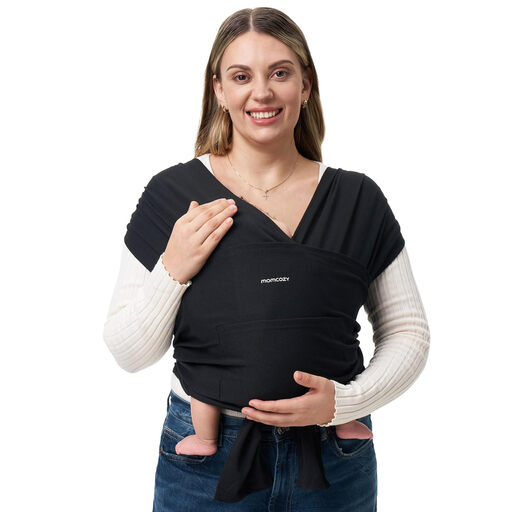
Why this model is a great fit: This stretchy baby sling is ideal for the first few months. It creates a close, secure environment similar to the womb and is easy to put on thanks to the ring system, without complicated wrapping techniques.
Instead of being a compromise for all ages, it is designed as a specialised newborn baby wrap, ensuring an optimal, snug fit.
OEKO-TEX 100 certified, breathable fabric. Quick and secure adjustment via the double-ring system.
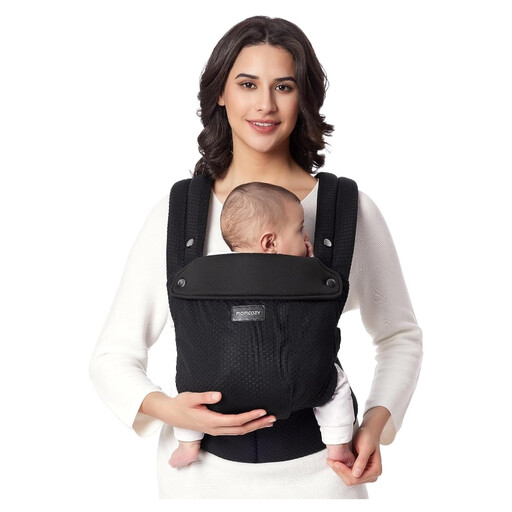
Why this model is a great fit: Perfect for summer outings or for parents who get warm easily. The large mesh panel ensures maximum air circulation and prevents heat build-up for both child and wearer.
This model specifically solves the problem of unsuitable material by being designed as a dedicated summer baby carrier, ensuring comfort in high temperatures.
Breathable mesh fabric and a cooling neck pad. Ergonomic design with an X-shaped back support for good weight distribution.
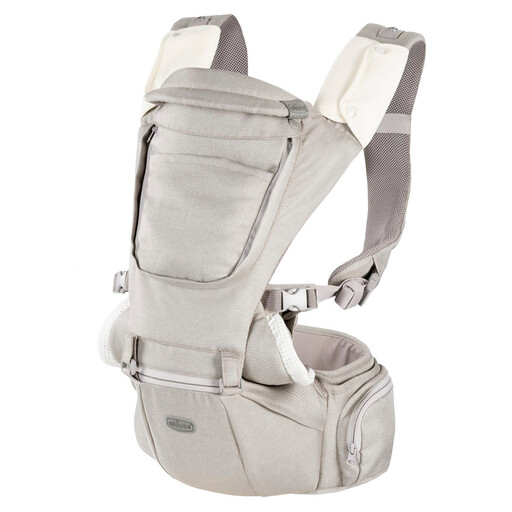
Why this model is a great fit: This 3-in-1 system combines a classic carrier with a firm hip seat base. The components can be used together or separately, offering high flexibility from the newborn stage to toddlerhood.
Instead of a compromise, this modular system offers a suitable solution for every developmental stage. The hip seat baby carrier relieves the parent's back, especially with heavier children.
Recognised as hip-healthy by the IHDI. 3-in-1 system with 8 carrying configurations for long-term use.
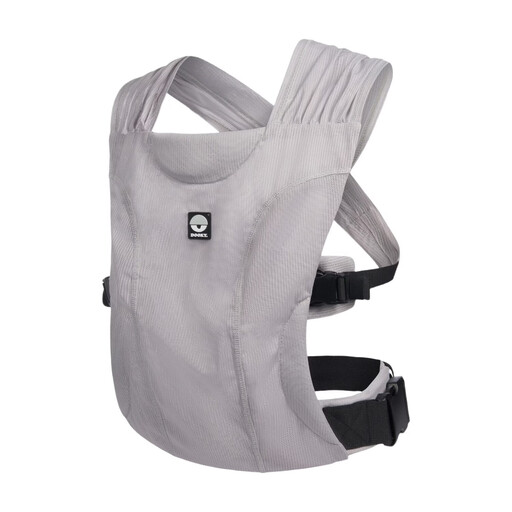
Why this model is a great fit: This carrier was specifically designed for safe contact with water. It allows you to shower with your baby or splash in the shallow end of a pool without the risk of the child slipping from your hands.
As a highly specialised water baby carrier, it solves the problem of unsuitable materials for use in water, where a normal carrier would be unsafe and impractical.
Quick-drying stretch material (Polyester/Spandex). Easy to put on with click-fasteners. SGS-tested.
We have compiled a complete, up-to-date list of products that fully meet these strict selection criteria and safety regulations.
Many carriers are designated as suitable from birth (usually from 3.5 kg / 7.7 lbs). The crucial factor is that the carrier provides good head and neck support and that the seat can be adjusted narrowly enough to prevent over-spreading of the legs. Stretchy wraps or special newborn inserts are often a good choice here. For premature babies or children with health issues, medical advice should be sought before use.
An ergonomic baby carrier supports the child's natural spread-squat position (M-position) and a slightly rounded back. For the person carrying, ergonomics means good weight distribution through a wide waist belt and padded shoulder straps to relieve the back and shoulders.
Forward-facing carrying is offered by some manufacturers from an age of about 5-6 months, once the child has stable head and torso control. However, this position should only be used for short periods in a low-stimulus environment, as the child cannot turn away from overstimulation. Furthermore, it is more difficult to ensure an ergonomic M-position in this orientation. The majority of carrying time should always be with the baby facing the wearer.