
Lieferung heute & morgen

Qualitätsgarantie

Willkommens-Angebote freischalten: KOSTENLOSE Lieferung | Bis zu 80 % RABATT | Kostenlose 30-Tage-JoyPlus-Testphase
App herunterladen
Choosing a baby carrier is a crucial step for many parents to stay mobile in their daily lives while maintaining closeness with their child. The market offers a bewildering variety, but not every model delivers on its promises. As your Joybuy Product Recommendation Officer, I'll help you navigate the common pitfalls and make an informed decision based on objective criteria.
Many well-intentioned marketing promises lead to disappointment in practice. Pay special attention to these three points to avoid a bad buy:
To find a suitable and durable baby carrier, you should focus on verifiable features rather than advertising slogans.
The most important criterion for an ergonomic baby carrier is its support for the correct spread-squat position. In this position, the baby's knees are slightly higher than their bottom, and their legs are spread at an angle of about 90 degrees. The baby's back should be slightly rounded, similar to its natural posture in the womb.
A good baby carrier grows with your child. Look for models that can be adapted to different developmental stages.
The comfort for you as a parent is crucial for how long you'll use the carrier.
Based on these objective criteria, we have compiled a selection of models for different user profiles.
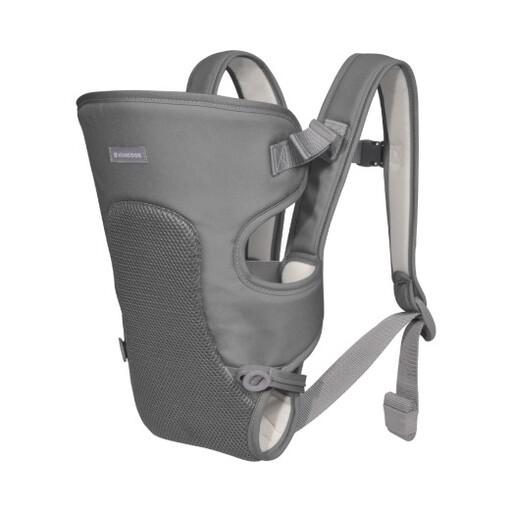
Why it's a great fit: Ideal for parents seeking a functional and ergonomic solution at an accessible price. It offers the most important carrying positions and is a solid choice for the first few months (from 3 months up to 9 kg).
The breathable mesh fabric counteracts the problem of heat build-up. The wide, padded shoulder straps and an additional safety strap prevent the pitfall of poor wearer comfort.
Offers good flexibility for the price with three carrying positions (inward-facing, forward-facing, back carry). The simple buckle system makes it easy to handle.
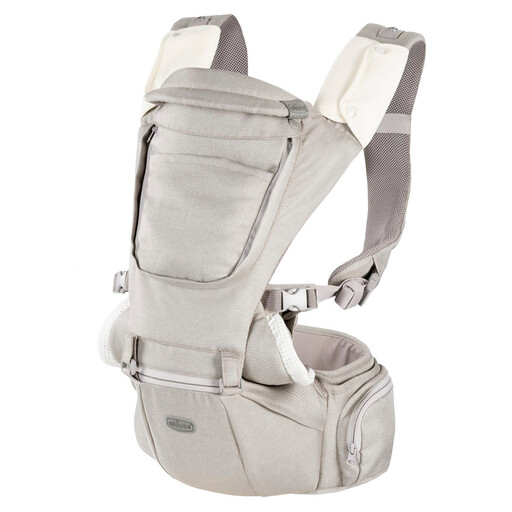
Why it's a great fit: For parents looking for a long-term, highly flexible solution. The 3-in-1 system with a detachable hip seat covers all needs from newborn (from 3 kg) to toddler (up to 15 kg).
The rigid base of the baby carrier with a hip seat optimally distributes weight onto the hips and relieves the back, actively avoiding the pitfall of poor wearer comfort. Its IHDI recognition confirms correct ergonomics and bypasses the "One-Size-Fits-All" trap.
The modular 3-in-1 system: use as a complete carrier, just the hip seat (e.g., for breastfeeding support), or as a classic carrier without the base. Offers 8 different carrying configurations.
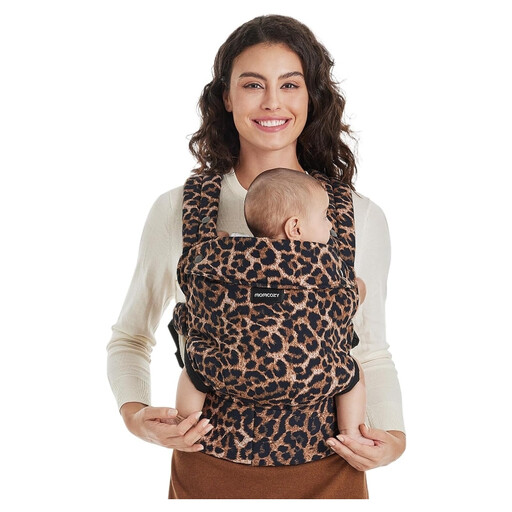
Why it's a great fit: Designed for parents who are always on the go and need a carrier for extended periods. The focus on lumbar support and the wide weight range (3.18 kg to 19.96 kg) make it a reliable everyday companion.
The "Tri-Point Support System" with an EVA panel directly targets the pitfall of parental discomfort, offering enhanced lumbar support to prevent back pain. The adjustable seat ensures a correct M-position as the baby grows.
Reinforced lumbar support to reduce back strain and a very wide weight range, allowing for long-term use. The 100% cotton material is also breathable.
We have compiled a complete, up-to-date list of products that fully meet these strict selection criteria and UK safety regulations.
Many baby carriers can be used from birth (usually from a minimum weight of 3.5 kg / 7.7 lbs). Some models require a special newborn insert for this, which narrows the seat and provides additional neck support. Always check the manufacturer's weight and age specifications to ensure the carrier is suitable for your child.
You can recognise a good ergonomic baby carrier by three main features:
The forward-facing position should be used with caution. It is only suitable for babies who have stable head and torso control and are actively curious about their environment. This position should only be used for short periods, as it offers less ergonomic support and can expose the child to overstimulation. For longer carrying times or when the baby is due for a nap, the inward-facing position is always preferable.