
Lieferung heute & morgen

Qualitätsgarantie

Willkommens-Angebote freischalten: KOSTENLOSE Lieferung | Bis zu 80 % RABATT | Kostenlose 30-Tage-JoyPlus-Testphase
App herunterladen
A baby carrier can be a real help in daily life – whether you're out for a walk, travelling, doing chores around the house, or when the pushchair just won't do. However, the choice is vast, and product descriptions often throw around terms like "ergonomic", "lightweight" or "suitable from birth" without clearly highlighting the crucial limits.
Typical buying mistakes come down to three points:
A baby carrier suitable from birth must be explicitly approved for your newborn's weight. For the models featured here, the specifications range from a minimum of 3 kg up to around 20 kg. These figures are not interchangeable:
Also pay attention to height. The Dooky Baby Carrier Be One, for example, is designed for babies from 56 to 74 cm and up to a maximum of 9 kg. That means it won't work as a universal carrier for babies and toddlers over several years.
In an ergonomic baby carrier, your baby's knees should ideally sit slightly higher than their bottom. This ergonomic M-position is supported by a sufficiently wide, adjustable seat and suitable leg supports. The back should be held in line with your child's developmental stage, without forcing them into an unnatural posture.
For the parent, wide, padded shoulder straps and a sturdy hip belt are important. A baby carrier with back support can distribute the weight better across your upper body and pelvis. Before you buy, check:
A mention of approval from the International Hip Dysplasia Institute can offer extra guidance. However, it doesn't replace reading the instruction manual and checking the individual fit.
A breathable baby carrier made from 3D mesh or air mesh can be pleasant in warm weather. At the same time, the material should be sturdy, easy to care for and softly padded at the contact points. Machine-washable models make regular cleaning easier, while delicate mesh products may only be hand-washed and air-dried.
The carrying positions should also suit your lifestyle. Front-carrying facing your body is often intended for the first stage of use. Facing outwards and back-carrying are usually linked to a minimum age or sufficient head and trunk control. Always follow the manufacturer's instructions.
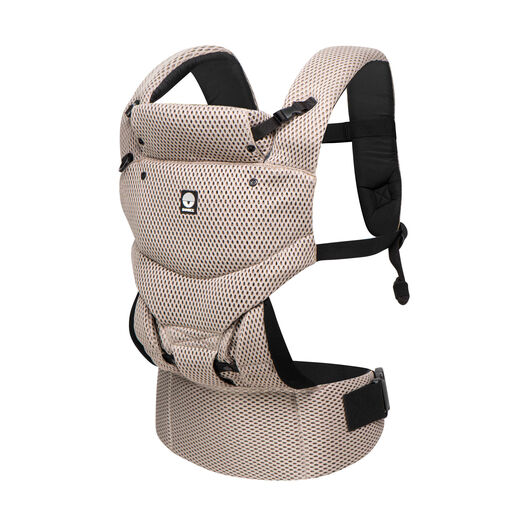
Why this product fits the profile: According to the product details, this carrier is designed for approximately 0 to 3 years and 3.5 to 15 kg. It offers three carrying positions, an adjustable seat and 3D mesh for airflow.
The age, weight and waist circumference details are clearly listed, making it easier to assess the fit before buying.
M-position, padded straps, adjustable hip belt up to 143 cm and machine-washable material.
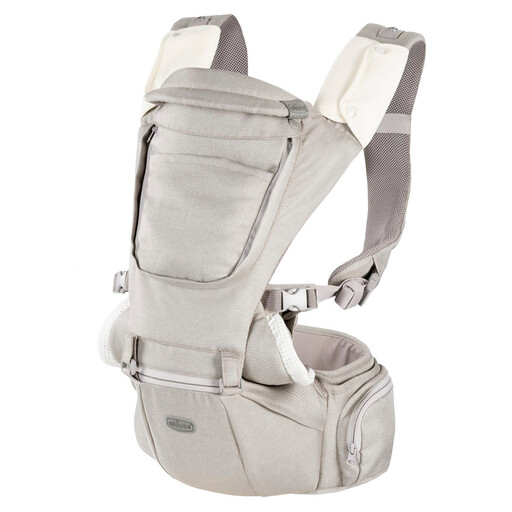
Why this product fits the profile: The 3-in-1 system combines a fabric carrier with a separately usable seat base. According to the product description, it is designed for 3 kg up to 15 kg.
The individual components can be used separately depending on the situation, reducing the need for multiple different carriers.
Eight specified configurations, removable seat base and approval from the International Hip Dysplasia Institute.
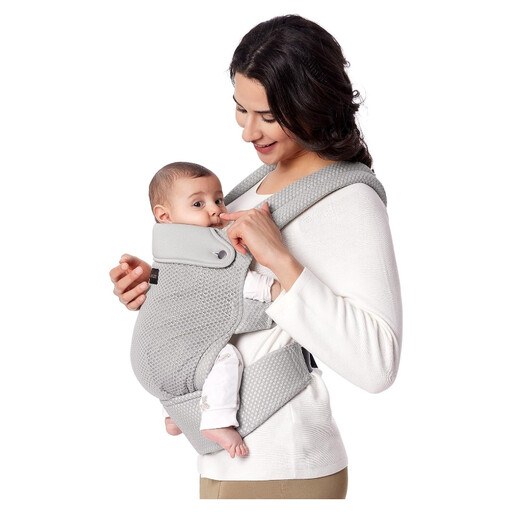
Why this product fits the profile: This air-mesh model is specified for front carrying and a weight range of approximately 3.18 to 20 kg. It's aimed at families who are often on the go or looking for a baby carrier up to 20 kg.
The product data lists the material, weight limits and three adjustment positions, helping to avoid the common confusion between "lightweight" and "suitable".
Breathable mesh, EVA waist support, X-shaped back panel and machine-washable material.
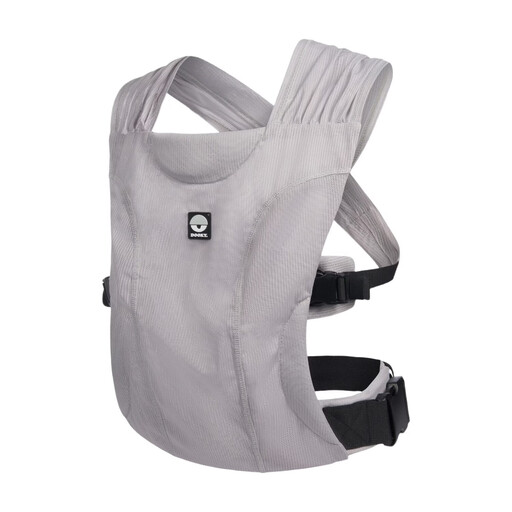
Why this product fits the profile: This special water carrier is designed for babies from around 3 to 12 months, or 56 to 74 cm, and is intended for use in the shower or pool.
The warnings clearly define its use: not a rescue aid, not for unsupervised carrying and not for deep or open water.
Quick-drying stretch material, click-fast buckles and a clearly defined use in shallow water under supervision.
We've put together a full, regularly updated list of products that fully meet these strict selection criteria and the safety regulations in force in the EU.
That depends on the specific model. A baby carrier for newborns must be explicitly approved from the stated minimum weight. Some products are designed from around 3 kg, others from 3 months or from a certain height. For premature babies or special health conditions, you should seek medical advice before use.
There is no general time limit. Pay attention to the manufacturer's limits, your child's posture and your own comfort. Change position if your baby seems restless, and stop using the carrier if you experience pain or pressure points. The maximum weight limit, for example 15 or 20 kg, only describes the permitted load limit, not a recommended daily carrying duration.
The price depends on factors such as material, adjustability, carrying positions and extra features like a hip belt or seat base. Don't just compare the purchase price – also consider the care requirements, how long you'll be able to use it, and whether the model is suitable for the stage of life you need it for.