
Lieferung heute & morgen

Qualitätsgarantie

Willkommens-Angebote freischalten: KOSTENLOSE Lieferung | Bis zu 80 % RABATT | Kostenlose 30-Tage-JoyPlus-Testphase
App herunterladen
A baby carrier can be a practical everyday essential: it keeps your hands free, makes travelling on public transport easier, and is ideal for walks or trips away. However, the choice can often seem straightforward, even though carriers differ significantly in weight limits, fit, carrying positions and care.
Three common buying mistakes frequently lead to the wrong purchase:
Before buying, parents should compare their child’s current weight and height with the manufacturer’s specifications. A baby carrier from birth typically starts at around 3 kg or 3.5 kg, depending on the model. Other carriers, according to product details, are only suitable for babies from around three months old or from a certain height.
The upper limit is also important. A baby carrier up to 20 kg can offer a longer period of use, provided the child sits safely and comfortably in the relevant position. However, the maximum weight alone doesn’t indicate whether a carrier is suitable for a newborn.
With a baby carrier with M-position, the child’s knees are positioned higher than their bottom. For this, the seat panel needs to be wide enough and adjustable. It’s important that the fabric reaches from the back of one knee to the other without digging in.
An ergonomic baby carrier should also support the child’s back according to their developmental stage, without forcing a rigid posture. For newborns, you also need to ensure clear airways, a visible nose, and stable head support. If you have any concerns, or in the case of premature birth or specific health conditions, seek medical advice before use.
Wide, padded shoulder straps and an adjustable waist belt can help distribute the weight more evenly. Check the maximum waist measurement and whether the straps can be adapted to different body sizes.
A comfortable baby carrier shouldn’t just fit the child. When trying it on, the waist belt should sit securely without slipping. The shoulder straps must not dig into your neck. For longer journeys, a back support, breathable fabric structure or a supportive hip area can be practical.
A baby carrier with multiple carrying positions can be useful for different everyday situations. However, each model has its own specific requirements:
With a breathable baby carrier, look for mesh or air-permeable fabric sections. This can be pleasant in warm weather, but doesn’t replace regular checks of your child’s body temperature. Cotton, polyester, stretch fabric and blended materials also differ in terms of care, drying time and shape retention.
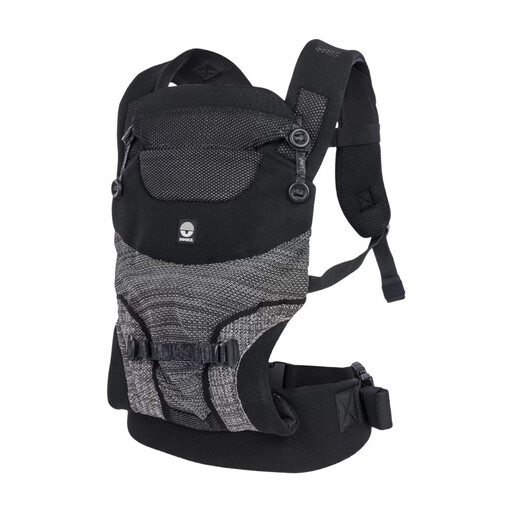
Why this product fits the profile: According to the product details, this carrier is suitable for 3.5 to 15 kg and approximately 0 to 3 years. Three carrying positions and a waist measurement of up to 159 cm offer practical everyday adaptability.
The adjustable seat panel and the specified M-position make the relevant fit features clearer than relying on comfort promises alone.
Soft stretch fabric, padded shoulder straps, adjustable waist belt and three specified carrying positions.
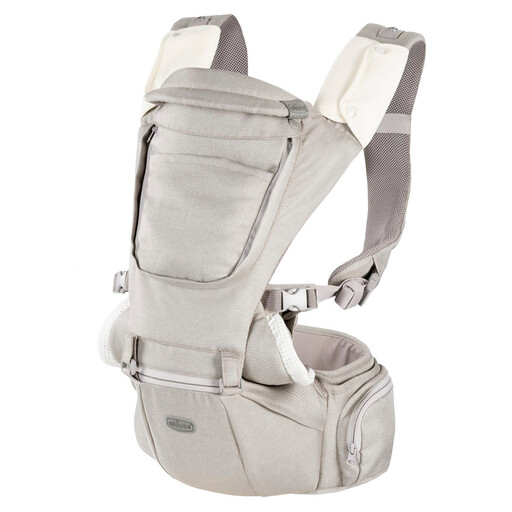
Why this product fits the profile: According to the product description, the 3-in-1 system combines a firm hip seat with a fabric carrier. It is specified for 3 kg to 15 kg and offers eight configurations for different everyday situations.
The weight limits, the individual usage types and the separate use of the hip seat are all clearly specified.
Detachable hip seat, eight specified carrying configurations and a machine-washable cover at 30 °C.
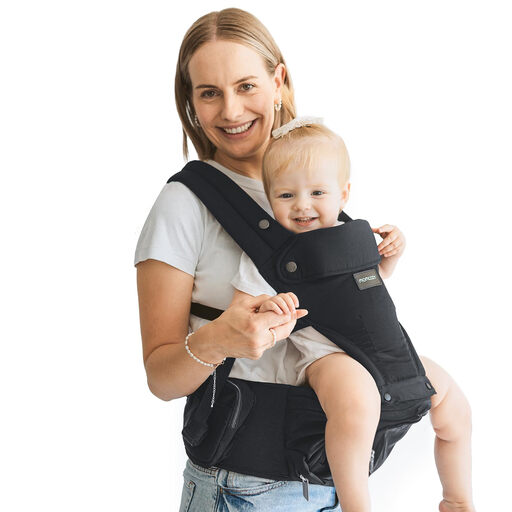
Why this product fits the profile: According to the product details, this model is designed for approximately 3 to 24 months and 3.2 to 20 kg. The detachable hip seat is ideal for parents who want to switch between a classic carrier and hip support.
The weight limit of up to 20 kg is combined with specific usage guidelines; according to the details, additional age limits apply for individual positions.
Six specified carrying positions, padded hip seat, X-shaped straps and a fit for waist measurements up to 120 cm.
We’ve put together a complete, regularly updated list of products that fully meet these strict selection criteria and the safety regulations in force in the EU.
This depends on the specific model. A baby carrier from birth must be explicitly approved for the newborn’s minimum weight and provide appropriate support for the head, back and hips. The information in the product instructions is what matters. For premature babies or specific health conditions, seek medical advice beforehand.
The duration of use depends on the child’s weight, height and developmental stage. Models specified for 3.5 to 15 kg can be used for several months or years, depending on growth. A carrier with a 20 kg limit isn’t automatically suitable for every position up to that weight. Always check the position and age specifications.
The price depends on factors such as materials, adjustability, hip seat, carrying positions and care features. Rather than just looking at the purchase price, it’s worth comparing the permitted weight ranges, the fit for the wearer and the expected duration of use. It remains important to check all straps, buckles and seams before each use.