
Lieferung heute & morgen

Qualitätsgarantie

Willkommens-Angebote freischalten: KOSTENLOSE Lieferung | Bis zu 80 % RABATT | Kostenlose 30-Tage-JoyPlus-Testphase
App herunterladen
A baby carrier promises mobility and closeness to your child—two invaluable advantages in daily life with an infant. But the market is overwhelming, and many products don't live up to their advertising claims. The wrong choice not only leads to unused purchases but can also compromise comfort for both parent and child. This guide will help you identify the crucial features and steer clear of common buying traps.
Before exploring different models, it's important to understand the typical problems that often only become apparent after the purchase.
To avoid a bad buy, you should base your decision on objective criteria. The following three points are central to the safety and comfort of both the child and the wearer.
The most important feature of an ergonomic baby carrier is its ability to support healthy hip and spine development. Pay attention to two key aspects:
A comfortable baby carrier distributes the child's weight evenly across the wearer's hips and shoulders, rather than concentrating the load solely on the shoulders.
The material affects not only how it feels against the skin but also the climate inside the carrier.
Instead of making a blanket recommendation, we have matched models based on different user profiles.
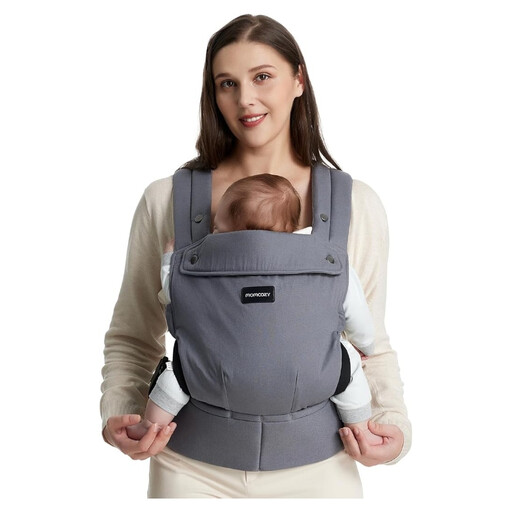
Why this model is a good fit: Ideal for parents who want to carry their child frequently and for extended periods. The focus is clearly on relieving strain on the wearer, which is crucial for daily errands or long walks.
Directly addresses the problem of poor carrying comfort with a supportive system. The EVA panel in the hip belt acts as lumbar support, and the crossed straps distribute weight effectively.
The combination of EVA waist support and an X-shaped back design provides noticeable weight distribution. The 100% cotton material is soft and easy to care for (machine washable).
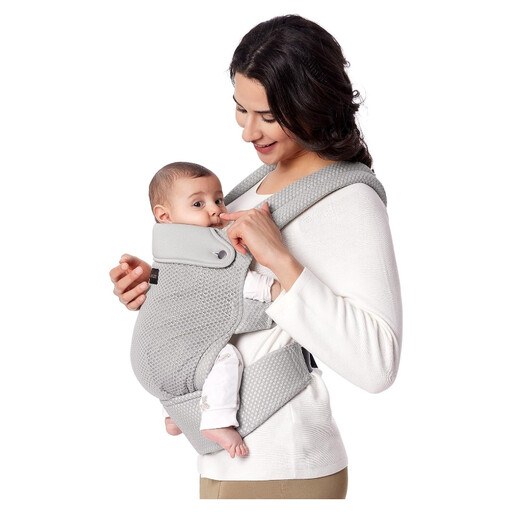
Why this model is a good fit: Perfect for use in the summer, in warm apartments, or during physical activity. Breathability is the top priority here to prevent overheating for both child and wearer.
Solves the problem of unsuitable materials for warm weather. The large air-mesh panel and cooling neck fabric are specifically designed for maximum air circulation.
The main function is high breathability thanks to the mesh fabric, while still retaining ergonomic benefits like the M-position and lumbar support.
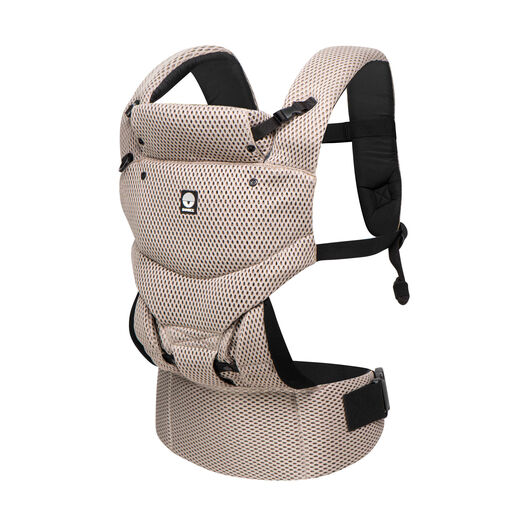
Why this model is a good fit: A functional and flexible solution for parents looking for a versatile carrier without a large budget. It offers multiple carrying positions for different developmental stages.
Bypasses the "one-size-fits-all" trap through clearly defined, age-appropriate carrying positions (e.g., back carry only from 6 months) and an adjustable seat, rather than a single compromise solution.
Offers three carrying options (front-inward, front-outward, back) at an accessible price. Acknowledged as hip-healthy by the International Hip Dysplasia Institute, according to the manufacturer.
We've compiled a complete, up-to-date list of products that meet these strict selection criteria and safety requirements, including many breathable options for all seasons.
Most manufacturers specify a minimum weight, often around 3.2 kg or 3.5 kg (7 or 8 lbs). The crucial factor is that the carrier provides adequate head and neck support as long as the baby cannot hold their head up independently. Some models require a separate newborn insert for this, while others have an integrated, adjustable seat. Always check the manufacturer's specifications regarding suitability as a baby carrier from birth.
The majority of modern baby carriers are machine washable. It is recommended to close all buckles before washing and use a gentle cycle with a mild detergent. Always follow the care label on the product. Air drying is generally preferable to using a dryer to protect the material and structural components.
The forward-facing position should only be used once the baby has stable head and neck control, which typically occurs around the 5th or 6th month. It is critically important that the carrier supports an ergonomic M-position for the legs even in this position, and that the legs do not simply dangle. To avoid overstimulation, the duration of carrying in this position should be limited.