
Lieferung heute & morgen

Qualitätsgarantie

Willkommens-Angebote freischalten: KOSTENLOSE Lieferung | Bis zu 80 % RABATT | Kostenlose 30-Tage-JoyPlus-Testphase
App herunterladen
Choosing the right baby carrier can make daily life with an infant significantly easier. It gives parents their hands back and provides the child with a sense of security. However, the market is overwhelming, and not every model delivers on its promise. Many parents invest in a carrier that becomes uncomfortable after a few months, causes the baby to sweat, or is simply impractical. This guide will show you what to look for to make an informed decision.
Before we dive into the key features, let's highlight the typical problems that lead to dissatisfaction. If you know what they are, you can actively avoid them.
To avoid the problems mentioned above, focus on the following three core parameters when making your choice.
An ergonomic baby carrier is essential. Look for a wide, adjustable seat that extends from one of your child's knees to the other, thus ensuring the M-position. For the parent's comfort, broadly padded shoulder straps and a sturdy hip belt are crucial. These distribute the child's weight evenly, relieving pressure on your back and shoulders. Some models offer crossed shoulder straps, which many people find even more comfortable.
The material is critical, especially for use in the summer or for active parents. A mesh baby carrier is an excellent choice here. This net-like material allows for maximum air circulation and prevents heat from building up between you and your child. For the cooler seasons, a carrier made of cotton or a cotton blend can be pleasant.
Consider how long you plan to use the carrier. Many models are suitable for babies from 3 months onwards, once they have developed stable head control. Some offer special newborn inserts for earlier use. The available carrying positions are important:
Here are some product recommendations tailored to different parent profiles that take the above criteria into account.
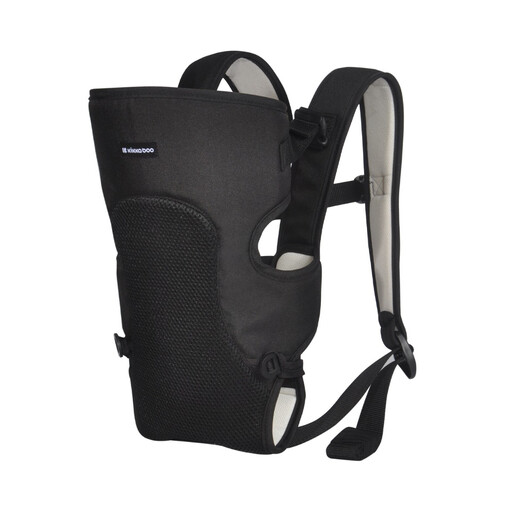
Why This Fits Their Persona: Ideal for parents who don't want to give up their walks, even on warmer days. The lightweight design and breathable material ensure that neither parent nor child will overheat.
The Kikka boo Myra bypasses the material trap by using breathable mesh fabric, which ensures optimal air circulation and prevents heat buildup.
Offers three carrying positions (front-inward, front-outward, back) to adapt as your child grows. An additional cross-strap prevents the shoulder straps from slipping.
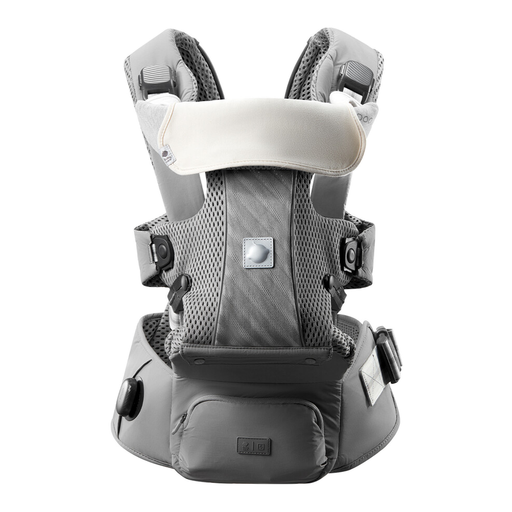
Why This Fits Their Persona: Perfect for parents who carry their child often and for long periods. The integrated hip seat significantly relieves the wearer's back and shoulders, which is especially beneficial on longer outings or around the house.
This model addresses the ergonomics trap not just for the child, but for the parent as well. The hip seat ensures better weight distribution, preventing the back pain that often occurs with simpler carriers.
The hip seat provides a stable and comfortable sitting surface for the child and reduces pressure on the wearer's pelvic floor and back. Users describe it as being particularly easy to put on and take off.

Why This Fits Their Persona: For parents who want not only their child but also all their essentials perfectly organised and within reach. This bag is the ideal complement to a baby carrier, ensuring you're prepared for any situation on the go.
This product solves the related problem of the "usability trap" in a broader context: it prevents the chaos of a disorganised diaper bag. Removable compartments and a thoughtful layout save time and frustration.
Extremely versatile, can be used as a backpack, shoulder bag, or stroller attachment. Includes an insulated bottle holder, changing mat, and removable storage pouches for maximum organisation.
We've compiled a complete, up-to-date list of products that fully meet these strict selection criteria and all relevant safety regulations.
Most structured baby carriers are designed for babies from 3 months (approx. 62 cm in height) who already have good head control. For newborns, there are special baby wraps or carriers with an integrated newborn insert that provides extra support. Always follow the manufacturer's weight and age recommendations.
First, read the manufacturer's care label. Many carriers can be machine-washed on a gentle cycle at a low temperature (30°C). Fasten all buckles and Velcro closures beforehand and preferably use a laundry bag. Use a mild, bleach-free detergent. To dry, the carrier should be air-dried and not put in a tumble dryer to protect the material and padding.
Yes, a back carrier for a baby is safe, provided it is used correctly and at the right time. This carrying position is recommended for babies who can already sit up independently and have excellent head and neck control, which is typically the case from 6 to 9 months of age. Ensure the straps are tightened securely and the child is sitting safely in the carrier before you stand up straight. It's best to practice putting it on and taking it off over a bed or with the help of a second person at first.