
Lieferung heute & morgen

Qualitätsgarantie

Willkommens-Angebote freischalten: KOSTENLOSE Lieferung | Bis zu 80 % RABATT | Kostenlose 30-Tage-JoyPlus-Testphase
App herunterladen
Choosing a baby carrier can be a daunting task for expectant parents. The market offers a plethora of models, all promising comfort and safety. However, not every carrier is suitable for every family or every child. Certain design features, often advertised as benefits, can prove impractical or even unsuitable in daily use. This guide will help you understand the crucial criteria and make an informed decision.
As your Joybuy Product Recommendation Officer, I have analysed the most common pitfalls to help you find a carrier that is both functional and comfortable for you and your child.
Many well-intentioned purchases end with an unused baby carrier in the closet. This is often due to clever marketing that masks fundamental functional flaws. Pay close attention to these three points:
To avoid the pitfalls mentioned above, you should focus on three objective criteria. These define the quality, safety, and long-term value of a carrier.
An ergonomic baby carrier is paramount. For the child, this means two things:
Ergonomics are just as important for the parent. Look for wide, well-padded shoulder straps and a sturdy hip belt. These elements distribute the child's weight evenly across your hips and shoulders, relieving pressure on your back.
The material influences both comfort and where you can use the carrier. Pure cotton fabric is soft, skin-friendly, and suitable for year-round use. For summer or for parents who sweat easily, models with mesh panels are an excellent choice as they allow for better air circulation.
Adjustability is also crucial. Check if the seat width, strap length, and headrest can be adjusted easily and securely. This ensures the carrier can grow with your child and can also be used comfortably by different people (e.g., both parents).
There are several different systems, each with its own advantages:
Here are some models tailored to specific parental needs that meet the core parameters we've discussed.
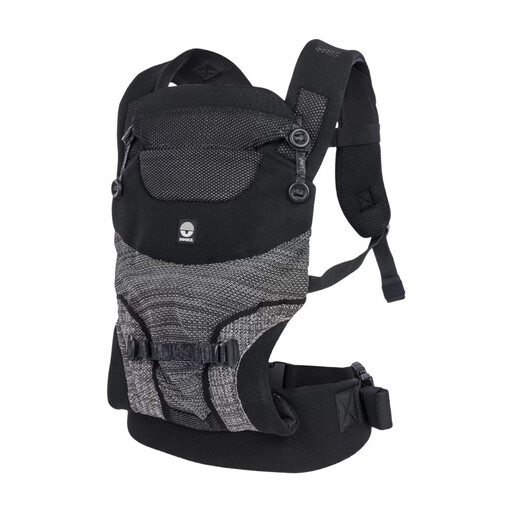
Why This Fits Their Persona: This model offers essential ergonomic features and high versatility at an accessible price point. It's a solid choice for parents looking for a reliable and safe carrier for everyday use without a major budget commitment.
The carrier is designed for a wide weight range of 3.5 to 15 kg and features an adjustable seat. This allows it to bypass the 'one-size-fits-all' pitfall by adapting to the growing child.
Supports the ergonomic M-position and is tested according to safety standard EN 13209-2:2015. Offers three carrying positions (front-inward, front-outward, and back).
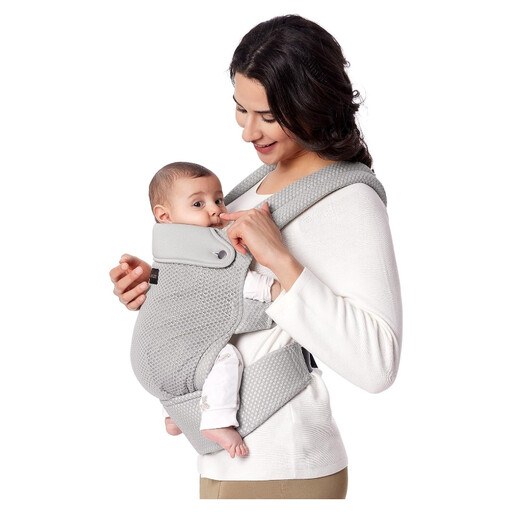
Why This Fits Their Persona: Perfect for parents who are always on the go or whose baby is born in the summer. The mesh fabric ensures maximum ventilation, while the integrated lumbar support enhances comfort during longer walks.
This model actively counteracts the 'sweat trap'. The air-mesh panel and cooling neck fabric are specifically designed to prevent overheating and maximise comfort in warm weather.
Promotes the M-position for healthy hip development and features an X-shaped back design for optimal weight distribution for the wearer.
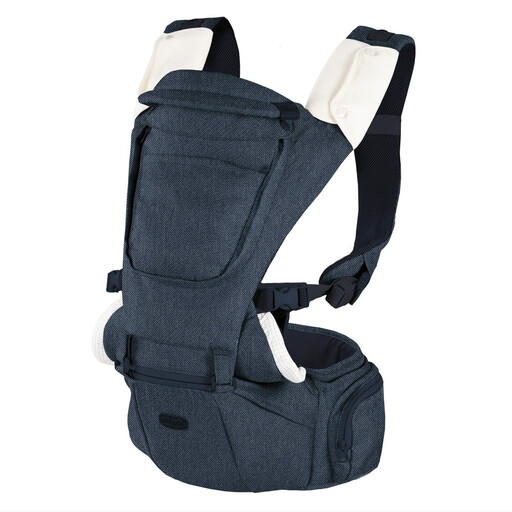
Why This Fits Their Persona: The 3-in-1 system with a detachable hip seat is extremely versatile. The hip seat alone can be used for short carrying periods around the house to relieve arm strain, while the complete carrier is ideal for longer outings. This modularity makes it a sustainable investment.
This model addresses the pitfall of hidden ergonomic flaws. It is recognised by the International Hip Dysplasia Institute (IHDI) as a hip-healthy product, and the firm base supports the posture of both child and parent.
Multifunctional 3-in-1 system with a detachable hip seat. It provides ergonomic support and promotes correct posture for the wearer through better weight distribution.
We have compiled a complete, up-to-date list of products that fully meet these strict selection criteria and German safety regulations.
Many carriers are suitable as a carrier from birth, but you must always check the manufacturer's weight and size specifications. Typically, the minimum weight is around 3.2 to 3.5 kg. For newborns, it is crucial that the carrier provides good head and neck support and allows for a correct ergonomic posture (C-shaped back, M-Position). A baby wrap or a carrier with a special newborn insert are often good options for the early days.
You can recognise an ergonomic baby carrier by several features: The carrier's seat panel should be wide enough to support the child's thighs from one knee pit to the other. The knees should be positioned higher than the bottom (M-Position). The back panel should be flexible enough to support the natural curve of the baby's back. A seal of approval, such as recognition by the International Hip Dysplasia Institute (IHDI), is an additional indicator of an ergonomically tested design.
Some carriers offer a forward-facing position. However, this should be used with caution and only once your baby has stable head and neck control (usually from around 5-6 months). It is important to use this position only for short periods to avoid overstimulation. Ensure that even in this position, the seat is wide enough to maintain an ergonomic posture and that the child is not left dangling by the crotch. Not every front carrier is suitable for this position; always check the manufacturer's instructions.