
Lieferung heute & morgen

Qualitätsgarantie

Willkommens-Angebote freischalten: KOSTENLOSE Lieferung | Bis zu 80 % RABATT | Kostenlose 30-Tage-JoyPlus-Testphase
App herunterladen
A baby carrier can be a practical alternative to a pushchair at home, on walks or when you’re out and about. However, carriers vary considerably in their weight range, seat width, materials and how they fasten. The most important thing is not just the design, but whether the carrier suits your child’s age, height and weight, as well as the needs of the person carrying them.
The label baby carrier from birth doesn’t mean the same thing for every model. Some products are listed by the manufacturer as suitable from a certain minimum weight, but may also require good head control or careful adjustment of the seat. Always check:
A model listed for 3 to 20 kg isn’t automatically suitable for every newborn. The instructions and the actual fit are what matter.
An ergonomic baby carrier should hold your child upright and close to your body. Their legs should form a supported M-position: their knees should sit higher than their bottom, with their thighs properly supported. A narrow seat or a fit that’s too loose can affect this position.
It’s also important to consider how the weight is distributed. Wide shoulder straps, an adjustable waist belt and a supportive back panel can distribute the load differently from simple, narrow straps. However, that doesn’t mean the same design will feel comfortable for everyone.
An air-permeable baby carrier can feel more comfortable in warm weather, but it doesn’t replace regular checks. Mesh helps air circulate, while cotton can feel soft against the skin. You should also look for:
A lightweight baby carrier is especially handy for travel and short trips. However, its weight alone tells you little about its stability or comfort.
Compare the manufacturer’s specifications with your child’s current weight. Models with a range of 3 to 20 kg may be suitable for longer, provided the seat insert and head support are adjusted correctly. Other carriers, for example, are designed for 3.5 to 15 kg or for a height of 56 to 74 cm.
A baby carrier for babies and toddlers should be able to grow with your child without the seat having to be adjusted too wide or too narrow. Age recommendations are only a guide; weight, height and stage of development are also relevant.
Look for an adjustable seat width and a back panel that fits snugly. A baby carrier with an M-position should support your child’s thighs without letting their legs dangle. For parents, a baby carrier with hip support or an additional waist belt can help distribute the weight.
Some models use EVA components or firmer base panels. These can provide extra support, but may also make the carrier heavier and less compact. Before you buy, it’s worth checking the carrier’s weight, strap layout and maximum waist size.
Check all buckles, seams and straps before each use. Your baby’s airways must remain clear, and they must never be left unattended in the carrier. A baby carrier is not a safety device for falls or road accidents.
For products labelled EN 13209-2:2015, check whether this claim applies specifically to the model on offer. This standard is listed in the product details for Dooky Urban Comfort models. Washability, drying and material care also affect how long you can use the carrier in practice.
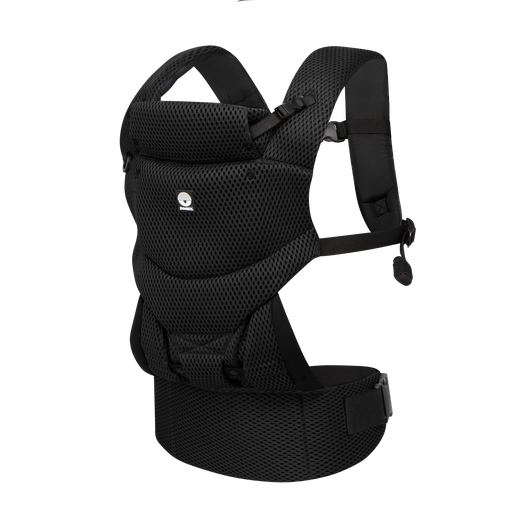
Why it suits this need: According to the product details, this carrier is designed for around 3.5 to 15 kg and offers three carrying positions for everyday use and walks.
The adjustable seat and stated M-position help prevent the seat from being too narrow or rigid. Check the size specifications before buying.
3D mesh, padded straps, an M-position and options for carrying your baby on your front or back.
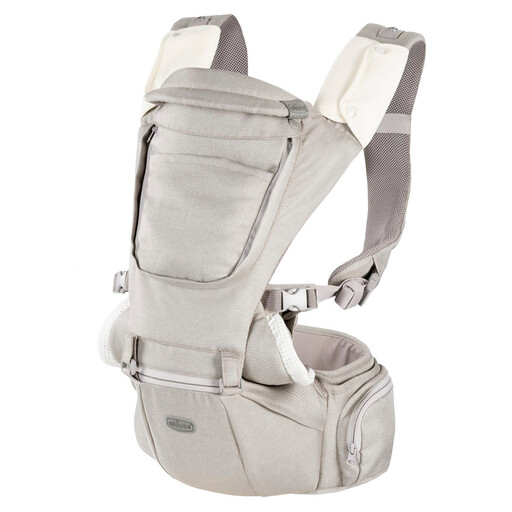
Why it suits this need: This 3-in-1 system combines a fabric carrier with a detachable hip-seat base that can also be used on its own. According to the product details, it’s designed for babies weighing 3 to 15 kg.
The different configurations make it clear which components are being used. Before each use, make sure the base, fabric section and buckles are connected correctly.
Eight described carrying configurations, a machine-washable cover and recognition by the International Hip Dysplasia Institute, according to the product details.
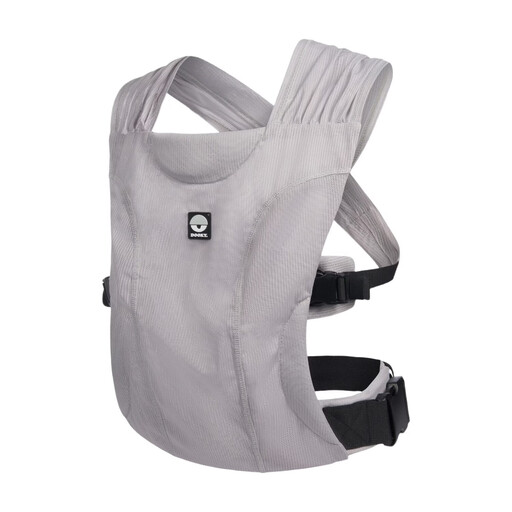
Why it suits this need: According to the manufacturer, this water carrier is designed for use in the shower and pool, for babies around 56 to 74 cm tall, and only under direct supervision.
Its clearly defined purpose helps avoid mistaking it for an everyday or sleep carrier. This product is not a flotation aid and must not be used in deep or open water.
Quick-drying stretch fabric and clip fastenings for the intended use in shallow water.
We’ve put together a complete, regularly updated list of products that meet these strict selection criteria and fully comply with the safety regulations in force in the EU.
Take your time to adjust the baby carrier before using it for the first time. Your child should sit as upright and close to your body as possible, with their face visible. Then check all the buckles and tighten the straps so your child is held securely without restricting their breathing or freedom of movement.
Avoid activities where there’s a risk of falling, such as jogging, cycling or working near open flames. A baby carrier with back support can help distribute the load, but it won’t make up for a poor fit. If you feel pain or pressure, or are unsure about the fit, stop using the carrier and check how it’s adjusted.
It depends on the minimum weight, your baby’s height and the carrier’s design. A baby carrier suitable from birth should provide enough support for the head and neck and be explicitly approved for a newborn’s weight. If your baby was born prematurely or has specific health needs, it’s a good idea to speak to a healthcare professional.
This depends on the stated weight and height range, as well as your child’s development. Models designed for around 3 to 20 kg may be usable for longer than carriers for 3.5 to 15 kg. What matters most is whether your child’s back, head and legs can still be positioned correctly.
Aside from the purchase price, you’ll usually only have care costs. Machine-washable models use water and detergent, and may need a gentle wash cycle. Follow the manufacturer’s care instructions, particularly for mesh, buckles and padded components.