
Lieferung heute & morgen

Qualitätsgarantie

Willkommens-Angebote freischalten: KOSTENLOSE Lieferung | Bis zu 80 % RABATT | Kostenlose 30-Tage-JoyPlus-Testphase
App herunterladen
Choosing the right baby carrier is a major decision for parents. A suitable carrier not only promotes bonding but also offers practical advantages in daily life. However, the market is confusing and filled with marketing promises that often create more confusion than clarity. Many parents invest in models that prove to be impractical or uncomfortable after a short time. This guide will help you understand the crucial criteria and avoid common purchasing traps.
Before we dive into the technical details, it's important to know the most common issues that can lead to a bad purchase.
To make an informed decision, you should check three core technical aspects. These determine the safety, comfort, and longevity of a carrier.
The most important feature of an ergonomic baby carrier is its support for the child's correct posture. The so-called spread-squat position or M-Position is fundamental for healthy hip development. In this position, the baby's knees are slightly higher than their bottom, and their legs are spread, so the hips and thighs form an "M" shape.
The material affects comfort for both the child and the wearer. A breathable baby carrier is particularly advantageous in warmer months or for active parents.
A good baby carrier can be precisely adjusted to the wearer's body and the child's size.
Instead of making a blanket recommendation, we have matched models to different user profiles and needs.
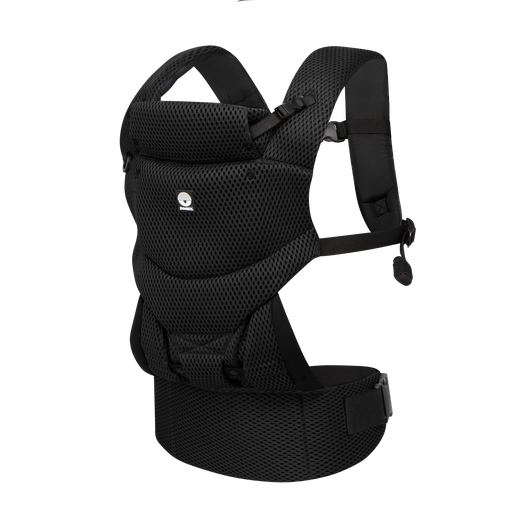
Why This Fits Their Persona: Ideal for parents seeking a functional and ergonomically approved solution without a large budget. It covers the basic needs from birth to toddlerhood, focusing on essential features.
This model avoids the trap of an overloaded design. It focuses on core functions: the M-position, three carrying positions, and good weight distribution for the parent via wide straps.
Recognised by the International Hip Dysplasia Institute. Made from breathable 3D mesh fabric for good ventilation.
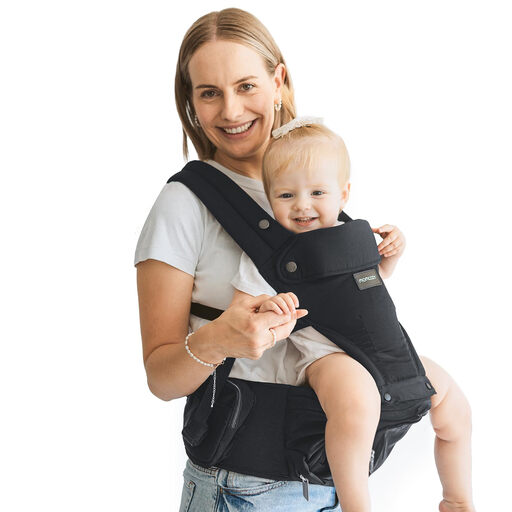
Why This Fits Their Persona: Perfect for parents looking for a flexible, long-term solution. The detachable hip seat provides a stable perch for older children and relieves arm strain, while the full carrier serves younger babies and longer outings.
This model escapes the "one-size-fits-all" trap with its modular 2-in-1 design. Instead of a compromise, it offers two specialised solutions: a full-featured carrier and a separate hip seat.
Offers six different carrying positions. The hip seat promotes the M-position and can be used separately, extending its lifespan.
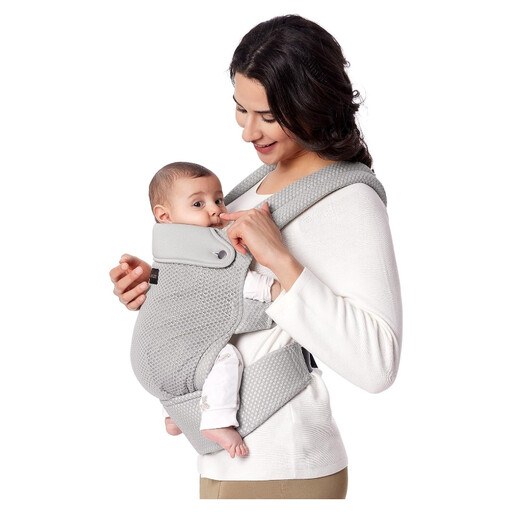
Why This Fits Their Persona: Suitable for active parents or for use in warmer months. The mesh fabric ensures excellent air circulation, preventing both parent and child from overheating without compromising on ergonomic support.
This model directly addresses the often-overlooked issue of heat buildup. It combines a back-friendly design for the parent with a breathable material for the child.
Lightweight air-mesh fabric for maximum breathability. Integrated EVA waist support and an X-shaped back design for optimal weight distribution.
We have compiled a complete, up-to-date list of products that fully meet these strict selection criteria and UK/EU safety regulations.
Most baby carriers are designed for a minimum weight of about 3.2 to 3.5 kg (7 to 7.7 lbs) and can therefore be used as a carrier from birth. The crucial factor is that the carrier provides adequate head and neck support for the newborn and ensures the M-position. Always read the manufacturer's specifications for minimum weight and age recommendations. For premature babies or children with health issues, medical advice should be sought before use.
A back-friendly baby carrier is characterised by two main features: wide, well-padded shoulder straps and a firm, wide hip belt. The hip belt is the most important element, as it transfers the majority of the weight from the shoulders to the more stable hip area. An X-shaped strap system on the back can further improve load distribution and prevent the straps from slipping.
A baby wrap is a long piece of fabric that is tied in various ways to carry the baby against the body. It offers a highly customised fit but requires practice with the tying technique. A baby carrier (also called a soft-structured carrier or buckle carrier) is a pre-formed carrying system with buckles and straps. It is generally quicker and easier to put on but may offer less flexibility in fit than a wrap.