
Lieferung heute & morgen

Qualitätsgarantie

Willkommens-Angebote freischalten: KOSTENLOSE Lieferung | Bis zu 80 % RABATT | Kostenlose 30-Tage-JoyPlus-Testphase
App herunterladen
Introducing solid foods is a major milestone for you and your baby. But when it comes to choosing the right cereal, parents often face an overwhelming selection. Different varieties, preparation methods, and long ingredient lists can be confusing. This guide will help you understand the key criteria and avoid common pitfalls when selecting a product.
A common issue is the "no added sugar" label. While this means no refined sugar has been added, products can still have a high sugar content from fruit juice concentrates or other sweetening ingredients. Another point of confusion is the difference between instant cereals that you mix yourself and ready-to-eat baby food in a jar. What seems convenient isn't always the most suitable option for your baby's individual needs.
To make an informed decision, it helps to examine three core aspects: the ingredients, the type of cereal, and the age recommendation.
A look at the ingredient list is essential. A baby cereal with no added sugar should ideally not contain any sweetening ingredients like fruit concentrates or syrups. The sugar content in the nutritional table reveals the amount of naturally occurring sugar from the ingredients (e.g., in fruits or milk). For starting solids, products with a short, easy-to-understand ingredient list are best. An organic baby cereal can also be an indicator of certified agricultural origins.
The choice of cereal type depends on your child's age and the intended use:
The manufacturer's age recommendation is an important guide. At the beginning of weaning, single-grain, gluten-free varieties like rice or millet are often recommended. Later, gluten-containing cereals such as oats or spelt, as well as porridges with fine pieces to encourage chewing, can be introduced. Brands like Hipp baby cereal or Bebivita milk cereal offer a phased range for this purpose.
Here you will find a selection of products tailored to the specific needs of parents and babies.
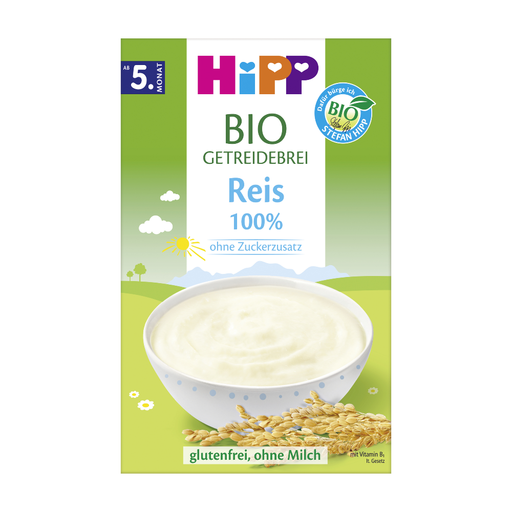
Why it's a great fit: Perfect for parents starting their baby on the first solid foods. The pure recipe allows you to gently test the tolerance of cereal without overwhelming the baby with too many flavours.
Consists of 100% rice flour with no added sugar. The naturally occurring sugar content is very low at 0.3 g per 100 g of powder, ensuring there are no hidden sweeteners.
Gluten-free and versatile, it can be prepared as a milk porridge, a dairy-free porridge, or a fruit-cereal porridge. Contains Vitamin B1, which is required by law for baby food.
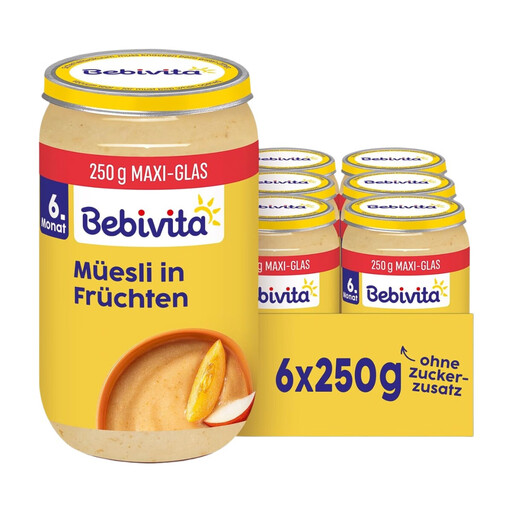
Why it's a great fit: For parents who need a quick and hassle-free meal for in-between times or on the go. The porridge is ready-to-eat and requires no preparation.
The ready-to-eat format in a jar eliminates time-consuming preparation. It consistently avoids added sugar; the sweetness comes exclusively from the fruits included.
Ready to serve immediately and perfect for travel. The combination of fruits and whole grains provides a balanced snack.
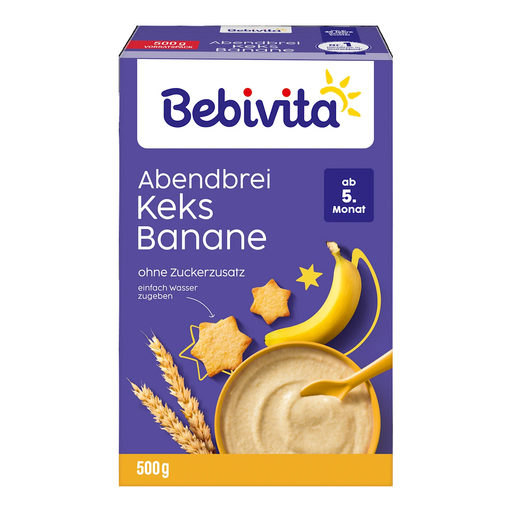
Why it's a great fit: Designed as a filling evening meal to prepare your baby for the night. The simple preparation with water makes it a convenient solution for the bedtime ritual.
This porridge is specifically designed as an evening meal and contains filling cereal. It has no added sugar or sweetening juice concentrates.
Fortified with calcium, iron, and vitamin D. Preparation is straightforward, as only water needs to be added.
We've compiled a complete, up-to-date list of products that fully meet these strict selection criteria.
Look for the "no added sugar" label on the packaging. Additionally, check the ingredient list. Ingredients like "fruit juice concentrate," "glucose syrup," or "fructose" indicate added sweeteners. The nutritional table under "of which sugars" specifies how much sugar is naturally present in the ingredients.
For starting solids, typically from the 5th or 6th month, pure cereals made from a single, gluten-free grain are often recommended. These include rice flakes or millet flakes. You can mix them flexibly with water or your baby's usual milk and gradually combine them with a little vegetable or fruit purée.
Yes, a combination is perfectly fine and practical for many families. Instant cereals offer flexibility for preparation at home, while ready-to-eat baby food in a jar is a convenient solution for on the go or for days when you need something quick. The important thing is to ensure both options have an age-appropriate and low-sugar composition.