
Lieferung heute & morgen

Qualitätsgarantie

Willkommens-Angebote freischalten: KOSTENLOSE Lieferung | Bis zu 80 % RABATT | Kostenlose 30-Tage-JoyPlus-Testphase
App herunterladen
The cereal aisle can be overwhelming. Packaging advertises claims like "organic," "no added sugar," or "whole grain." But not every cereal delivers on its promise, and not every product is suitable for everyone. It's especially difficult for parents looking for nutritious options for their children to navigate the choices. This guide will help you identify the important criteria and make an informed decision.
Before we dive into the selection criteria, let's look at two common marketing traps that often lead to poor choices.
To find the right cereal, you should focus on objective and verifiable characteristics. The following three parameters are crucial.
The ingredients list is arranged in descending order by quantity. If sugar or a sugar-like ingredient (e.g., glucose syrup, fruit juice concentrate) is near the top of the list, be cautious. Pay attention to the "of which sugars" value in the nutrition table. For a baby cereal, this value should be as low as possible and ideally come only from the natural sugar content of grains and fruits. Products that explicitly avoid added sugar and sweetening concentrates are the better choice here.
The needs of infants and adults are fundamentally different.
The base of any muesli is grain. Rolled oats are a classic, providing fibre and plant-based protein. Spelt, rye, or multi-grain blends offer a variety of flavours. Instant porridge is a convenient option for a quick, warm breakfast, as it only needs to be mixed with hot water or milk. It is available for both adults and in a special form as a baby cereal.
Here are some product recommendations tailored to different profiles.
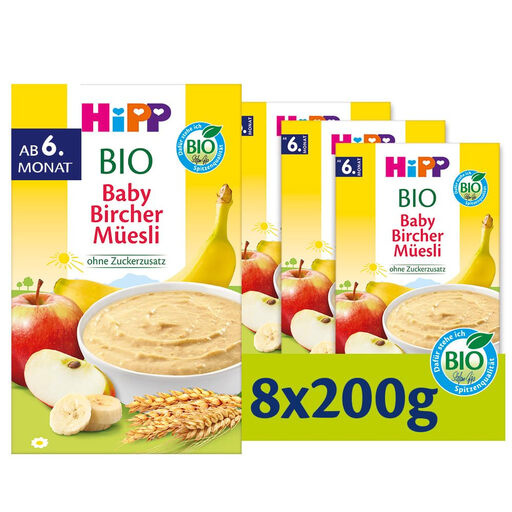
Why This Fits Their Persona: Ideal for starting on solid foods. The fine texture and mild organic ingredients are tailored to the sensitive digestive systems of infants.
According to the manufacturer, this product strictly avoids added sugar and sweetening concentrates. The sweetness comes exclusively from the fruits it contains.
Contains valuable whole grains and Vitamin B1. It can be flexibly prepared with water or formula milk.
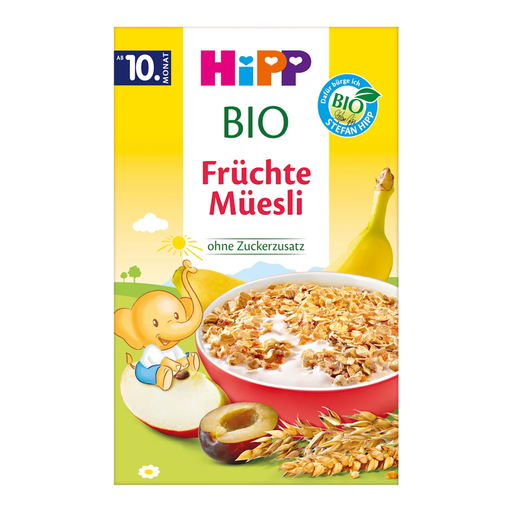
Why This Fits Their Persona: For toddlers who already have their first teeth and are learning to chew. The mix of fine grain and fruit pieces supports this developmental step.
This product also has no added sugar. The age-appropriate labelling ensures the texture is suitable for toddlers from 10 months and contains no hard, unsuitable pieces.
Consists of a high percentage of whole grains and is tailored to the nutritional needs of toddlers.
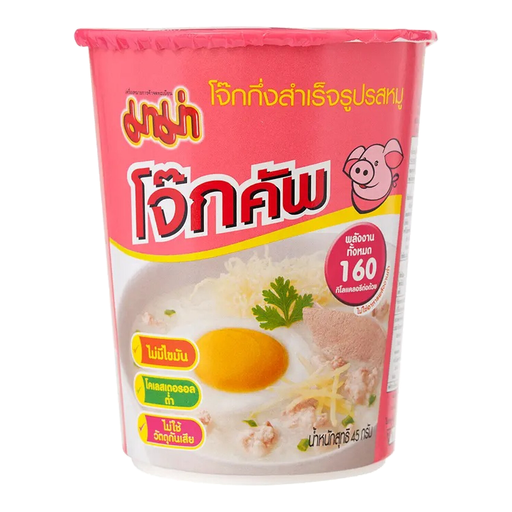
Why This Fits Their Persona: A quick, savoury alternative to classic sweet muesli. Ideal for a warming breakfast or a light meal at the office that's ready in minutes.
This product is clearly positioned as a savoury instant meal and doesn't try to appear as a low-sugar health cereal. The expectation here is different: quick and uncomplicated.
Extremely quick to prepare by just adding boiling water. It offers a flavourful change from fruity or sweet breakfast options.
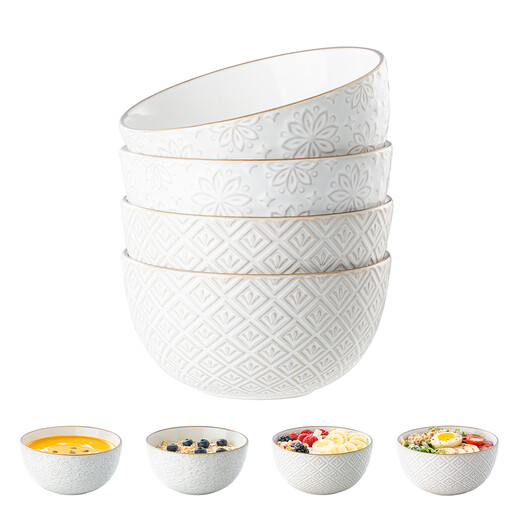
Why This Fits Their Persona: For anyone who wants to not just eat, but celebrate their muesli, porridge, or soup. The right tableware elevates any meal.
Instead of investing in an overpriced, trendy cereal of questionable quality, you're investing in durable, versatile tableware that enhances any type of cereal.
This cereal bowl made of ceramic is microwave, oven, and dishwasher safe. The set, with its different embossed patterns, is also stackable and space-saving.
We've compiled a complete, up-to-date list of products that fully meet these strict selection criteria and relevant regulations.
1. How can I really tell if a cereal has no added sugar? Read the ingredients list carefully. Look for terms like glucose syrup, fructose syrup, dextrose, barley malt extract, or fruit juice concentrate. A product with no added sugar will only list grains, fruits (in pieces, not as concentrate), nuts, and seeds. The "of which sugars" value in the nutrition table should be low compared to other products.
2. When can my baby start eating cereal? Special baby cereals or grain porridges can generally be introduced from the 6th month as part of weaning. Start with very finely ground, mild varieties prepared with water or infant formula. Always follow the age recommendation on the packaging and discuss the introduction of new foods with your paediatrician or midwife.
3. How do I prepare baby cereal or porridge correctly? Always follow the instructions on the package. Typically, the powder or flakes are mixed with boiled water that has cooled to about 50°C (122°F) or with prepared formula milk. Do not heat the porridge in the microwave, as this can lead to uneven heating and a risk of burns. Prepare each meal fresh and discard any leftovers.