
Lieferung heute & morgen

Qualitätsgarantie

Willkommens-Angebote freischalten: KOSTENLOSE Lieferung | Bis zu 80 % RABATT | Kostenlose 30-Tage-JoyPlus-Testphase
App herunterladen
Sensitive baby and children’s skin does not automatically need lots of products. Often, a manageable selection of cleanser, moisturiser, protective cream and sun protection is enough. The key is to ensure that each product is suitable for the child’s age, skin condition and intended use.
When buying baby and child care products, however, several common marketing claims can lead to poor choices. For example, a cream with “natural” ingredients may contain fragrances or essential oils. A high sun protection factor does not replace protective clothing. And a large pack is not always more economical if the product is intended for only a small area of skin.
Natural cosmetics may contain plant-based fragrances, essential oils or allergens that must be declared. For very sensitive skin, do not rely solely on terms such as “natural baby care” or “organic”. Check the complete INCI list and, where appropriate, choose a fragrance-free baby cream.
A rich nappy rash cream is designed for the nappy area, but is not necessarily suitable as an everyday facial moisturiser. Conversely, a lightweight children’s cream may not provide enough protection in the nappy area when exposed to moisture. The product type and intended area of use should match.
Even a product described as waterproof or particularly water-resistant must be applied sufficiently and regularly. Sweat, water, friction from clothing and towels can reduce the protective film. For babies and toddlers, shade, clothing and avoiding direct midday sun remain important measures.
Look for information such as “from birth”, “from six months” or “from two years”. Children’s sun cream is not automatically suitable for babies. When choosing sun protection for babies, check the specific age recommendation on the packaging and product page.
The intended area of use is also important:
If you notice skin changes such as persistent redness, swelling, itching or open areas, stop using the product and seek medical advice. Cosmetic products are not a substitute for treatment.
Glycerine, oils, shea butter, panthenol and hyaluronic acid are often used for dry skin. Ceramides, for example, are found in Toplan Children’s Moisturizing Cream. These details describe the composition, but do not constitute a claim that the product will treat a particular skin condition.
When choosing a product, pay particular attention to the following:
Before applying a product over a large area for the first time, testing it on a small patch may be sensible. The product packaging takes precedence, as formulations may change.
75 ml is suitable for facial care, the nappy area or a changing bag. 200 ml or 500 ml is more practical when a cream or cleansing milk is used regularly on the body. With sun protection, consider not only the price per pack but also the amount that needs to be applied. Applying too little reduces the level of protection stated on the packaging.
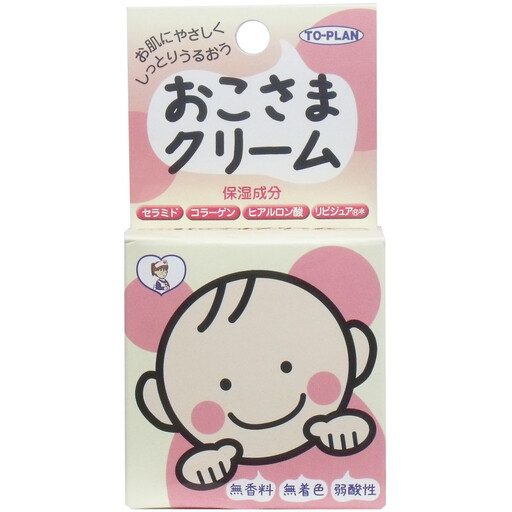
Why this product suits the profile: The compact 30 g size is suitable for travel, a changing bag or cautiously trying out a new moisturising cream.
The fragrance-free and colourant-free, mildly acidic formulation makes it easier to compare with heavily fragranced alternatives.
Designed for the face and body; product information lists ceramides, glycerine and sodium hyaluronate.
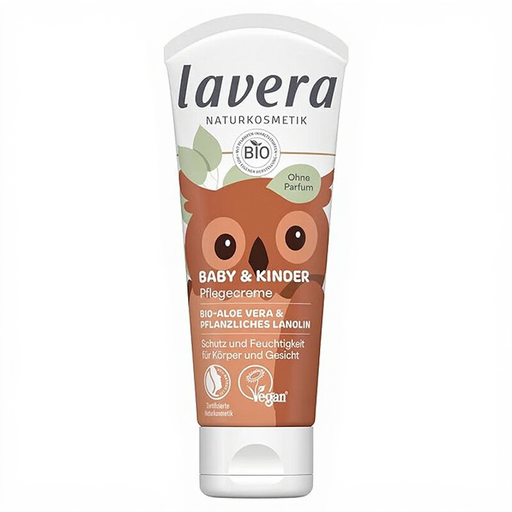
Why this product suits the profile: Suitable for families who value certified organic ingredients and a formula without mineral oils, parabens or preservatives.
The stated product features replace blanket claims about naturalness and make it easier to choose based on specific criteria.
75 ml contents; product description lists aloe vera, soya and grapeseed oil, as well as camomile extract.
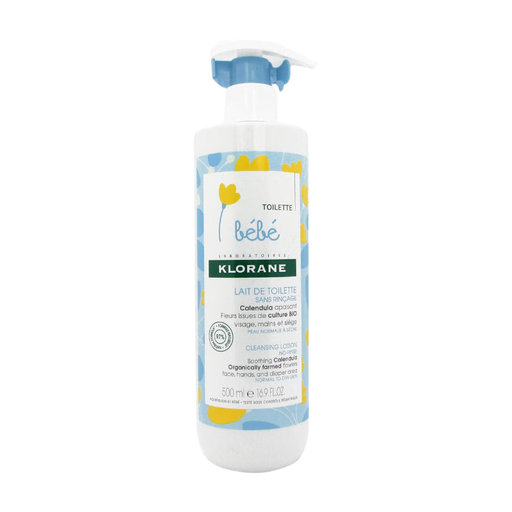
Why this product suits the profile: The 500 ml size is designed for regular cleansing of the face, body and nappy area as part of everyday family life.
The no-rinse formula reduces additional cleansing steps; however, the instructions regarding eye contact and skin tolerance should still be followed.
Milky texture, calendula and, according to the product information, 97% ingredients of natural origin.
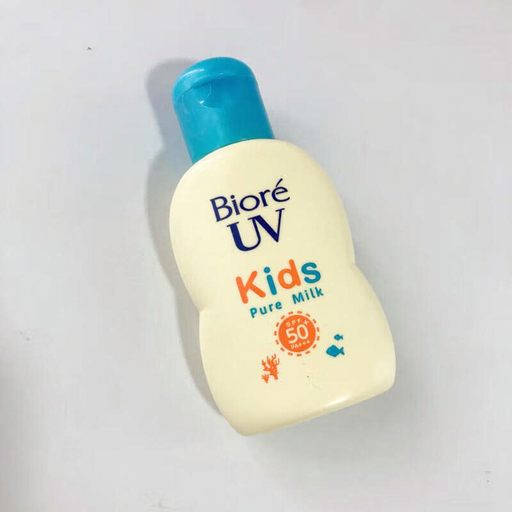
Why this product suits the profile: For families with children aged two and over who prefer a mineral UV filter and a compact 70 ml bottle for outdoor activities.
The stated age restriction helps prevent the product from being used for younger babies without checking its suitability.
According to the product information, mineral filters with SPF 50+ and PA+++; free from alcohol, parabens, fragrances and colourants.
We have put together a complete, regularly updated list of products that fully meet these strict selection criteria and the safety regulations applicable in the EU.
This depends on the skin type and the area of the body. A baby moisturiser containing glycerine, oils or other moisture-binding ingredients may be suitable for dry, intact skin. If there is redness, weeping skin or recurring problems, the cause should be investigated by a doctor.
Not every baby needs to be moisturised all over every day. Applying skincare after bathing or to visibly dry areas can be helpful. A thin layer is usually enough; the specific application should follow the product information and take individual tolerance into account.
Babies should be kept out of direct sunlight wherever possible. For older children, designated products such as children’s sun cream or sun protection sprays may be suitable, provided the recommended age, UV filters and usage instructions are appropriate. For infants below the stated age limit, seek medical advice before use.