
Lieferung heute & morgen

Qualitätsgarantie

Willkommens-Angebote freischalten: KOSTENLOSE Lieferung | Bis zu 80 % RABATT | Kostenlose 30-Tage-JoyPlus-Testphase
App herunterladen
Baby and children’s toys should be age-appropriate, well made and genuinely practical for everyday use. However, products such as musical toys for babies, learning toys for toddlers, soft toys and children’s rucksacks can vary considerably in their materials, size, noise levels and care requirements. An eye-catching design alone won’t tell you whether a product is right for a child’s development or your home.
An activity cube, musical board or children’s drum kit with lots of buttons may seem versatile. What matters, though, is whether the child can use the features independently and whether they’re suitable for the recommended age. Too much stimulation can be confusing, particularly for younger children.
So look out for:
Markings such as CE or EN 71 provide important information about compliance and the product. However, they don’t replace checks by parents or grandparents. Before buying and using a toy, check that any small parts, battery compartments, seams or moving elements are suitable for the child’s age.
For example, a remote-controlled construction vehicle may be intended for children aged three and over. A soft toy with small embroidered or attached parts should also be used in line with the information on the packaging. Supervision is especially important when babies are using toys.
A cute product can be impractical in everyday life if it’s difficult to clean, takes up too much space or isn’t the right size for the child. For a children’s rucksack, consider its dimensions, adjustable straps and capacity. For a children’s balance bike, important factors include the seat height, handlebar position, weight and tyre type.
For babies from 0 to around 12 months, choose lightweight items that are easy to grasp and have straightforward features. A baby music box, simple sensory toy or activity toy for tummy time can engage different senses without requiring the child to follow complex sequences.
Toddlers aged around 1 to 3 typically enjoy pressing, turning, sorting and copying. A Montessori toy or activity cube should therefore have sturdy controls and be easy to use without lengthy explanations. For children up to age 6, a balance bike, children’s drum kit or remote-controlled vehicle may also be suitable, depending on their interests.
Check the material information, rounded edges and the stability of any feet or handles. ABS is often listed in the product details for plastic toys. Information such as ‘BPA-free’ should be treated as a manufacturer’s claim and checked against the safety information for the specific product.
For soft toys, check the seams, eyes, decorations and removable accessories. The Princess Mimi soft toy Bunny Nelly, for example, comes with a small soft rucksack; according to the product information, it contains small parts and is not suitable for children under three.
Musical toys for babies and toddlers should ideally have a volume control. For electronic toys, also check the battery type, what’s included and how to access the battery compartment. Several of the musical toys described are supplied without batteries.
Cleaning also affects how practical a toy is for everyday use:
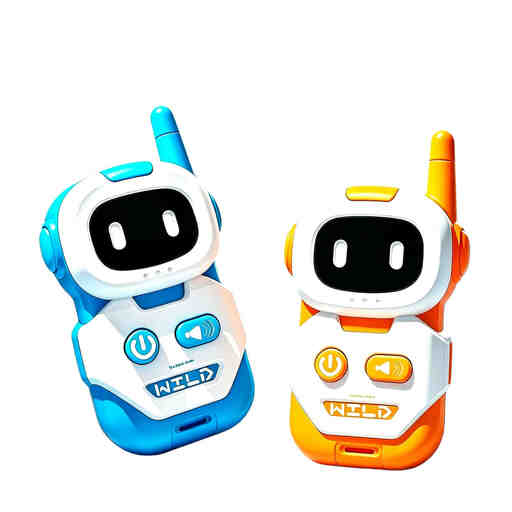
Why this product suits this need: This compact play centre combines drum pads, lights, animal sounds, and shape and colour sorting for children in the specified age range.
The product details specify the age range, BPA-free ABS and rounded edges. This makes it easier to check the age recommendation and material before you buy.
Four play zones in one product; the product information lists shapes, colours, lights and sounds.
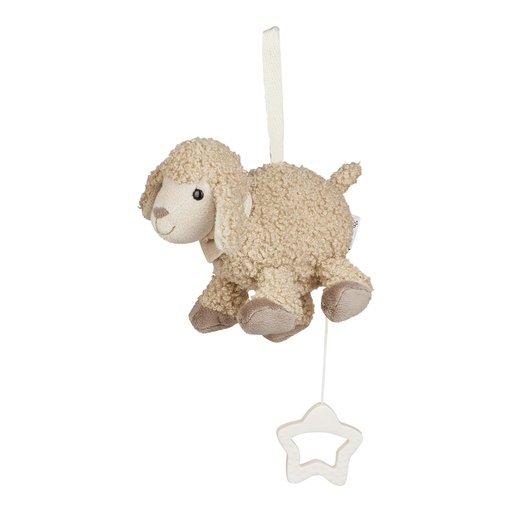
Why this product suits this need: According to the product description, this baby music box is suitable from birth and has a removable musical mechanism and fastening ribbons.
The mechanism can be removed before washing the fabric part. This makes care and material checks more straightforward.
Synthetic material, machine washable at 40 °C according to the product information, and a mechanical music box that needs no batteries.
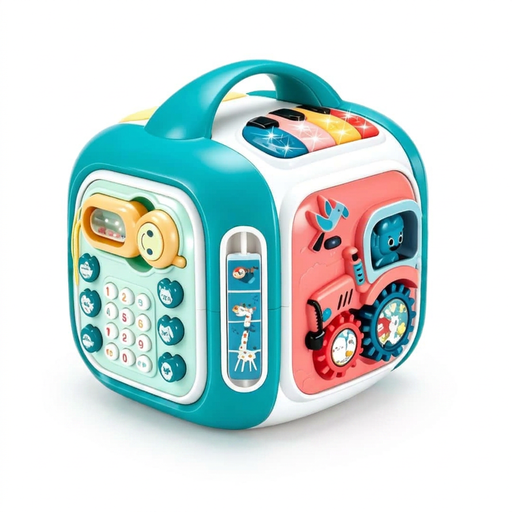
Why this product suits this need: According to the product details, this cube is designed for children aged 1 to 3 and combines eight play zones with a carry handle.
Its compact design brings several features together, so you don’t need to store multiple large toys separately.
Piano, guitar, pretend phone, gears and other controls; according to the product description, it’s made from BPA-free ABS with rounded edges.

Why this product suits this need: According to the product details, this balance bike is designed for children aged 2 to 6 and has an adjustable seat and handlebars.
The adjustable features make it easier to check the fit before buying and as your child grows.
12-inch model, puncture-proof tyres according to the product name, and an adjustable seat and handlebars.
When choosing a gift for a baby or toddler, think about how it will be used:
We’ve put together a complete, regularly updated list of products that meet these strict selection criteria and fully comply with the safety regulations applicable in the EU.
First, compare the manufacturer’s age recommendation with the child’s abilities. Then check for small parts, weight, volume, edges and ease of use. The age recommendation is a useful guide, but it doesn’t replace adult supervision.
How long a toy lasts depends on its materials, construction, how often it’s used and the child’s stage of development. Adjustable products such as balance bikes can fit for longer. With electronic learning toys, check the battery compartment, buttons and speakers regularly.
Battery-powered musical toys have the extra cost of replacement batteries. So check what’s included, the battery size required and whether the toy has a volume control. Mechanical products such as a traditional baby music box don’t need batteries; on some models, the musical mechanism can be removed for cleaning.