
Lieferung heute & morgen

Qualitätsgarantie

Willkommens-Angebote freischalten: KOSTENLOSE Lieferung | Bis zu 80 % RABATT | Kostenlose 30-Tage-JoyPlus-Testphase
App herunterladen
Choosing the first baby cot is a major decision for expectant parents. The market offers a wealth of options, but not all of them deliver on their promises. As your Joybuy Product Recommendation Officer, I'm here to help you see through the marketing hype and make an informed decision based on safety, functionality, and durability.
A lot of well-intentioned advice and tempting offers can quickly lead to a poor purchase. Pay close attention to these three points to avoid disappointment and unnecessary expense.
To make a safe and practical choice, you should focus on objective features. These three parameters are crucial for the safety and utility of a baby cot.
The most important certification for a cot is compliance with the European safety standard DIN EN 716. This standard ensures that the cot meets fundamental safety requirements:
The size of the sleeping surface determines how long the cot can be used.
A truly functional baby cot adapts to your child's developmental stages.
Based on these objective criteria, we have identified several models that are suitable for different requirements and life stages.
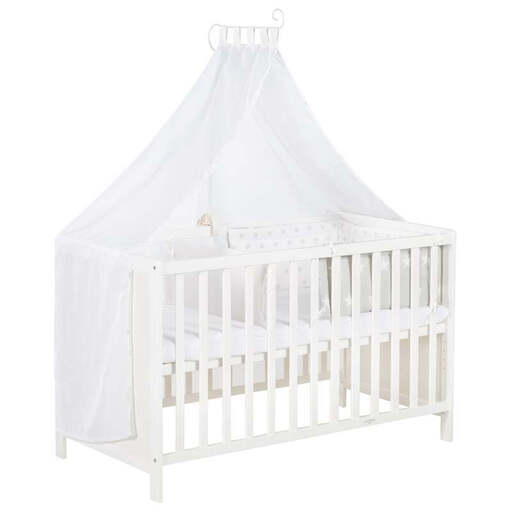
Why it's a match: Ideal for parents looking for an all-in-one solution for the first few years. It combines the functions of a bedside sleeper, a cot, and a toddler bed in one package.
This model comes as a complete set, including a slatted frame, mattress, and even a cot bumper. This avoids the trap of hidden additional costs.
The 6-level height adjustment allows for precise alignment with the parents' bed (22 cm to 42 cm). The 5 removable bars support the child's independence.
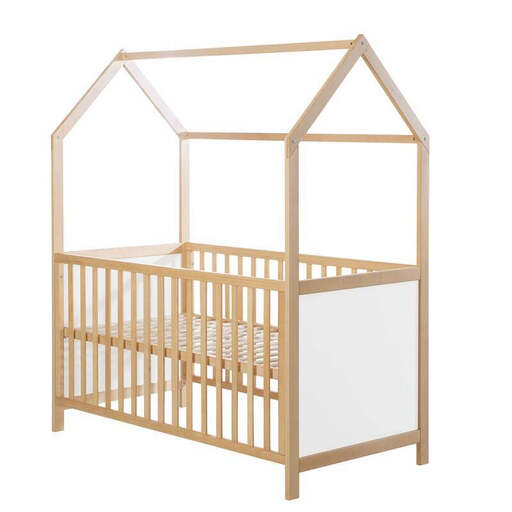
Why it's a match: Perfect for families seeking a single, durable sleeping solution from infancy to primary school age. The house bed design creates a cosy atmosphere.
This cot bypasses the "grows-with-your-child" myth with its robust construction and large 70x140 cm sleeping surface, which allows for use up to around 8 years of age (conversion sides sold separately).
The 3-level height adjustment and 3 removable bars ensure safety at every stage of growth. The FSC certification confirms the responsible sourcing of the wood.
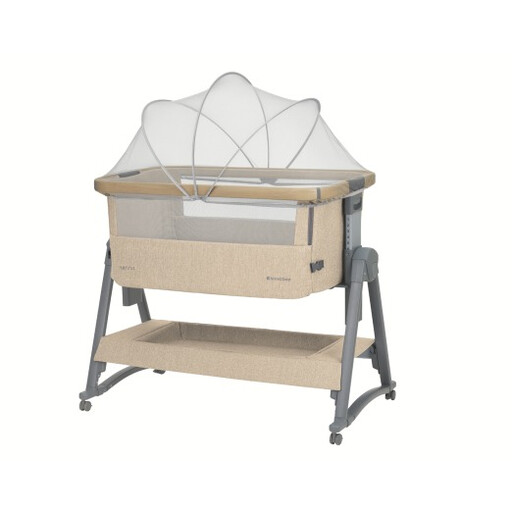
Why it's a match: Specifically designed for the newborn phase (0-6 months) to offer the baby closeness and security right next to the parents' bed. Ideal for night-time feeding and soothing.
This cot avoids the trap of inadequate height adjustment with its 7-level settings. This allows it to be attached flush and securely to almost any parents' bed.
Additional features like the anti-reflux position and the lockable rocking function offer practical added value. The mesh sides ensure optimal air circulation.
We have compiled a complete, up-to-date list of products that fully meet these strict selection criteria and German safety regulations.
The ideal baby mattress is firm, breathable, and fits the cot frame perfectly with no gaps. A firm surface is important to minimise the risk of the baby's face sinking into it. When considering a complete cot bundle, ensure the included mattress meets these criteria. Often, purchasing a higher-quality mattress separately is a worthwhile investment in safety.
The timing for adjusting the cot depends on your child's motor development.
The DIN EN 716 standard is a European safety regulation specifically for cots and travel cots for domestic use. It defines technical requirements to minimise the most common accident risks. These include the stability of the cot, the spacing of the bars to prevent head entrapment, the strength of the cot base, and the use of non-toxic, child-safe materials and finishes. A cot that complies with this standard offers a certified level of baseline safety.