
Lieferung heute & morgen

Qualitätsgarantie

Willkommens-Angebote freischalten: KOSTENLOSE Lieferung | Bis zu 80 % RABATT | Kostenlose 30-Tage-JoyPlus-Testphase
App herunterladen
Choosing the right baby cream can be a challenge for parents. The market is vast, and marketing claims are often exaggerated. However, the delicate skin of infants and toddlers requires targeted care that is free from unnecessary irritants. Many products that seem convincing at first glance turn out to be impractical or unsuitable in daily use. Before you make a decision, it's important to know the most common pitfalls.
To make an informed decision, you should focus on objective criteria rather than marketing messages. Two factors are crucial: the ingredients and the specific area of application.
The INCI list on the back of the product is your most important source of information. Look for proven, low-irritant ingredients and avoid potentially problematic substances.
Not every cream is suitable for every part of the body. Differentiating by purpose helps to provide the skin with optimal care.
Here are some product recommendations tailored to the different requirements of parents and children.
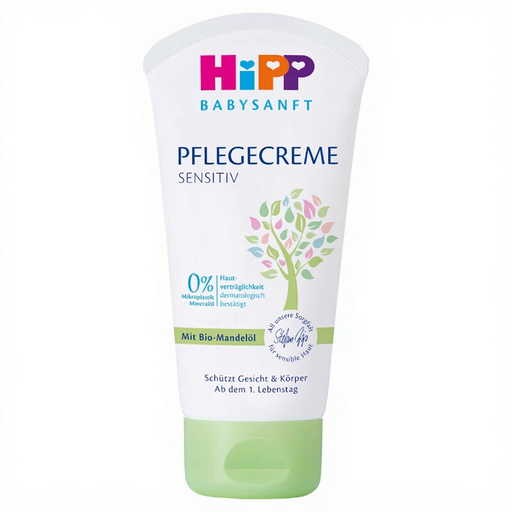
Why it's a great fit: Ideal for parents looking for a reliable and straightforward moisturiser for daily use on the face and body. The formula is tailored to the needs of sensitive skin and comes from an established German brand.
The cream is free from mineral oil and microplastics. It focuses on proven nourishing ingredients like organic almond oil and panthenol, rather than relying on vague "natural" marketing claims.
The texture absorbs quickly without leaving a greasy film. According to the manufacturer, it is also suitable for the care of skin prone to eczema.
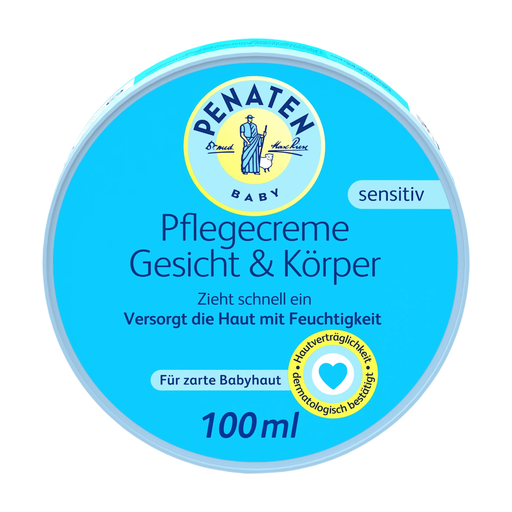
Why it's a great fit: Developed for newborns and babies with extremely sensitive skin. The minimalist formula is designed to minimise the risk of allergies and provide intense moisture.
This cream consistently avoids the fragrance trap, as it is formulated completely without perfume, dyes, and alcohol. The focus is purely on its nourishing and protective function.
Its hypoallergenic composition makes it a safe choice for your newborn essentials. It increases the skin's moisture content and provides long-lasting protection.
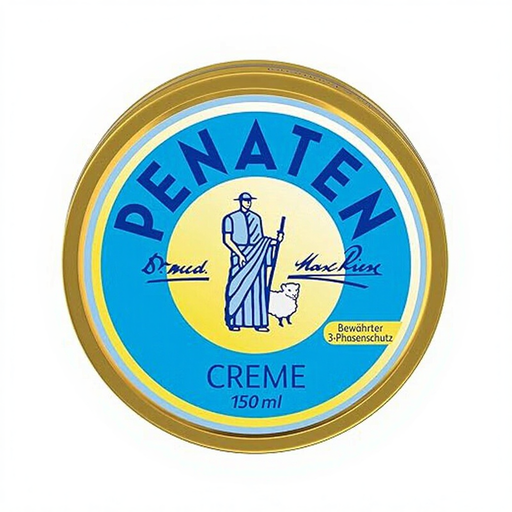
Why it's a great fit: A classic for the specific purpose of diaper rash protection. This cream is the right choice when reliable protection against wetness and soothing redness in the diaper area are the top priorities.
It debunks the "all-in-one" myth by being a highly specialised product. Its thick, paste-like texture is intentionally designed for the barrier function in the diaper area and not for light facial care.
The 3-phase protection with zinc oxide, lanolin, and panthenol creates a visible and long-lasting protective barrier, soothes irritated skin, and helps redness to subside.
We've compiled a complete, up-to-date list of products that fully meet these strict selection criteria and German safety regulations.
The frequency of application depends on the baby's skin condition and the type of cream. A light moisturiser can be applied daily after bathing or as needed on dry patches. A cream can protect the face before going out into cold, dry air. A diaper rash cream should be applied to clean, dry skin in the diaper area at every diaper change to ensure a continuous protective barrier.
Look for labels such as "for sensitive skin," "hypoallergenic," and especially "fragrance-free" or "unscented." A short, understandable ingredient list is often a good sign. Products that avoid known irritants like alcohol, dyes, and certain preservatives are preferable.
This is generally not recommended. Diaper rash creams are very rich in fats and zinc. Their thick, occlusive texture is designed to form a barrier against moisture. On the face, such a texture can clog pores and is not suitable for daily care. For the face, use a lighter baby face cream specifically designed for that purpose.