
Lieferung heute & morgen

Qualitätsgarantie

Willkommens-Angebote freischalten: KOSTENLOSE Lieferung | Bis zu 80 % RABATT | Kostenlose 30-Tage-JoyPlus-Testphase
App herunterladen
Choosing the right baby cream can be a challenge for parents. The market is filled with products that advertise promises like "extra gentle" or "purely natural." However, not every cream delivers on its promises, and some common marketing claims can be misleading. Before you make a decision, it's important to understand the most common pitfalls to make an informed choice for your child's sensitive skin.
Many well-intentioned purchases turn out to be unsuitable in hindsight. This is often due to clever marketing that distracts from the product's actual properties.
To find the right baby care cream, you should focus on objective and verifiable criteria. The following two points will help you separate the good from the bad.
Not every baby cream is suitable for every purpose. The formulation must match the skin's specific needs.
The International Nomenclature of Cosmetic Ingredients (INCI) lists all components in descending order of their concentration. Pay attention to the following points:
Based on these criteria, we have compiled a few products for different requirement profiles.
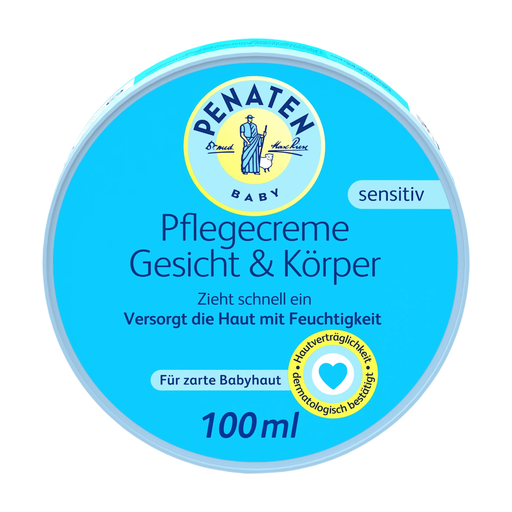
Why this product is a good fit: Specifically developed for the ultra-sensitive skin of newborns, this cream provides basic, moisturising care for the face and body, making it an ideal all-rounder for your initial baby supplies.
It bypasses the "free-from" fallacy by focusing on a deliberately minimalist formulation. The absence of perfume, dyes, and alcohol is a targeted measure to minimise allergy risks.
The formula is designed to demonstrably increase the skin's moisture content, keeping it soft and healthy.
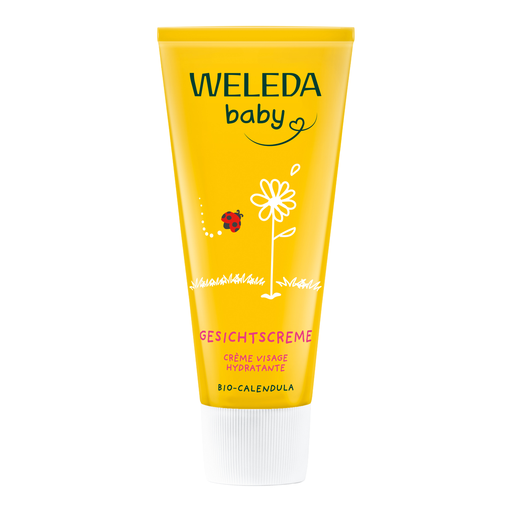
Why this product is a good fit: Ideal for parents who value certified natural cosmetics and ingredients from organic farming. The Weleda Calendula Cream is a classic for gentle facial care.
Avoids the "100% natural" trap through transparency. Weleda relies on recognised seals (e.g., NATRUE), which prescribe strict criteria for ingredients and manufacturing processes.
The formula with organic almond oil, lanolin, and organic calendula extract protects against dryness and supports the skin's natural functions. According to the manufacturer, it is microbiome-friendly.
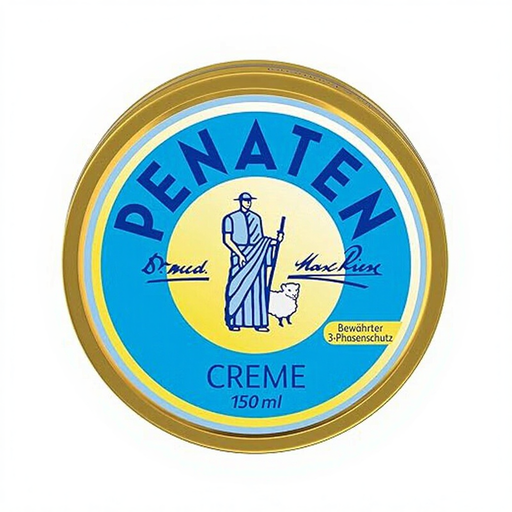
Why this product is a good fit: A product proven for generations, specifically designed as a baby diaper cream. Its thick consistency forms a reliable barrier against moisture and irritation in the diaper area.
This product focuses on its core function. It doesn't try to be an all-in-one solution but delivers a highly effective remedy for a specific problem: protecting the skin in the diaper area.
According to the manufacturer, its three-phase protection with zinc oxide, lanolin, and panthenol soothes irritated skin, helps reduce redness, and leaves a long-lasting, visible protective barrier.
We have compiled a complete, up-to-date list of products that fully meet these strict selection criteria and German safety regulations.
1. How often should you apply baby cream? The frequency of application depends on the skin's condition and the product type. A light baby care cream can be applied daily after bathing or as needed on dry spots. A diaper rash cream is typically applied to clean, dry skin in the diaper area at every diaper change to maintain a constant protective barrier.
2. How do I recognise a good diaper rash cream? An effective diaper rash cream is characterised by a rich, water-repellent texture. The most important ingredient is often zinc oxide, as it forms a physical barrier and has anti-inflammatory properties. Other beneficial ingredients include lanolin (wool wax) and panthenol, which provide additional care and soothe the skin.
3. Is a fragrance-free baby cream always the better choice? For newborns and babies with very sensitive or allergy-prone skin, a fragrance-free baby cream is generally recommended. Fragrances, including natural ones, are among the most common triggers for contact allergies. For non-sensitive skin and older children, products with a subtle, low-allergen scent may be fine, but the fragrance-free option is always the safer choice.